As you start to explore wines or build out your own wine bar at home, it is crucial that you have the basics down. Developing a deeper understanding of this “Wine 101” will further your appreciation of that next bottle that you purchase. It will also help you look at each pour just a little bit differently.
What is Wine?
Wine is an alcoholic beverage made from freshly harvested grapes. Why grapes? Grapes have an abundance of natural sugars and acids (and tannins), making them perfect for making wine. Wine consists of water, ethyl alcohol, acids (tartaric is the most prevalent), tannins, flavor and aroma compounds, and carbohydrates, vitamins, and minerals.
How is Wine Made?
Wine is made by converting the sugars in the grapes into alcohol with the aid of yeasts. Grapes are harvested and crushed to release the juice, then yeast is added (or the yeasts that are present on the grape skins may be used – ambient yeasts), and fermentation begins.
Fermentation is the process of converting the natural sugars inside the grapes into alcohol – yeasts eat the sugars and convert them into alcohol and C02.
White Wines are made by removing the skins from the juice BEFORE fermentation.
Red Wines are made by leaving the skins with the juice during fermentation – the color comes from the skins.
Rosé Wines are made when the skins have a short contact with the juice BEFORE fermentation – then they are removed and the fermentation proceeds as for white wine.
Where Does Wine Come From?
Wine is made all over the world in places where grapes grow. Most of the grapes used for making wines are made from the Vitis Vinifera family of grapes, but there are some notable exceptions made from other families of grapes.
How Should I Taste Wine?
Begin by pouring some wine
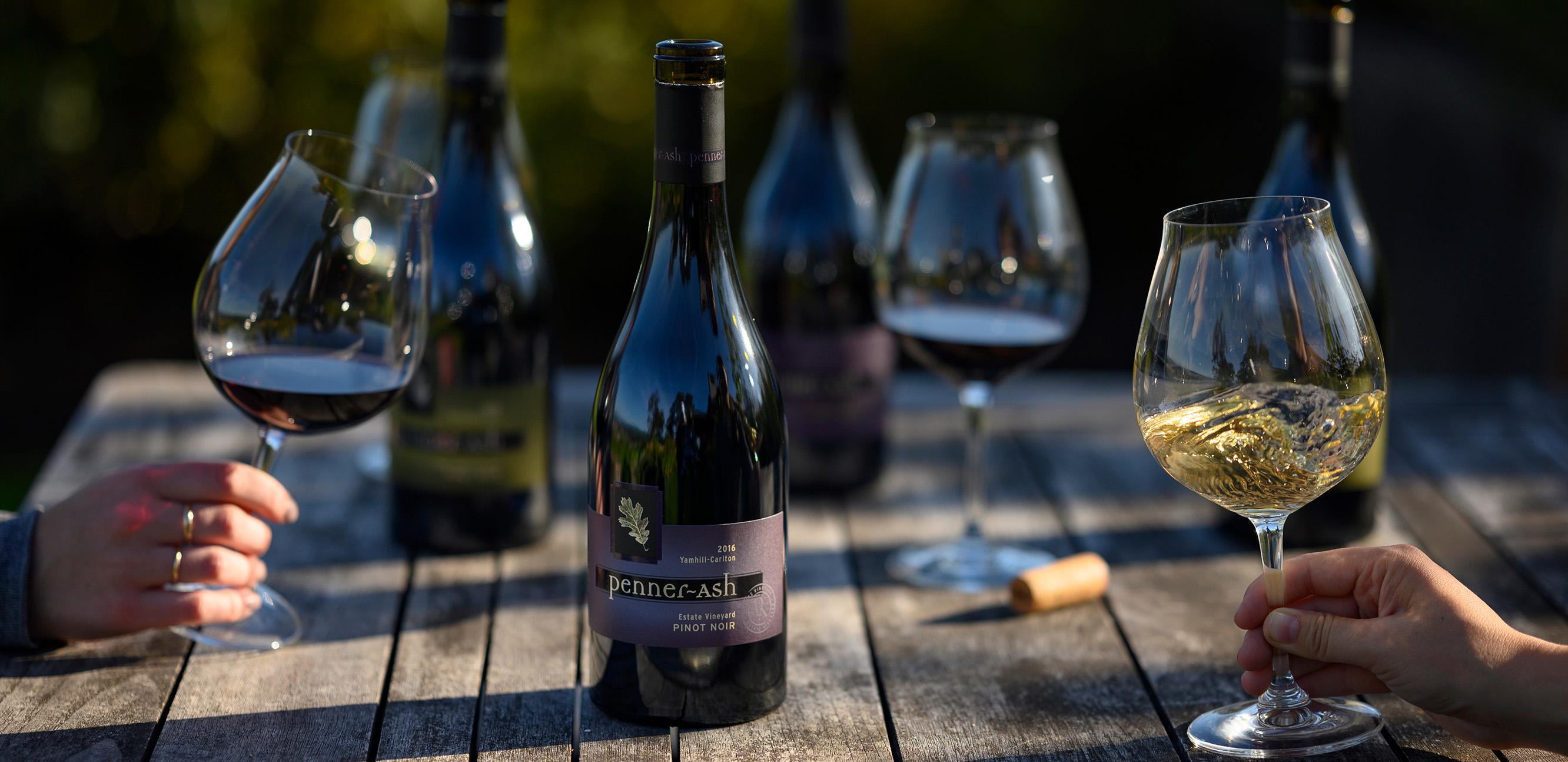
Take a look at the wine by holding it at a 45 angle against a white background. Look carefully at the color: White, rose, or red. What does the color tell you about the wine? White wines deepen in color as they age and become more golden. Red wines get paler in color as they age and become more orange.
Swirl the wine in the glass
This will help to release the aromatic compounds. What do you smell? Is the wine neutral, with little aroma, or highly aromatic, with lots of aromas? Does it smell youthful (like fruit) or aged (the fruit has faded into something different)? Try this: Close your eyes for a moment and really focus on the aromas.
Common fruit descriptors for White Wines:
Citrus fruits: Lemon, lime, grapefruit, orange
Tree fruits: Apples, pears
Stone fruits: Peaches, apricots, nectarines
Tropical fruits: pineapple, banana, mango
Non-fruit: Floral, Herbal, vegetal, spice
Earth/Mineral: Stones, chalk, mushrooms, slate, petrol
Common winemaking aromas for White Wines:
Butter – comes from Malolactic Fermentation
Biscuit, bread, toast, yeast – comes from lees contact
Vanilla, sweet baking spices, butterscotch, toffee – comes from oak barrel fermentation and/or oak barrel aging
Common fruit descriptors for Red Wines:
Tree fruits: Red apple, red pear
Stone or pitted fruits: Plums, cherries
Berries: Raspberry, strawberry, blackberry, black currant, red currants
Non-fruit: Floral, Herbal, vegetal, spice,
Mineral/Earth: Leafy, mushroom, cedar, gravel, stones
Common winemaking aromas for Red Wines:
Butter – comes from Malolactic Fermentation
Vanilla, dill, sweet baking spices, cocoa, coffee – comes from oak barrel maturation
Common descriptors for minerals:
Stony
Chalky
Taste the wine
How does the wine feel in your mouth? This is when we start to talk about the BODY of the wine.
What is that body like? Is it like skim milk? Whole milk? Cream?
What is the texture of the wine? Is it thick and viscous? Thin and watery? Silky, rough, harsh, smooth?
Is it acidic? Does the wine make your mouth water?
How much tannin is there (in red wine)? Does the tannin dry your mouth out or is there a light sensation of astringency?
What do you taste?
Fruit – similar as to the smell for white wines and red wines
What is the fruit like? Fresh, dried, baked, tart, sweet?
Winemaking flavors – ML, lees aging, oak fermentation or maturation?
Earth/Mineral aromas and flavors
As you continue to explore the flavor, here are some additional prompts:
Is the wine balanced?
Does the wine have complexity? Specifically, does it seem like there are layers of flavors or is it somewhat simple?
How long is the finish? Short, Medium, or Long? Does the flavor linger on the tongue or is it gone quickly? This can be an indicator of quality.
What do you taste on the finish?
Because every pour will offer you new findings and experiences, be sure to return to some of these terms and questions when you need help defining what you’re tasting.
What Wine Should I Pair with my Food?
Let’s dig into the rules of food pairing with wine. There are no “rules” – only some basic guidelines:
Rule #1 - Drink what you like! Don’t put pressure on yourself to pick the “perfect” wine
Acidic foods love acidic wines
Sweet foods love sweeter wines (remember, there are many different levels of sweetness – slightly sweet, moderately sweet, very sweet)
Protein loves tannin!
Fat is flavor! Acid and tannin can balance a fatty dish
Salty foods love acidic wines – this includes shellfish
Powerful flavors need powerful wines, just as delicate flavors need delicate wines
Spicy foods need to be paired with lower alcohol wines – high alcohol can make spice seem hotter
Complex foods need complex wines
Earthy flavored foods like earthy flavored wines
Time to Pick up that Next Bottle of Wine
Now that you have the basics down, it is time to select your next bottle of wine. And as you search through the various types and profiles, just know that you can’t make a mistake in picking wine. Every purchase will teach you something new, help you develop your palate and define your favorites. As you make that next pour, just be sure to also have a few foods available so you can reflect on how each one impacts your tasting experience. Enjoy!