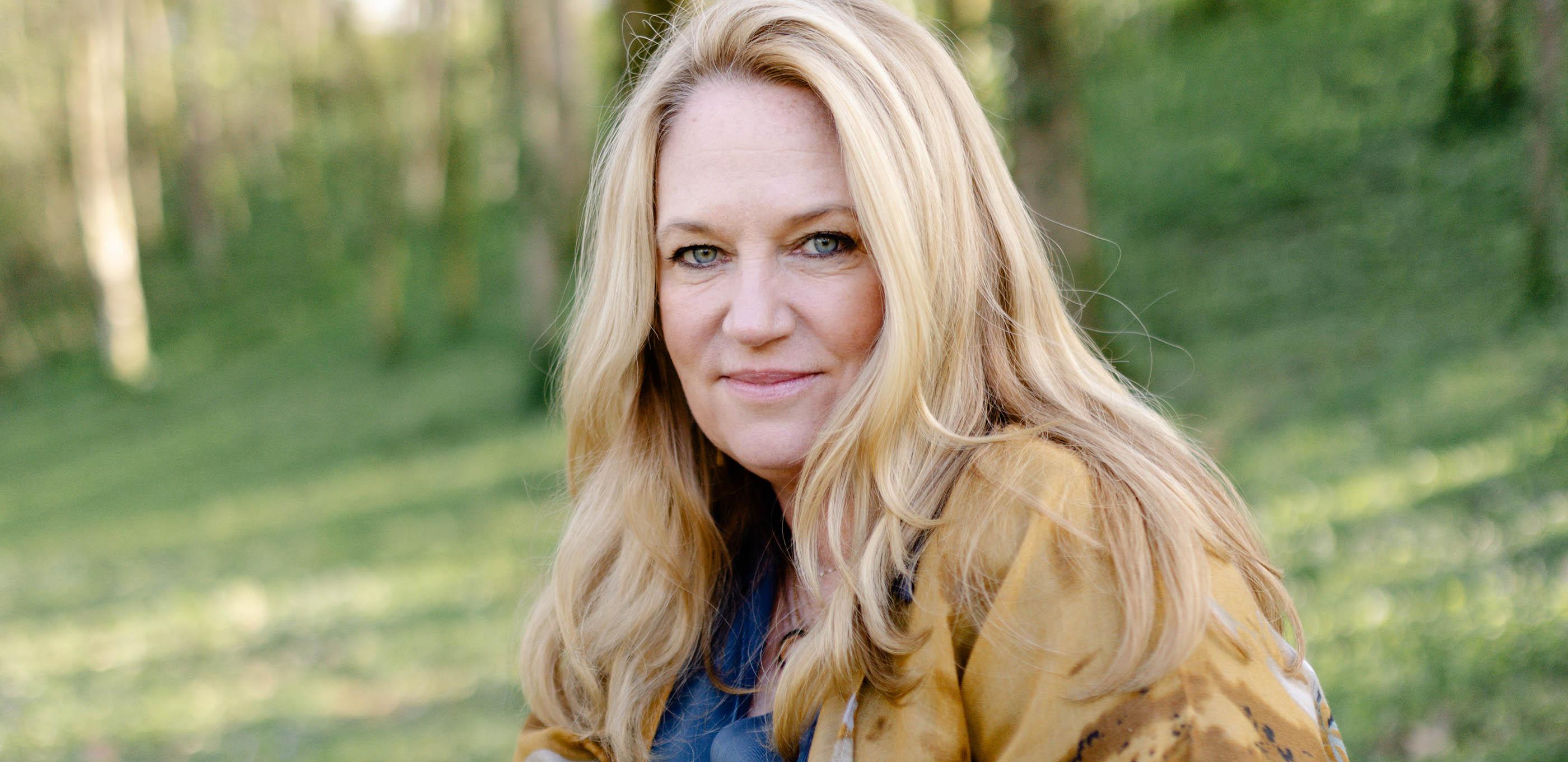
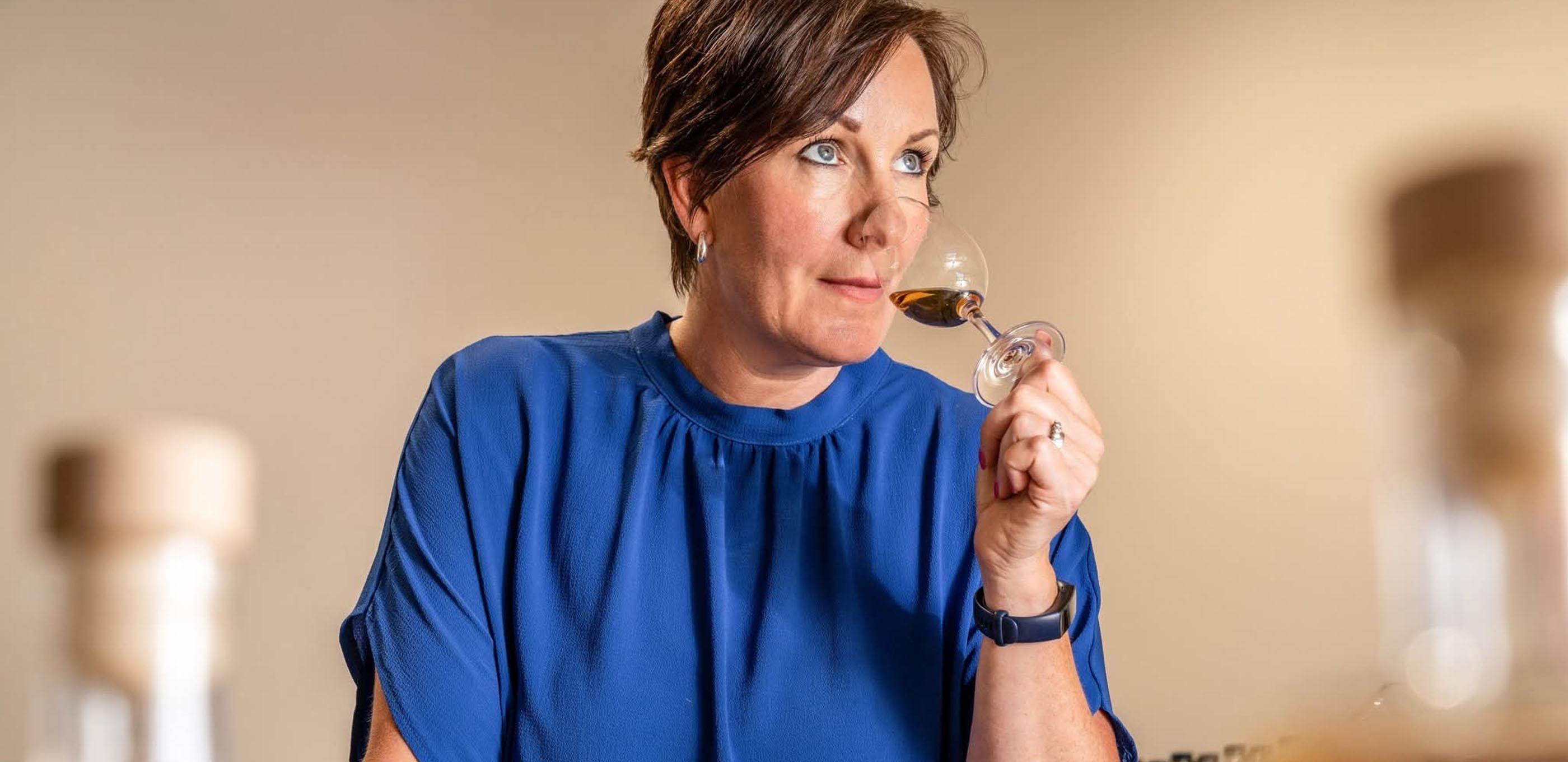
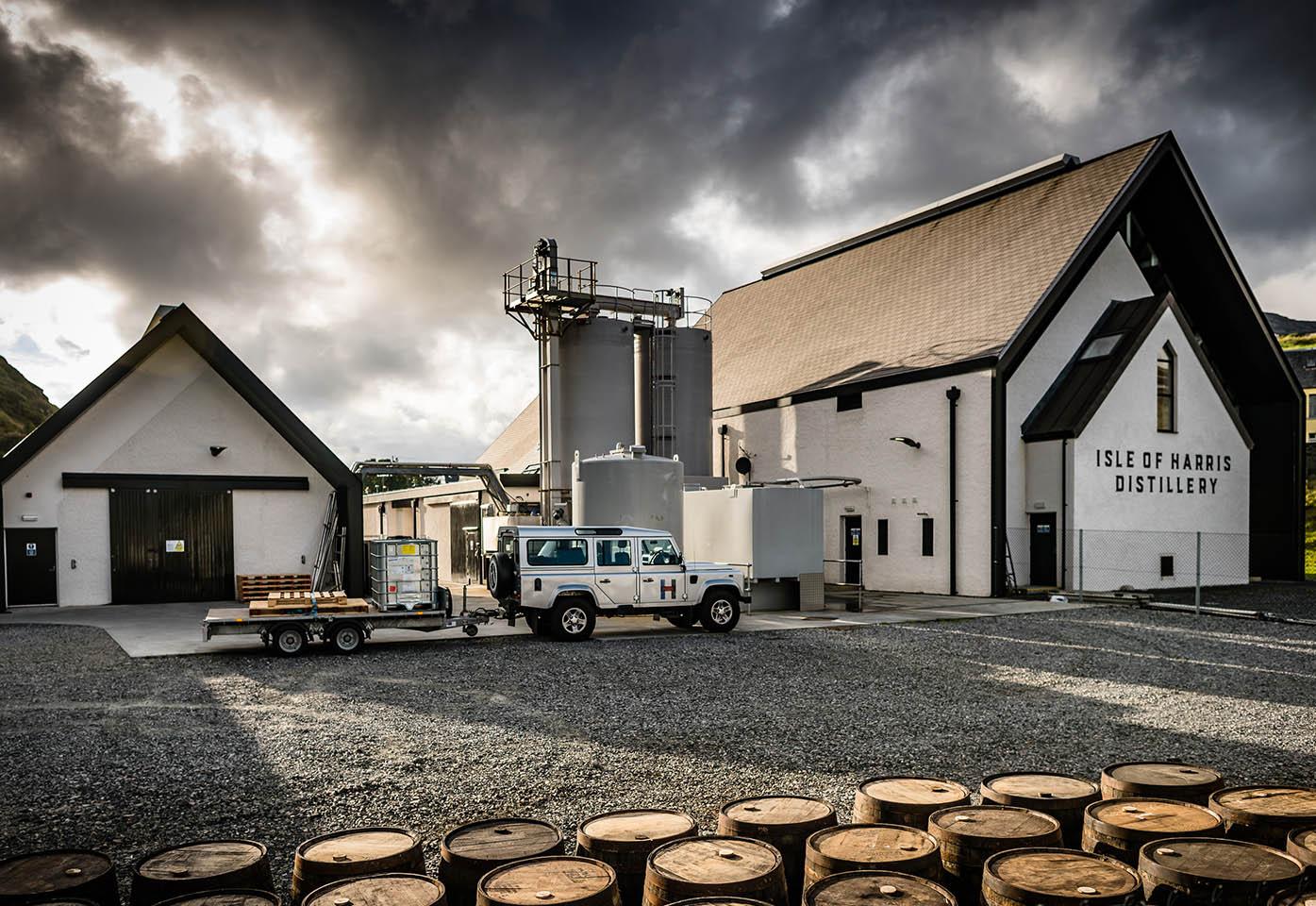
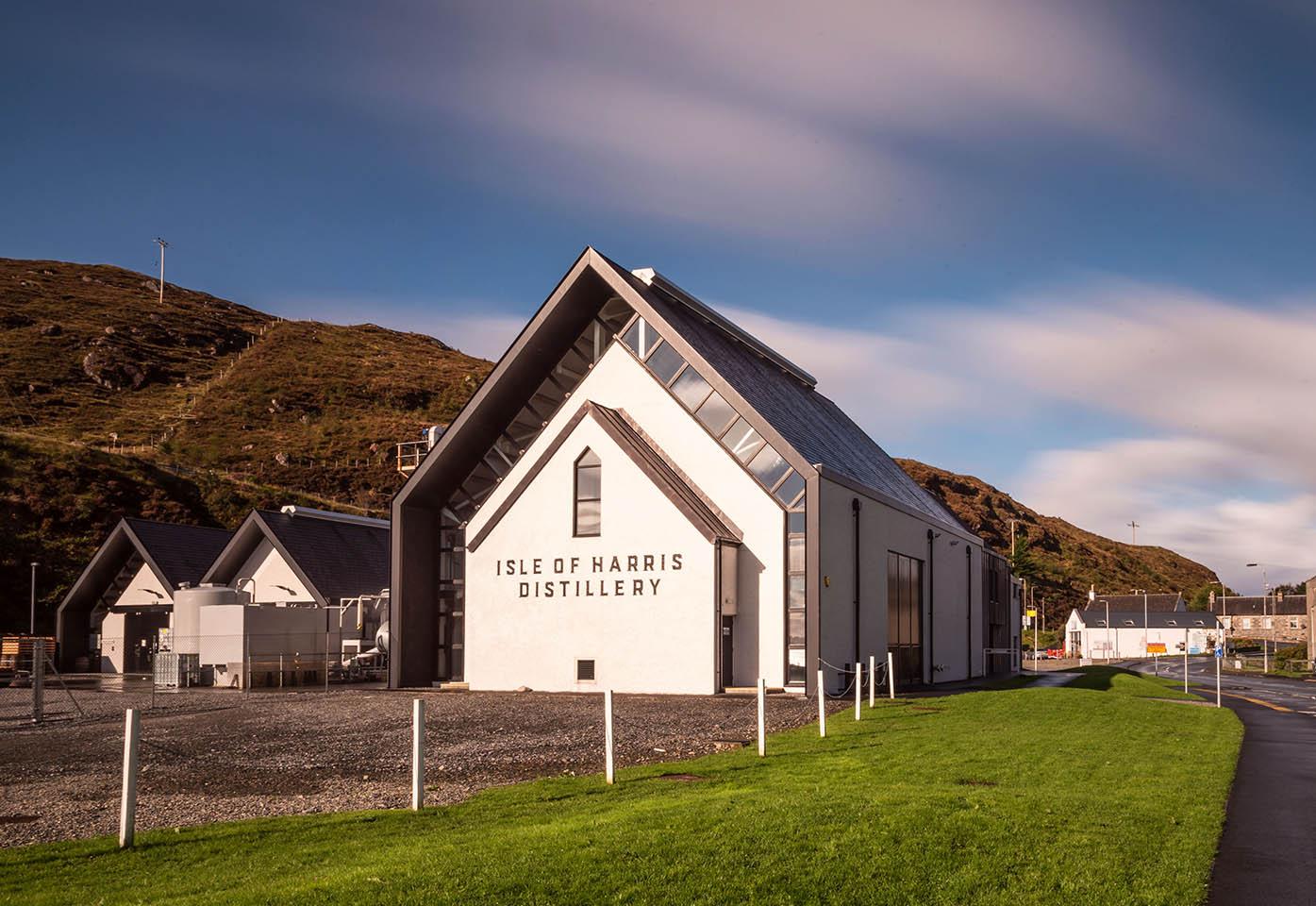
Can you imagine what it would be like being a part of the beginnings of a new distillery? And more than that, one that is the very first in your community, or in this case your island? As the Isle of Harris Distillery established its roots, it has reshaped an economy, brought new unique jobs and offered locals a new vision for what is to come. Shona Macleod, Blender for the Isle of Harris Distillery has been there since day one, having started in guest services and navigating a path that has led to now guiding the future of this spirit. We sat down with Shona to discover the details behind her journey, how she has grown with this still upstart whisky and gin producer, and what their vision is for the future.
What initially inspired your direction into spirits?
I think it was likely more accidental rather than planned. My background is in hospitality, so I've obviously had a natural love of food, drink, cooking and all of that stuff. But I really didn't know anything about the production of gin or whisky in those early days, because we're the very first distillery on our island.
I lived in Glasgow for a number of years, and I had moved back home more for a lifestyle move than for my career. Then the distillery came along, and I thought I really needed to get involved there – it was so exciting and something completely new and different here on the island. My job here initially was Guest Services Manager, focused on looking after all of the hospitality, tours, the cafe, shop sales, and those kinds of activities. But because we were a very small team from the start, we were all checked for our sensory skills. Half of us passed and half didn't, and those of us who passed became our own internal sensory panel. I just absolutely loved it. From then on, I realized I had a good sense of smell and more so, the ability to describe it and dig into your sensory memory to identify what you're smelling, where it came from, and what it is like. It turned out that I was really quite good at that, so they let me carry on.
In the early days, obviously we were all new to it, but we had a couple of consultants helping us along the way, and one of them, in particular, Dr. Gordon Steele; his focus was on flavor and quality, and I did a lot of work with him on training courses and things. It really is about just getting into the spirit all the time, smelling it, and becoming so familiar with it that it can stand out a mile next to others.
So, yes, it was sort of accidental, I guess. But the nature of the distillery was to create jobs locally, and those skills didn't exist here at that time, so we did have to learn from the beginning to do everything from making the spirits to signing them off for bottling at the end of the day, and that whole journey everywhere in between. As we moved closer to releasing the Hearach whisky in 2023, we needed to rely less on external people to help and be able to handle it ourselves, internally. At that point, the company did look for somebody to take that on; I threw my hat in the ring and that's what I do now.
What did it look like to step into that role?
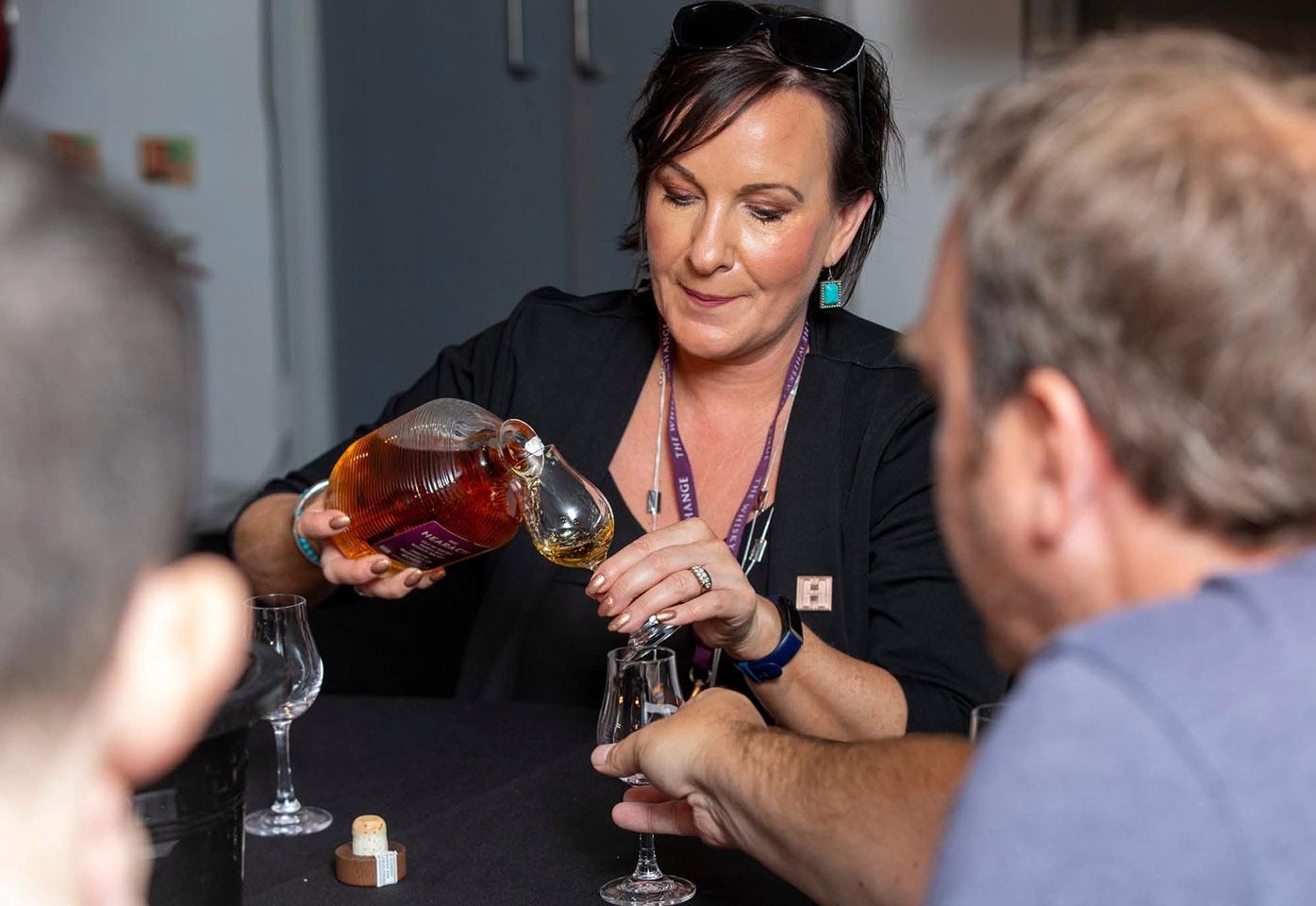
It really was a natural progression because of the nature of our business, especially at that time. We had to do things internally, learn and grow, because I've been involved since day one. I started with the company a year before we even opened the distillery, so we were all living and breathing it every day. I personally was involved in pretty much a little bit of everything around the distillery from the very start, when the stills were being put in, and when we started production. So I was essentially involved with it all already, and I already felt a great sense of ownership of every part of the distillery. While it wasn't the typical situation of moving from one job to another, it just organically happened.
What has it meant to be a part of the start of the distillery, and how has that impact been for the area?
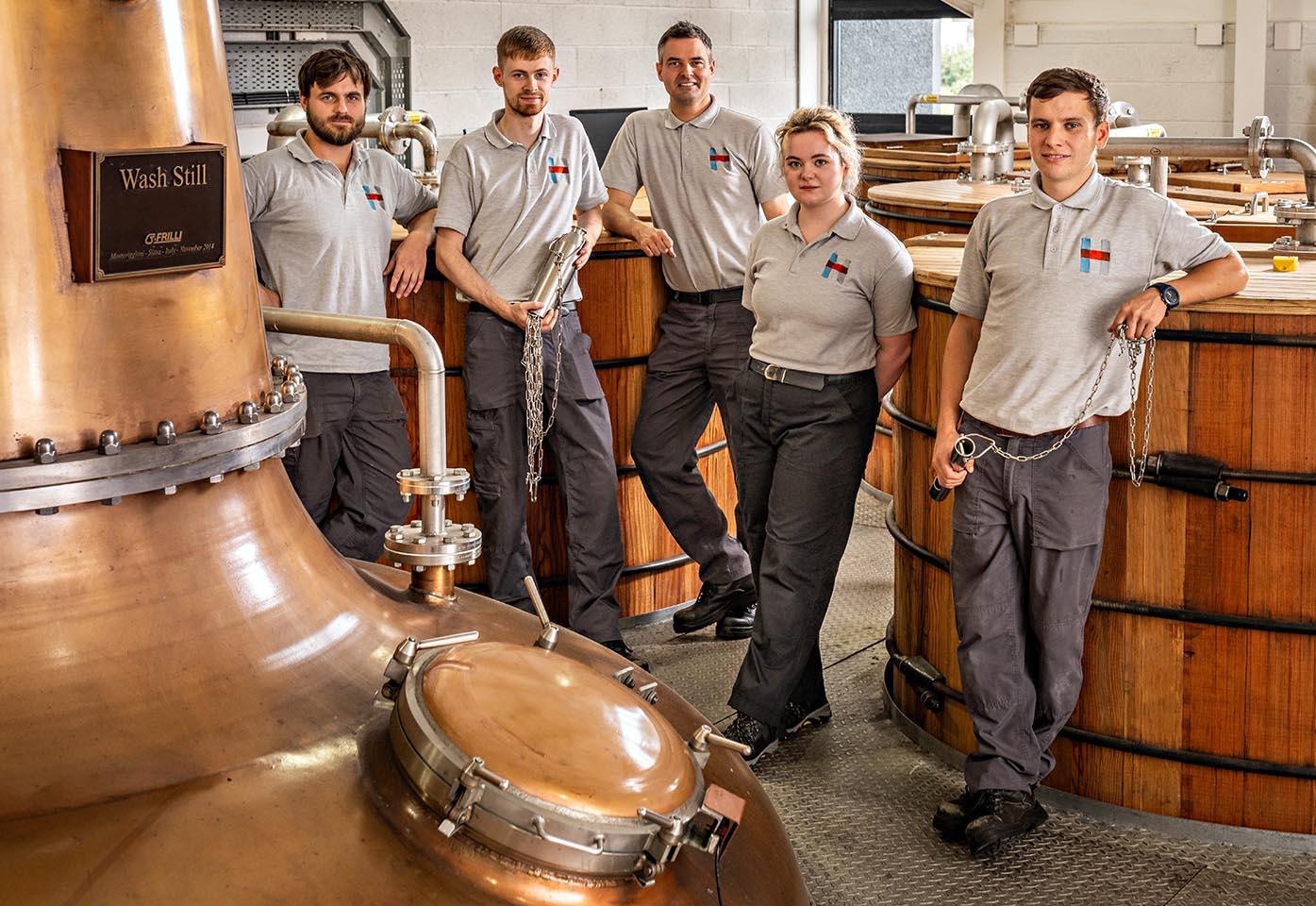
It has been amazing. Lots of jobs were created by bringing a completely new industry here, and because we do everything here, there were suddenly lots of different roles under one roof – everything from selling whiskey and gin, to warehousing, to marketing, accounts, all sorts of hospitality, and so many different roles available for local people to fill. And like I said, most of those roles were quite new here. Because the purpose was to create employment locally, we didn't helicopter people in who already knew what they were doing. It was exciting for lots of different people and we were able to have many young folks that came to work with us directly from school.
Once they started in one job, most of the people here have moved into other roles, and as the company grew we learned more about what we were doing; it was a really special time. We just had our 10-Year anniversary in September, and since we opened, we’ve had over 700,000 people through the door in those short years, which is quite a lot of visitors to such a small place. That, in itself, tells a story of the sort of impact economically and to other businesses in the area. Of course, not everyone comes here to visit us; we've always been a tourist destination, but the fact that we kept people coming through the door is really interesting.
As people discover the brand, what do they tend to find most interesting?
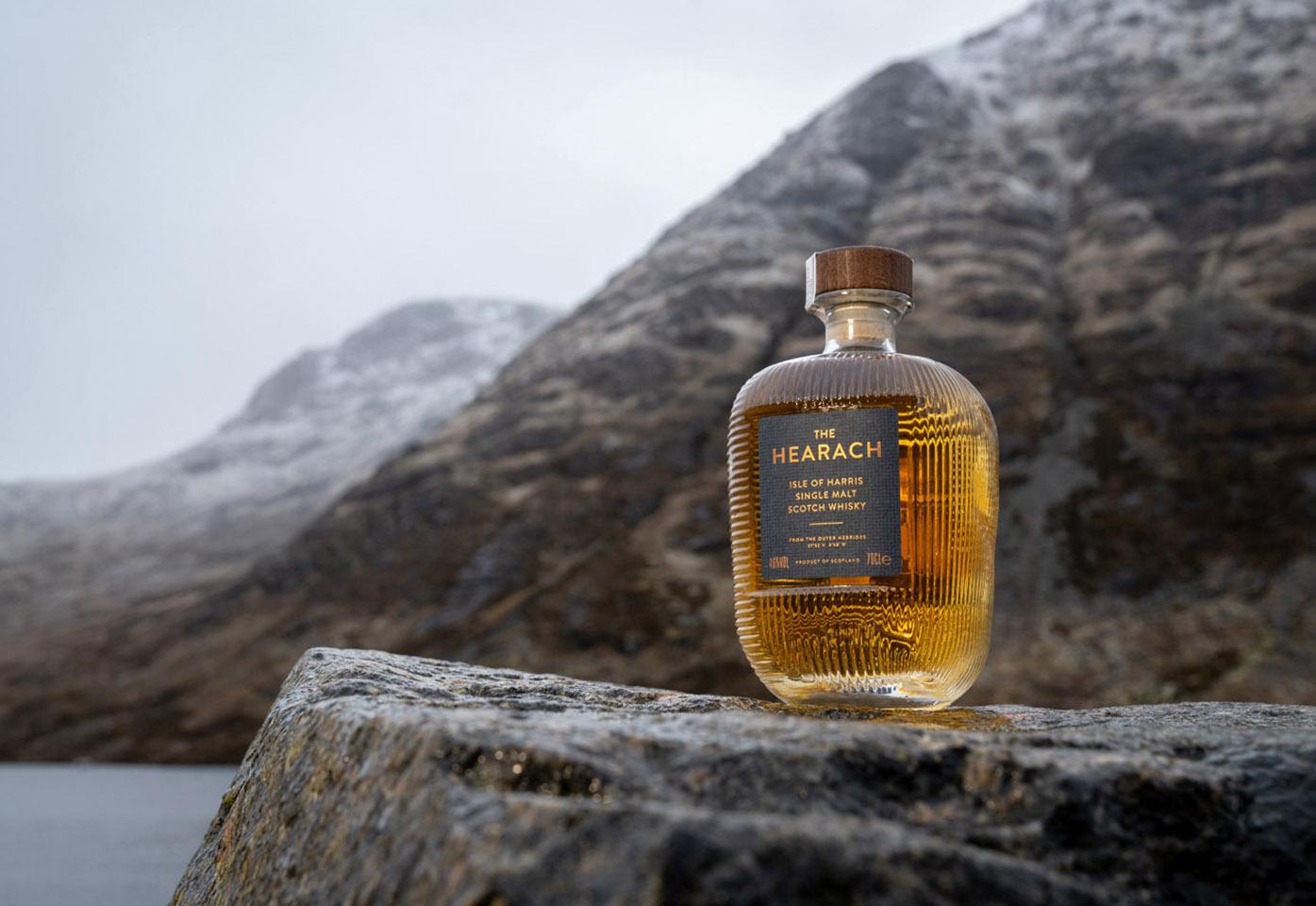
I think it's about people. When we share any social posts, or any journals, it is the ones that involve people that have such a great reaction, so much more than than any other kind of content we might have. People are really interested in people's stories, and discovering who exactly is actually making the spirits – the ones that work here, day in, day out. These are real people living on a small island that is about as far away from the major whisky producing regions in Scotland while still being a part of Scotland – it’s an iconic Island about 350 miles west of Speyside, 350 miles north of Islay, and probably about 400 miles to the capital (Edinburgh), surrounded by water, and with just under 2,000 people living here on Harris.
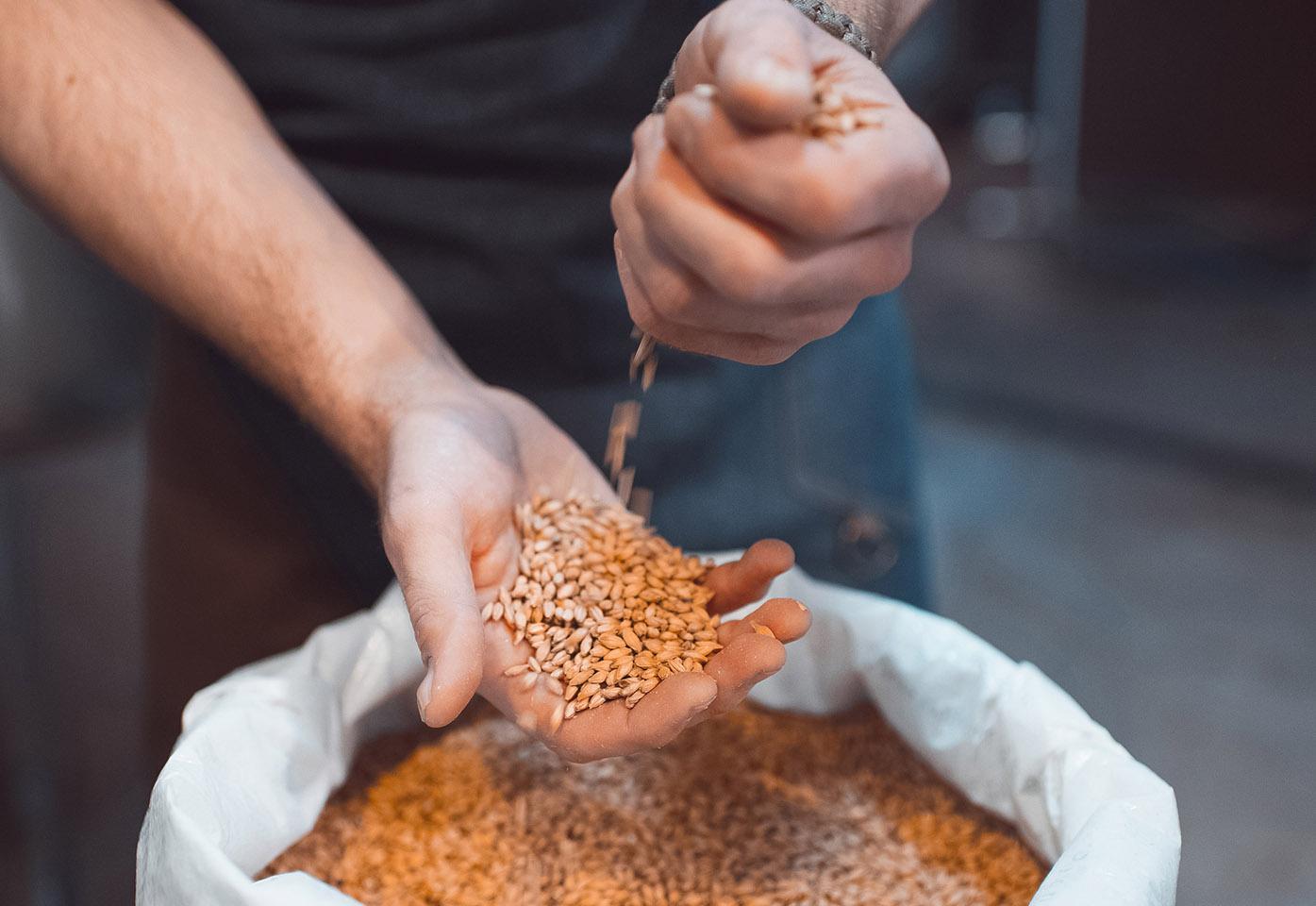
The fact that it's the only distillery on Harris, our people and this island place are truly the main pins of our story, if you like. It has become so normal for us now, but 15 years ago, I don't think anybody could have imagined a distillery here. If you take the time to explore our imagery on social media and our site, you’ll quickly notice that it's basically like the moon here; it's very rocky, things don't tend to grow here, and there's certainly no farmland. There's no barley growing, you know. So that's really why there weren't traditionally any commercial ventures like this, so it's just so exciting to have that vision brought to life.
What makes the island such a great destination?
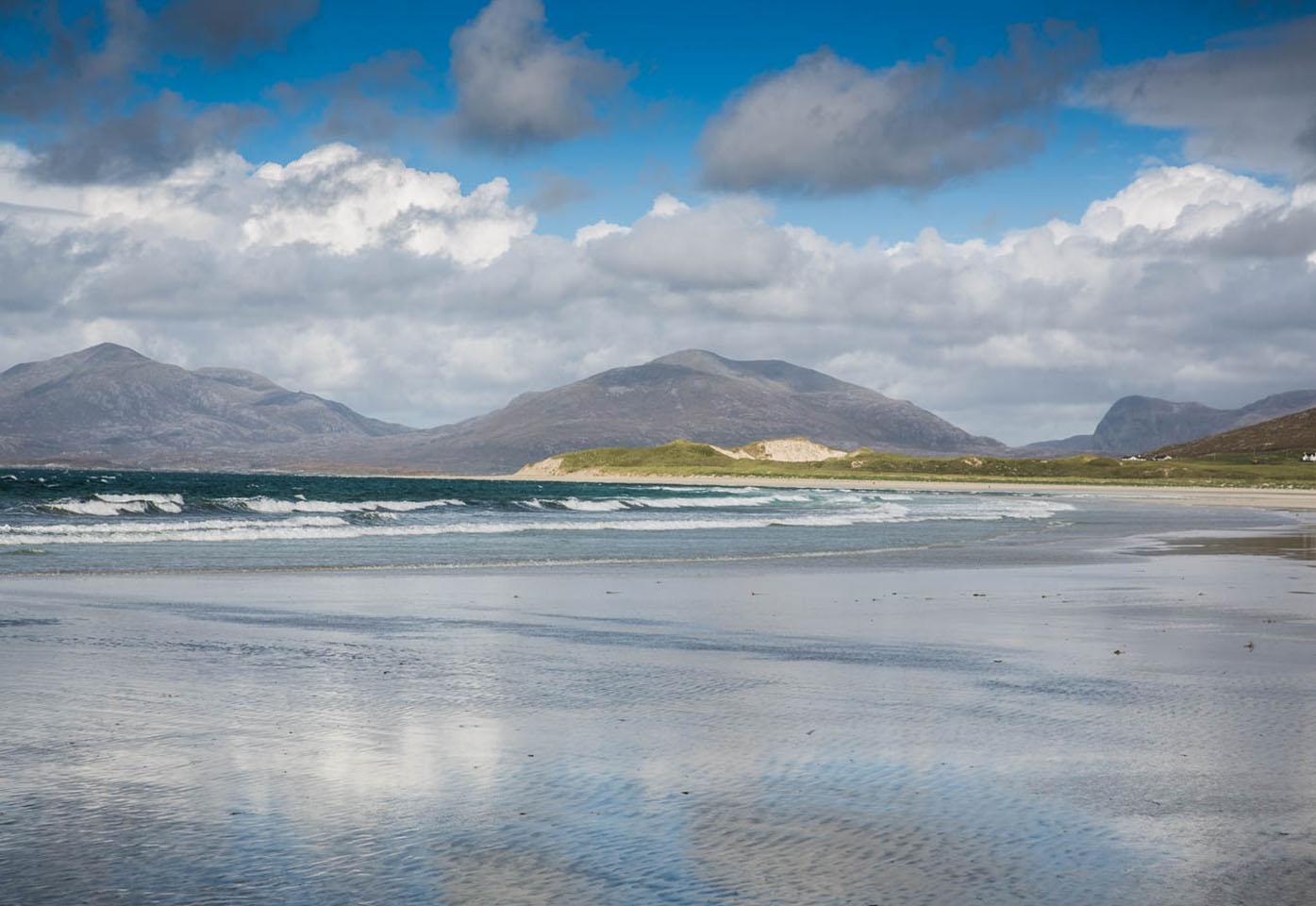
We get a lot of visitors, and the Outer Hebrides as a whole have something close to 300,000 plus visitors per year in a short period of time, typically between April to September. The Hebrides has always been a destination for tourists, but it’s much harder work to get here than it is to get to some of the Inner Hebrides, such as Islay, Mull, and obviously the Isle of Skye is really famous. Lots of people know Skye but they don't know Harris, or they don't know the Outer Hebrides, because it's just that bit further to go. But for people who make the journey, it's really a special place to see and people to meet.
There are two ways to get to Harris, really, and swimming is not one of them. You can get a puddle jumper from Glasgow or Edinburgh. While it would be just a 40 minute flight, it is quite expensive, actually. Or you get the ferry, and you've got two options: you can go over the Skye bridge through Skye which is quite a big island, and then get the ferry from Uig to Tarbert. And as you're coming into the ferry terminal, the distillery is right in front of you.
The one thing that probably the world knows about Harris is that it's where the famous Harris tweed is woven. Americans will know Harris tweed, possibly because of Americans going to play golf in Scotland, and they'll come back quite often with a Harris tweed jacket, possibly with leather elbow patches. In another sphere, Harris tweed is known amongst the fashionistas as well. Vivian Westwood, Christian Dior, and Ralph Lauren were all big fans of Harris tweed, and that sort of brought the image of Harris tweed way up to be the king of tweeds. There are very strict rules on how it's made, and it can only be made on the island, in a weaver's home, and the Harris tweed authority has to inspect it and approve of it. Our whisky bottle represents the Harris tweed as a nod to this weaving tradition.
What does your typical day look like?
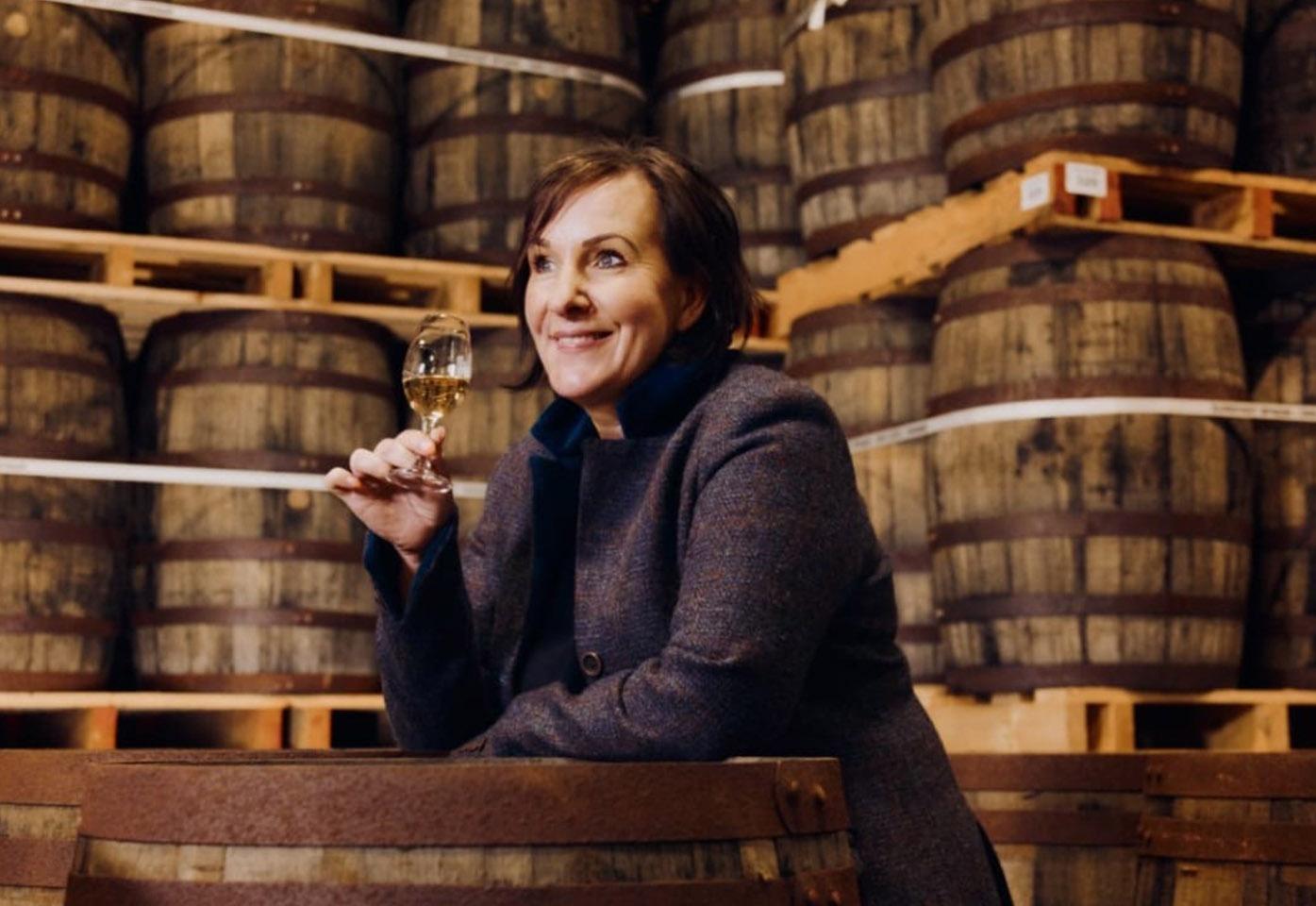
My day can be very varied, because I look after different things. I also look after individually owned casks – we have 740 individuals who own casks with us, so that's quite a lot of work managing the cask flow, especially when it comes to the customers wanting to disgorge and bottle their cask to get it out into the world. I spend a lot of time at our warehouse, which is two miles from Tarbert; when we fill our casks, here they go on a lorry to the warehouse, and they lie there silently, patiently until they're ready to come back in the other direction and be disgorged for making a whisky. So it's quite a varied role. A lot of it is to do with that cask management and the supporting warehouse records. I also work really more closely with the production team than I do with anyone else, although my role kind of bridges between the sales and marketing team as well. And of course, part of my time is spent going out to do tastings or traveling to bring the Isle of Harris to new customers. But day to day, it's very much hands on.
What is your approach to blending?
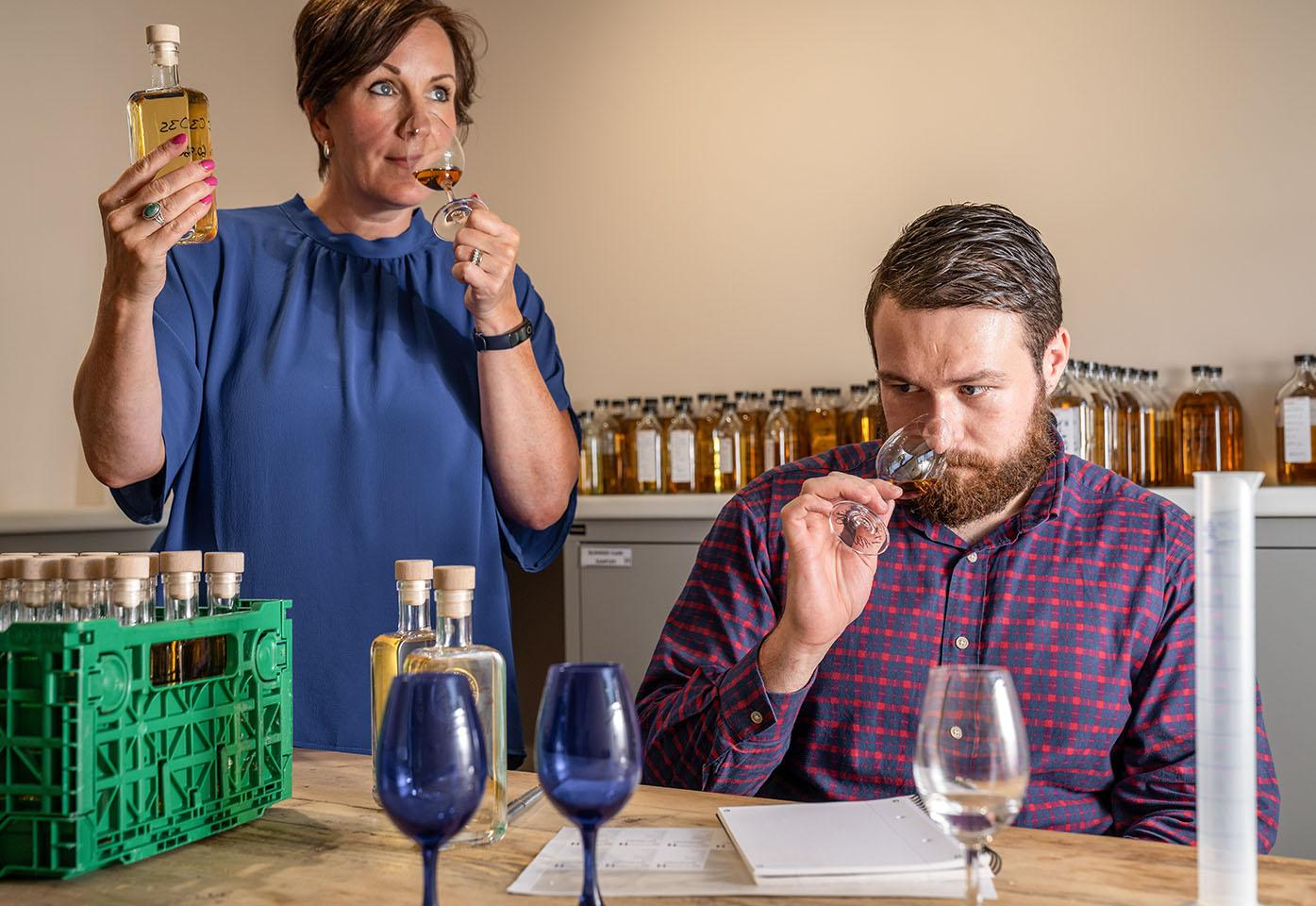
Because we're so young, we don't have a vast portfolio of casks, because we're actively concentrating on building stock for the Hearach as it is currently. If you think of it like a box of chocolates, mine is quite small. If I worked for a much bigger, older distillery, it would be entirely different; we'd be dealing with hundreds of samples all the time, so errors are quite small. Aside from blending, quite a large part of my role is selecting single casts for sales, and everything that goes with that, from start to finish, from selecting one to sharing with customers, and sometimes hosting them on site. I host a lot of visits at the warehouse with people. But essentially I'm involved from when the distillers make the new mix spirits throughout the entire process. Every week we perform a sensory check and sign it off that it's okay to be put in the casks. Other things that readers might not consider as requiring my involvement are things like water analysis and making sure everything's safe and everything's above board. There are loads of different things that are done every day and every week that the public wouldn't really think about.
If I was to write my job description now, it would be pretty varied. And because I'm the longest serving member of staff now, I'm kind of like everybody's mum. Sometimes, I'm a therapist, social worker, sometimes organizing events. I'm not sitting here blending whisky all of the time. To date, we've the Hearach, the Oloroso matured release, and a French dessert wine cask Hearach of Château Biac release, which we will have more of in the future. We've also developed two products for global travel retail this year. The Whisky is essentially a version of the Herach at a higher abv with a little more Sherry called Croft strength, and a Gin that's called tidal strength, which is exactly the same recipe because it is the best gin in the world, sold at a higher ABV. And we released a Decade Edition to celebrate ten years of distilling just recently. There are lots of exciting things in the pipeline for the future.
What are your thoughts on the bottle design and how that captures the brand?
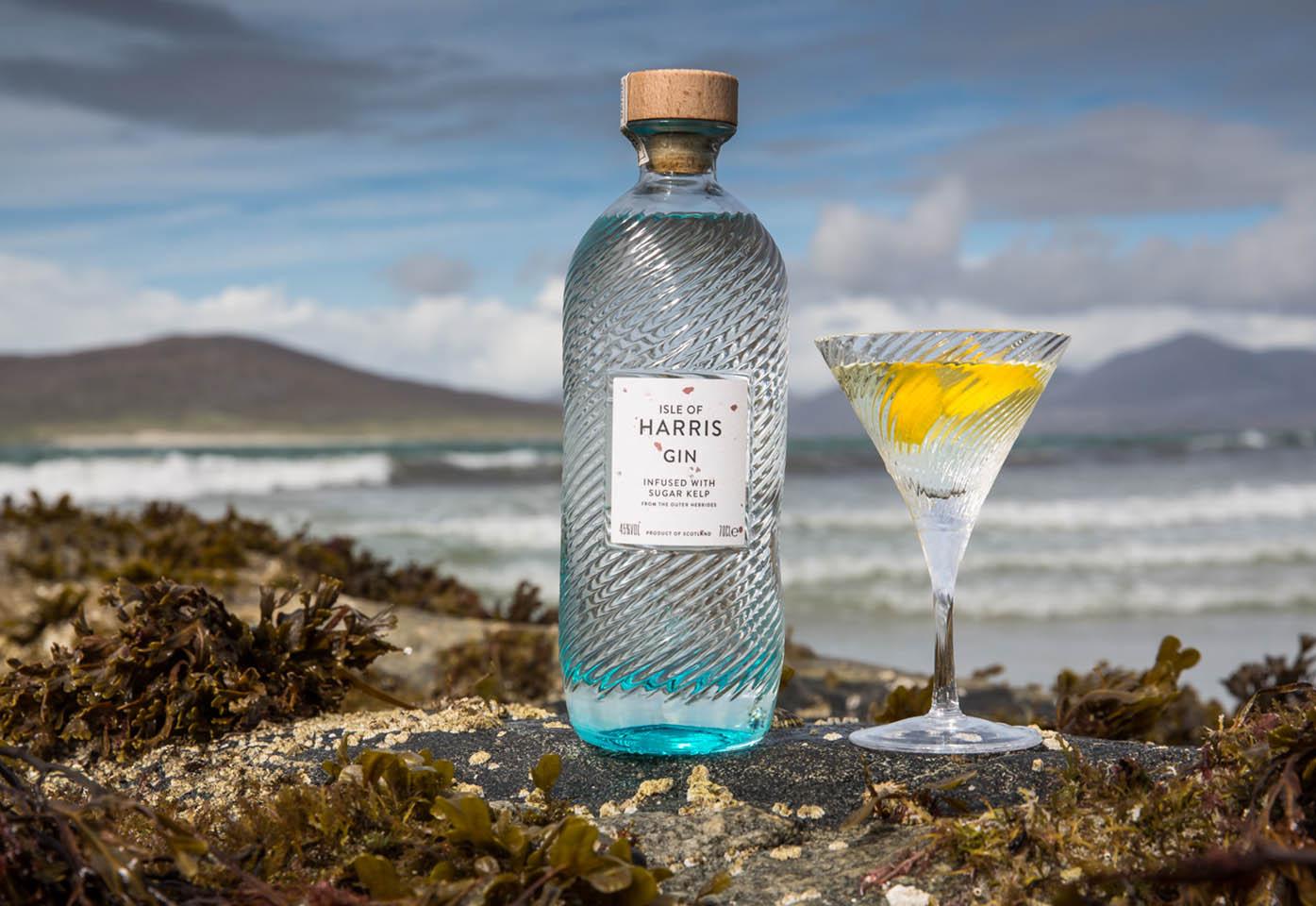
I have loved the bottles since day one. And the gin bottle was actually designed at the same time, before this place was even built. Those designs were used as props to tell the story of what they were trying to achieve here, to express the virtues of the island, and share what they were hoping to create in order to get investment in the early days. That's why so much money was put into actually getting these designed. The designers came over to Harris, sat on the beach with a dram at sunset. And they spent three days here just soaking up everything. And when they were flying across, if you can imagine, the planes aren't very high, so you can see the sea underneath and the ripples of the ocean. That was another little piece of inspiration for the gin bottle. Because of the inclusion of sugar kelp as a key botanical, the gin was always going to be more connected to the sea – the maritime influence of where we are and how we live next to the sea. So then, it made sense that the whisky was more about the land, very heavily inspired by our Harris Tweed.
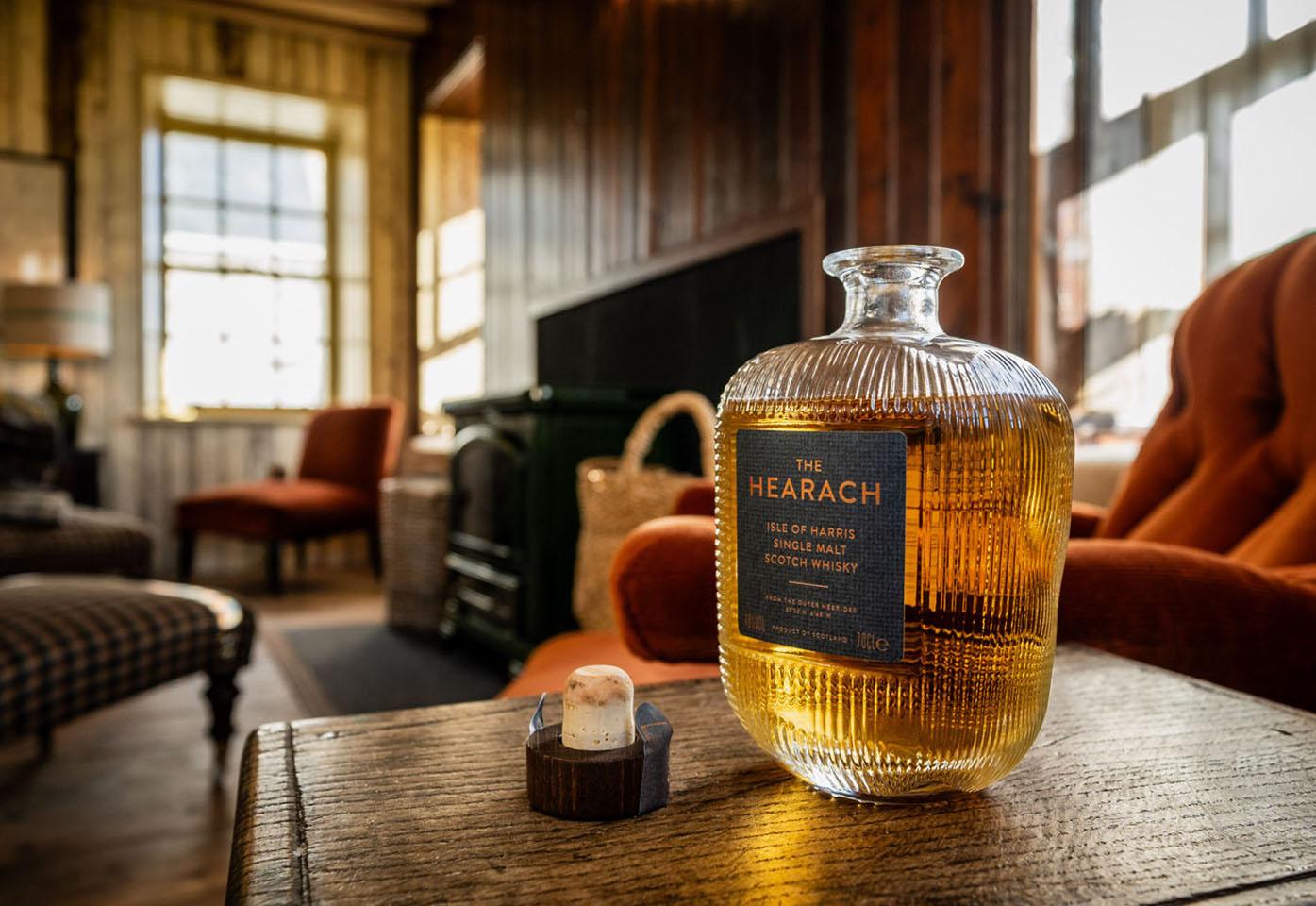
The bottle has the vertical and horizontal lines, which in tweed making are called the weft and the warp. The whisky is more about people and place, while the gin is more about the sea, beaches and surroundings. We were quite nervous when we released the whisky, because we hadn't unveiled the design of that to anyone. It was so anticipating, because the gin bottle had sort of suddenly become really iconic. When you see them together, I like to consider them siblings. But remember, no matter how good the bottle looks, we still need to create world class spirits to survive out there.
What is your hope for the brand within the overall industry?
I think, well, everybody who's involved in the whisky industry at the moment knows it's been a tough year, a really tough couple of years, and it's likely to be again next year. But those things happen in history. It's been quite difficult for young distilleries like ourselves, because we haven't experienced this before. Whereas, the more established brands in the world have navigated these changes over time. So I think that “survival” is the practical answer. I would just like to see us go from strength to strength, and it's about spreading the word of the island to the world. But at the end of the day, we're a small company, so there is room for us to continue to grow even in these times – our production levels have a cap, and we're nowhere near that, so we've still got loads of room for growth.
Coming back to the bottle design, what we found after a year or so of releasing the whisky onto the market was that so many people had bought it to collect it, because this was from a young, new distillery. And as such, these bottles will be quite rare and precious one day. Also with the way it looks, it's very collectable and giftable. One of my aspirations moving forward is definitely to get more people tasting the actual whisky, because once you taste it, you will want to go back for more. I very much understand that lots of people have been reluctant to open and drink these early bottlings, because they're a piece of history. But these are meant to be opened, enjoyed and shared with people, not just to sit looking beautiful on a shelf amongst somebody's private collection. Maybe buy two bottles and leave one on the shelf and drink exactly that. Getting liquid to lips is of the utmost importance.
How have you been able to develop such incredible flavors in your initial releases?
In terms of the spirit, what makes a young whisky really mature well, especially in those early years, is to age it in first fill casks. In other words, if you think about a tea bag, when you steep a tea bag for the first time, in that first steep, you're going to get very strong, very intense flavors and dark colors. When you use it again and again, the impact is less and less. The whisky is really benefiting from that first fill and that's a benefit of being a new distillery. When we're buying barrels from America and from Spain, they're coming to us directly, and then in goes our spirit. Then, six or seven years later, we're putting out a very good whisky that has benefited from that greater extraction from the wood. So all of that flavor is coming out. Because those barrels come to us so quickly, they are frequently received damp, seemingly having just been dumped and within a week they’re on their way to Harris – that residual initial spirit, whether it be bourbon or sherry is impactful.
The other process that we use is that we marry the spirit. When we take a selection of casks for a batch, mix it all together and they're blending, we put it into old sherry casks that are no longer really active for maturation, but they still have flavor; that marrying process has really helped. It's really been very significant for us, because we tested it from marrying for two weeks all the way up to 20 weeks, and you could really see the difference. There was a big step change of six weeks, another one at 12 and then another one around 16 weeks.
How does the climate of the island impact the aging process and make a truly unique spirit reflective of the environment?
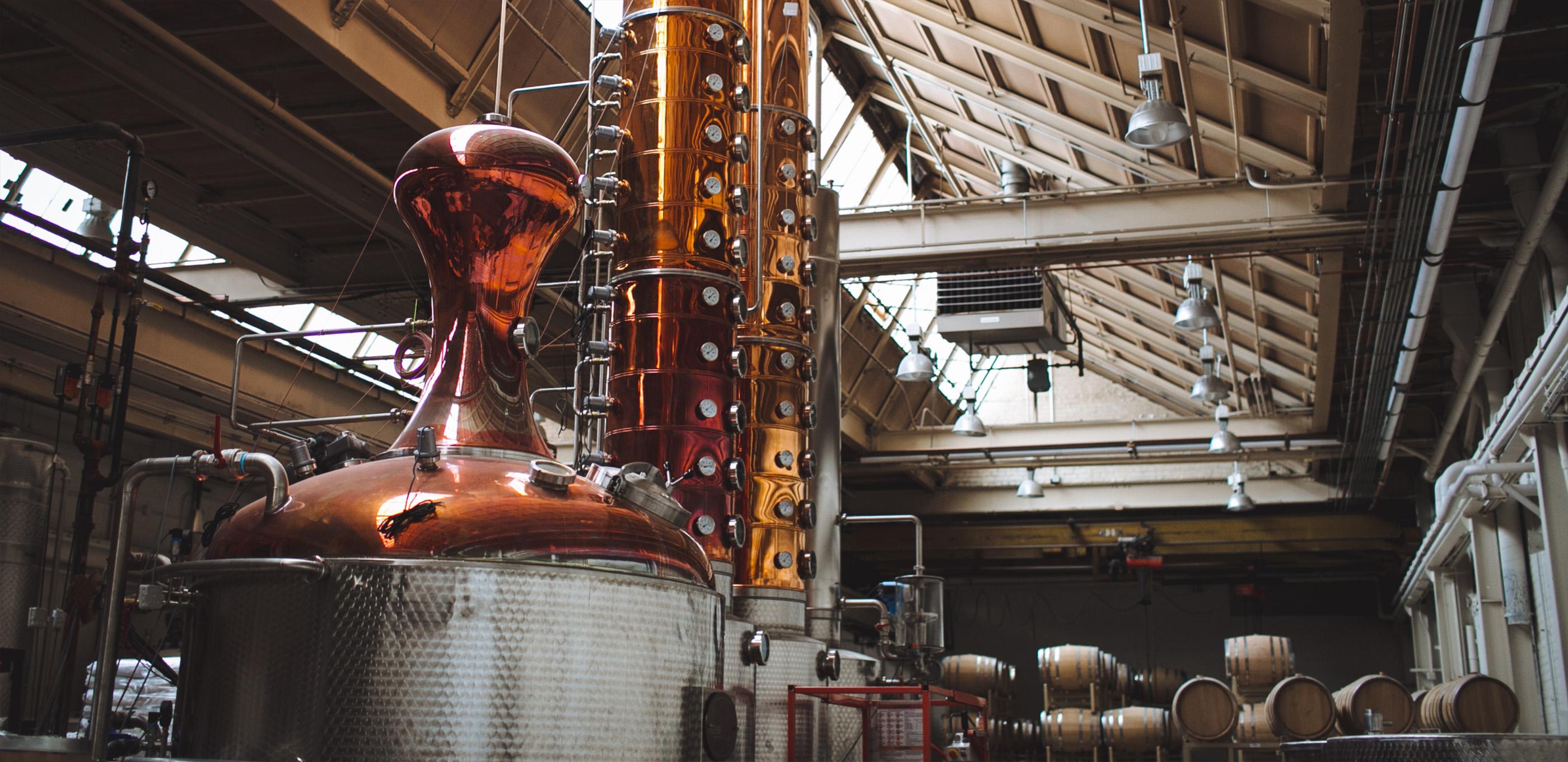
I believe our new make is influenced quite heavily by the design of our Spirit Hall. All the equipment is in one room for us, because we're quite small. That means that we have the milling and mashing, fermentation and distillation, all within a few meters of each other. I think the fermentations are affected by the heat from the stills – we’ve got quite a sweet new make spirit. And in the warehouse for maturation, it's very windy, which increases our losses. So the bank manager doesn't like that so much, but it's good for the spirit. The temperature is also quite ambient here throughout the year, we don't get a lot of frost in the winter.
The positioning of these warehouses are on an estuary, which at the end of that is a sea lock; it's the Atlantic, and basically, the next stop is Nova Scotia. So, the kind of ambient temperature and not getting very, very cold and not getting very, very hot seems to be good for maturation anywhere along the west coast of Scotland. The pressure is quite high sometimes, and there's actually an Australian guy that told me that's very good as well for whisky maturation. And the result is that the overall picture is that it's a great climate for it because it’s maturing very quickly, but our losses are quite high as well.
You know, when you are not working, what are you sipping?
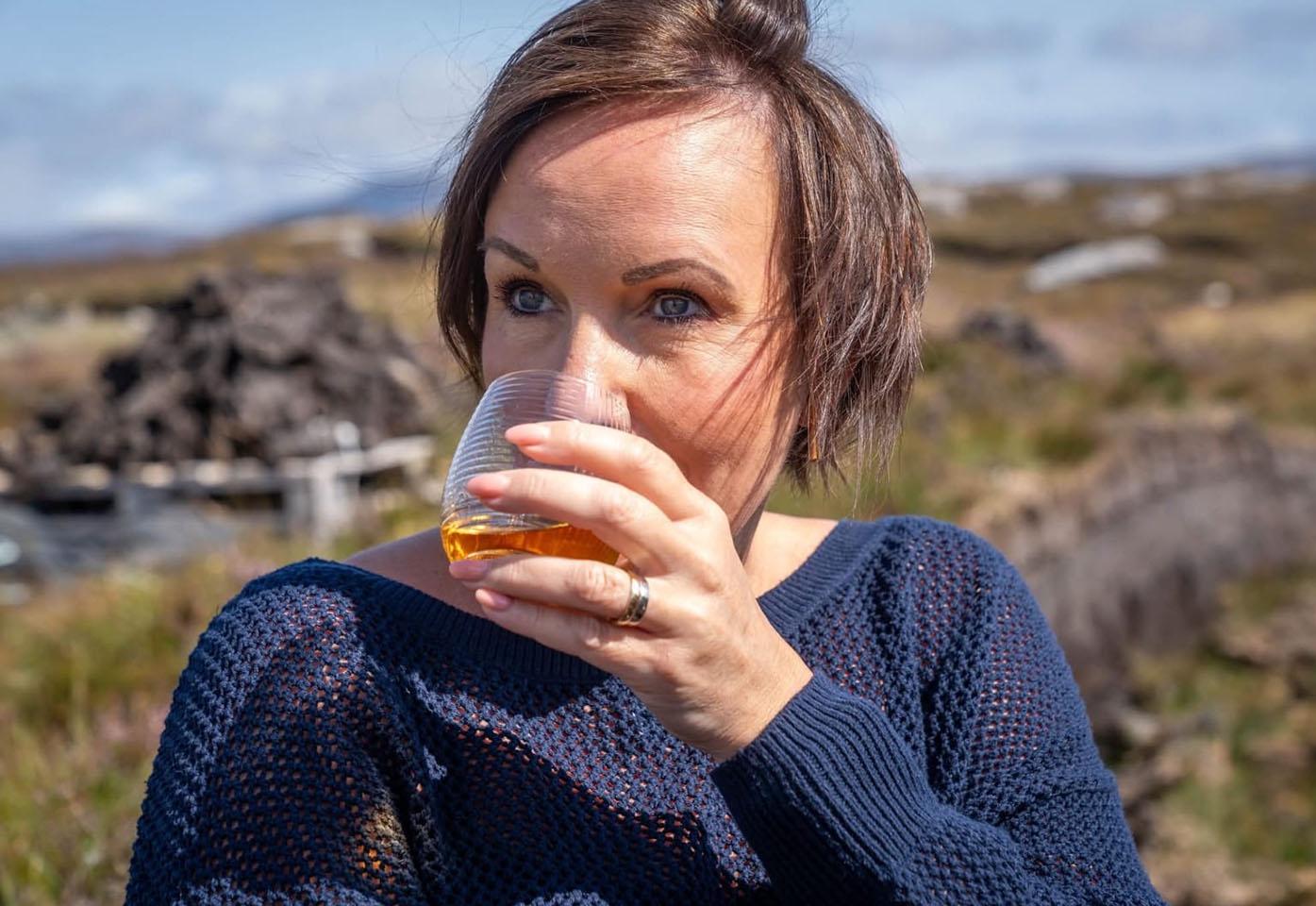
Well, yesterday afternoon, my brother's family came down and I made some Negronis. I love a Negroni with our gin; it’s just amazing. But also yesterday, I used some of our friends’ spiced gin – a couple of our friends own Tyree Distillery on the tiny, little island of Tyree, and they've just recently released a spiced gin, and it's really good for a Christmas Negroni, because of that little bit of spice in there. I also love white wine; a Sauvignon Blanc from New Zealand is my favorite. I like loads of things apart from beer; I'm not a big fan of beer. Unless maybe I’m somewhere it’s hot, I'll have a beer. And just very recently, when I was traveling for the London Whisky Show, we went to the theater one night because the Cameron Mackintosh Theatre stocks our whisky and gin. Their cocktail at the bar that night was a Hearach Whisky Mac, and I hadn't heard of a Whisky Mac in a long time, Crabbie’s Green Ginger Liqueur. So I bought a bottle, and I've had a few of those recently, and it is very, very good.
In Closing
The journey of this distillery is really just beginning. We would like to invite you to join in the early days of the Isle of Harris by exploring the Hearach Scotch Whisky and Isle of Harris Gin by exploring their official site or right here on ReserveBar.