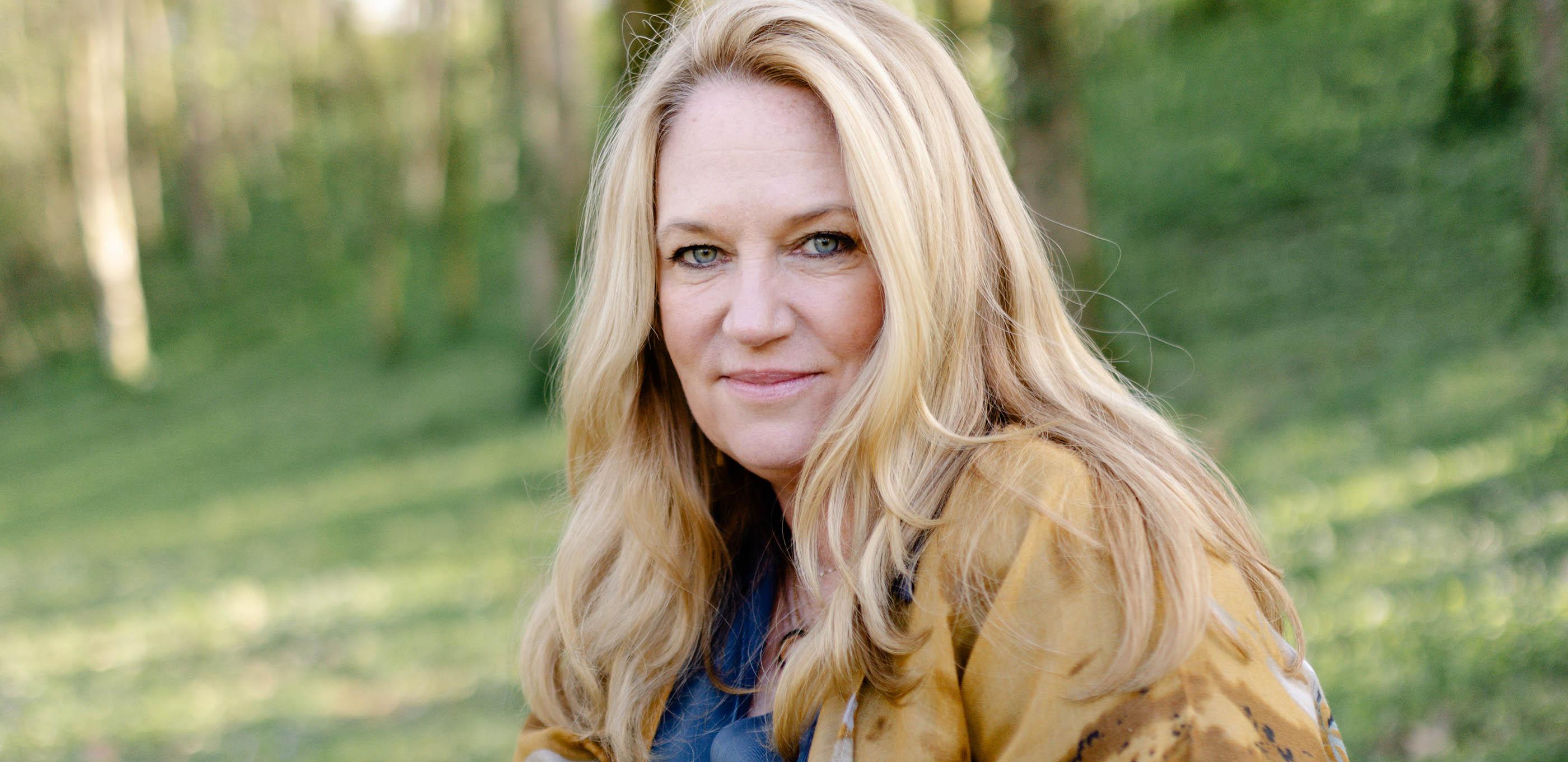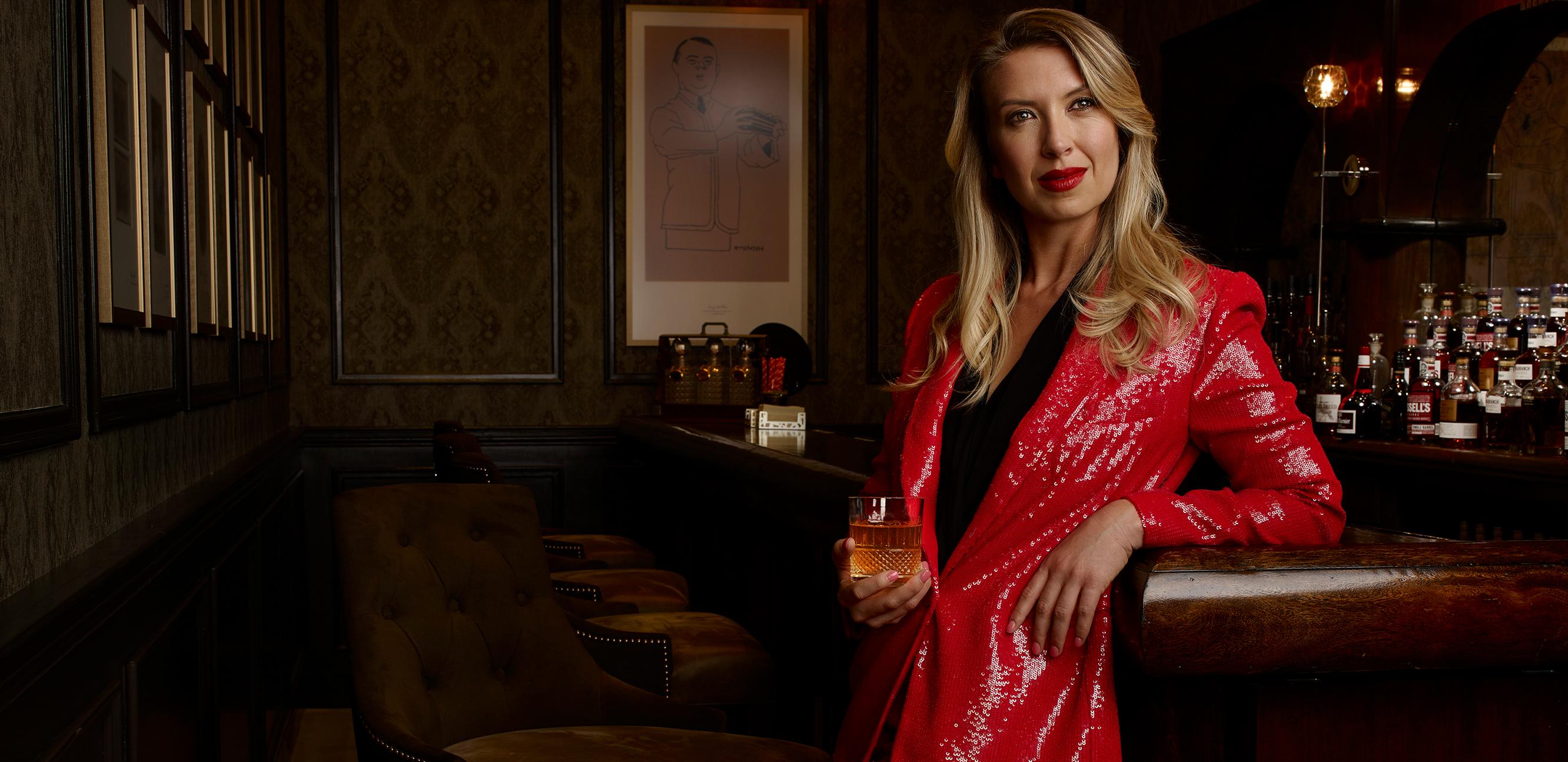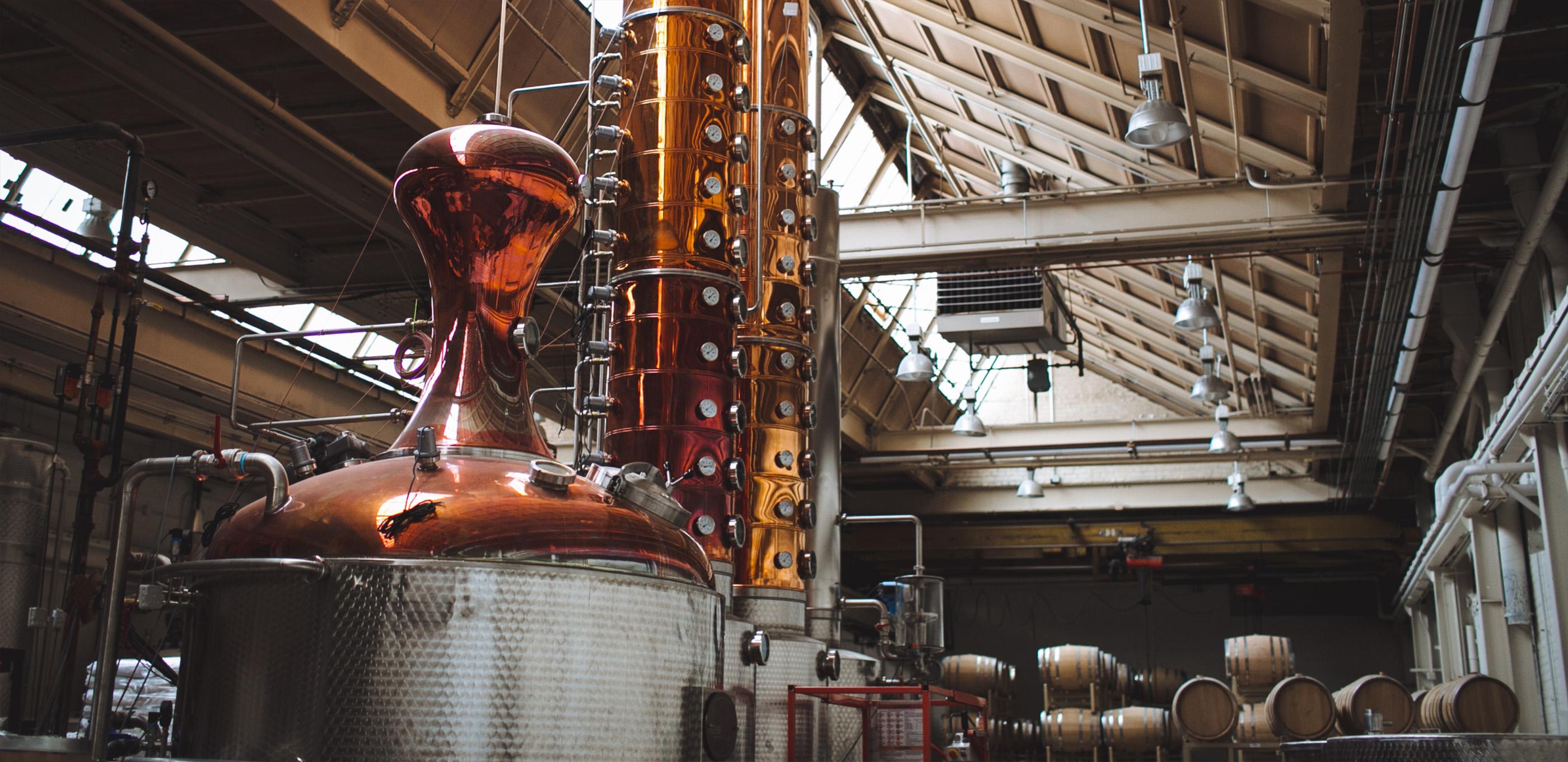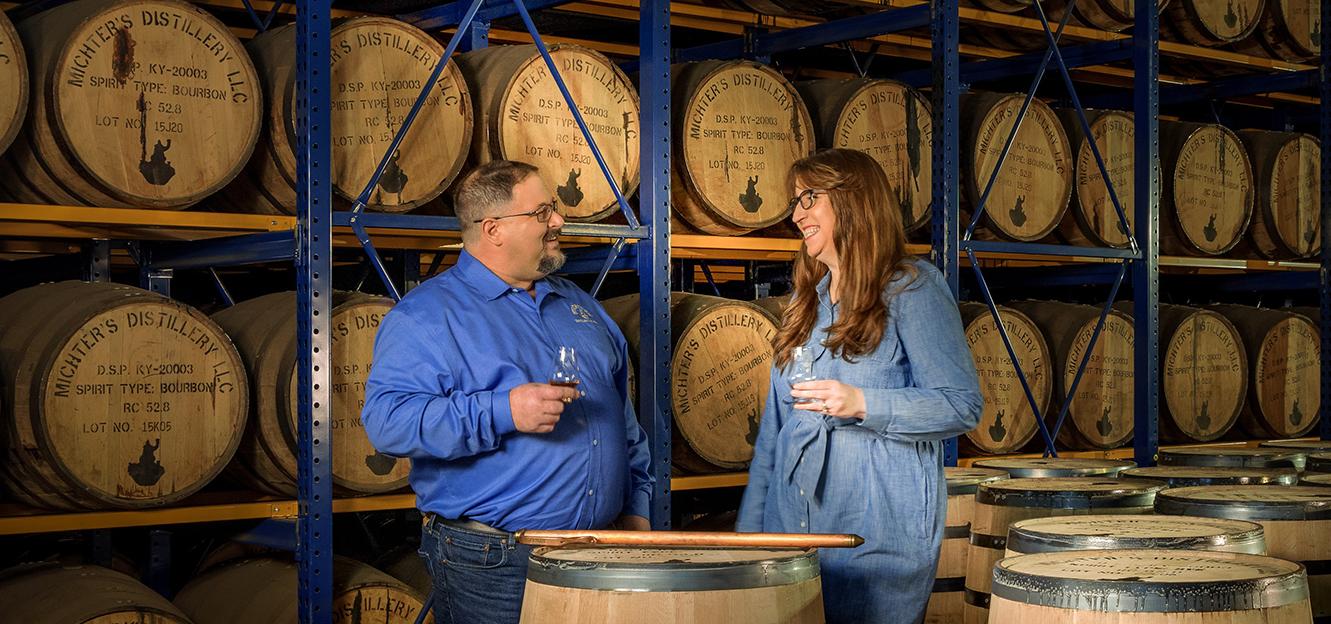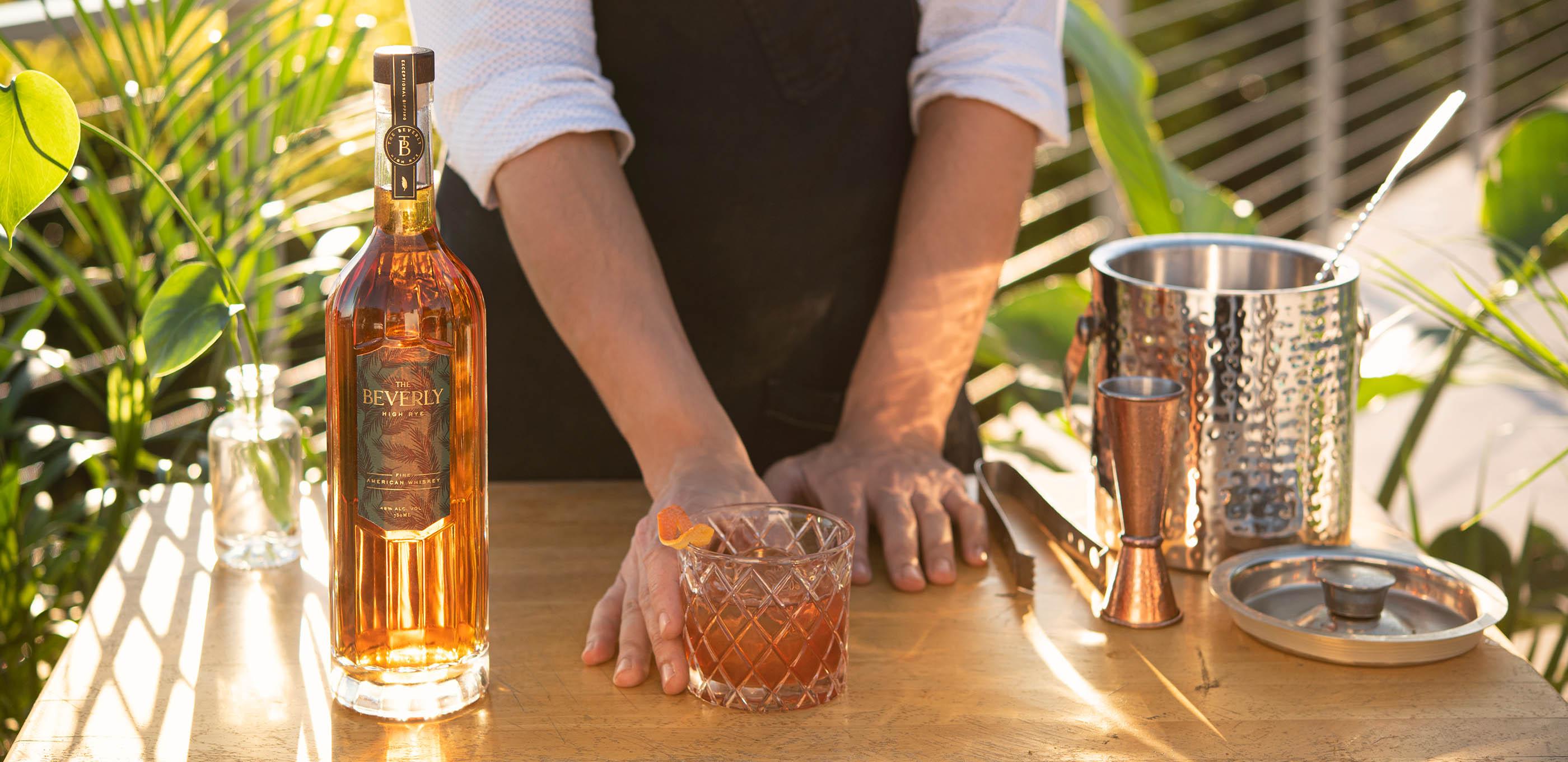
Established in 1879, the grounds of Barton in its more “modern” form have been operational since the 1940s. While quietly producing in Bardstown, 1792 has been active for nearly 25 years leveraging this now decades-old infrastructure, building upon it with a new level of operational excellence. At the helm is Ross Cornelissen, the brand’s current Master Distiller – we sat down with Ross to discover how he is honoring the legacy of the grounds and the history of this brand while developing a vision for building what’s to come.
Where did your interest and pursuits within the spirits industry begin?
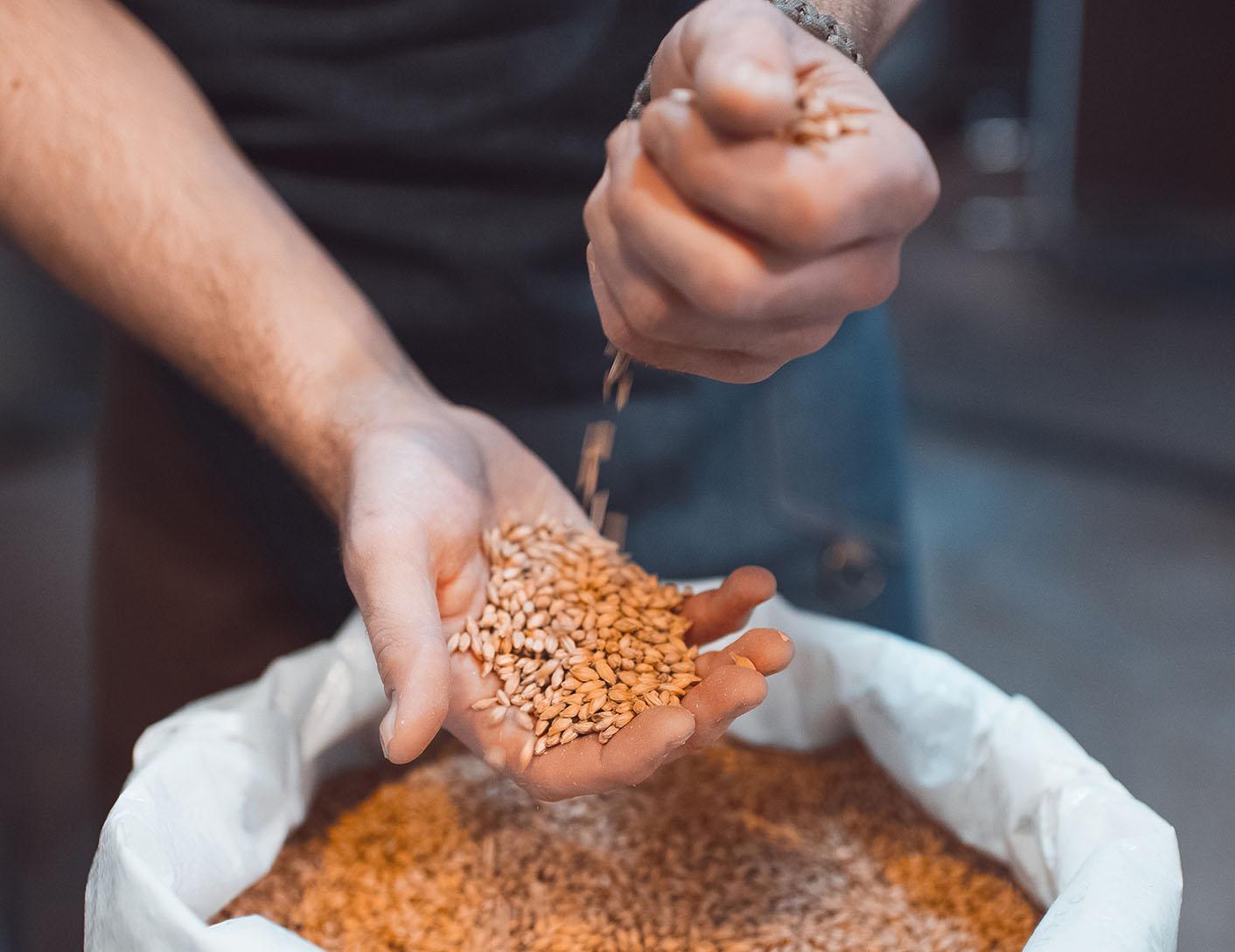
I was lucky enough to go to Purdue University in Indiana with a focus on biological and food process engineering. My initial goal was to make cereal for a living – at the time I was looking at Lucky Charms, Honey Bunches of Oats, and you name it. You know, it was one of those teenage visions: I love cereal, so let's go make cereal for a living. That path led me to a microbiology class my junior year of college, and just absolutely fell in love with that world. While I didn't know where it could be applied in the industry, I found fermentation the most exciting of all things microbiology.
This led me to start looking at breweries, fuel ethanol plants, distilleries, anything for internships, and also post-grad plans in the spring of my junior year. While I didn't have an internship that summer, my research caused me to discover MGP, and I became very interested in what they were doing. That focus continued through my final year and I was lucky enough to become Distillery Supervisor there as my first job out of college. That was 2014, so while some people knew who MGP was, not a lot of people knew. I really got in somewhat early, and I absolutely loved it. I just learned so much there from so many good people who are also passionate about the industry and really just created more of a passion for me during my time there.
How did this lead to joining 1792?
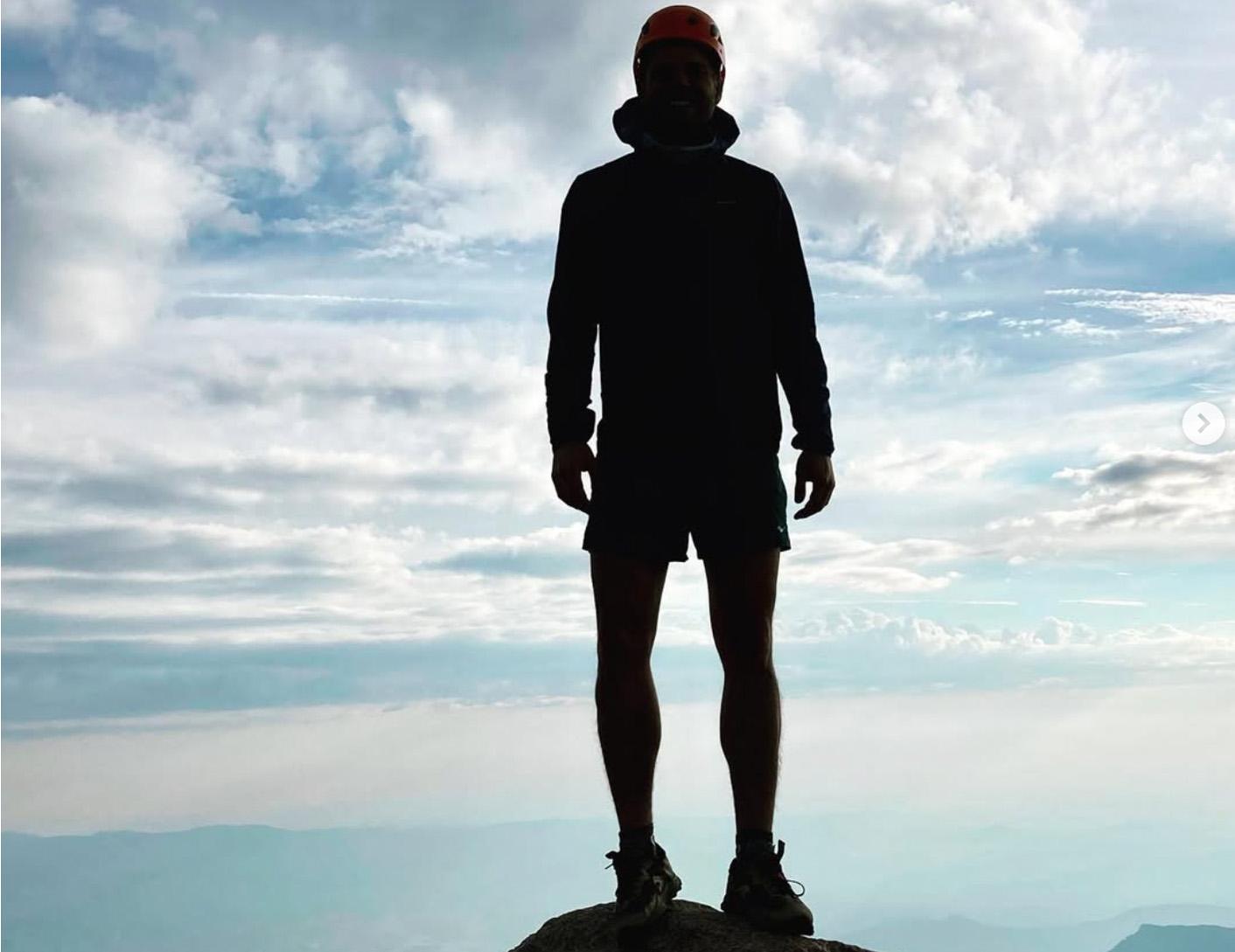
My wife is a geologist, and she's very smart and great in her field. She had an opportunity for a role she just could not refuse. So, I ended up leaving my job at MGP to move to Colorado with her to follow her career, but I said, “no matter what I do in Colorado, I want to be in fermentation in some capacity.” Initially, I ended up at a startup focused on mycelial or mushroom fermentation for food ingredients. This was clearly not whiskey, and I did that for about four years, and was the part of a plant build out and start up as a Process Engineer. I then became their plant manager for a chunk of time as well.
At the time, I really wasn't looking to move back to the Midwest, but I received a call and was instantly interested. So, I discussed the possibility of following my passion in that season with my wife, and that simple question of “can we make that happen?” Sure enough, here I am. Since the Summer of 2022, I've been lucky enough to be at Barton 1792, and it has only grown my passion further as I've learned more and met more people, both inside and outside of the company, who make this industry what it is. There really is so much passion and interest in all we do, and I'm excited to be a part of it and continue being a part of where it is going.
What did that transition to Barton 1792 look like for you?
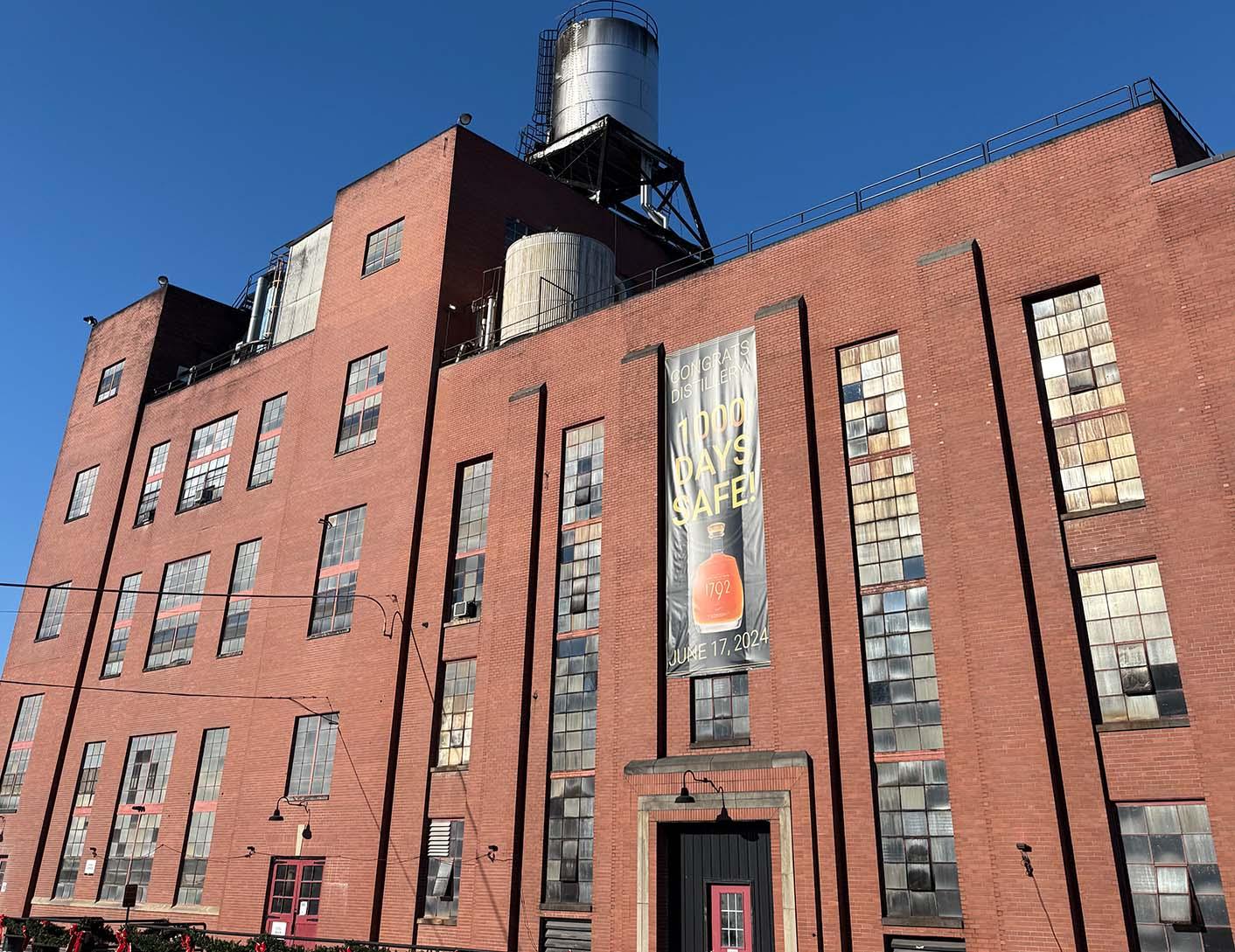
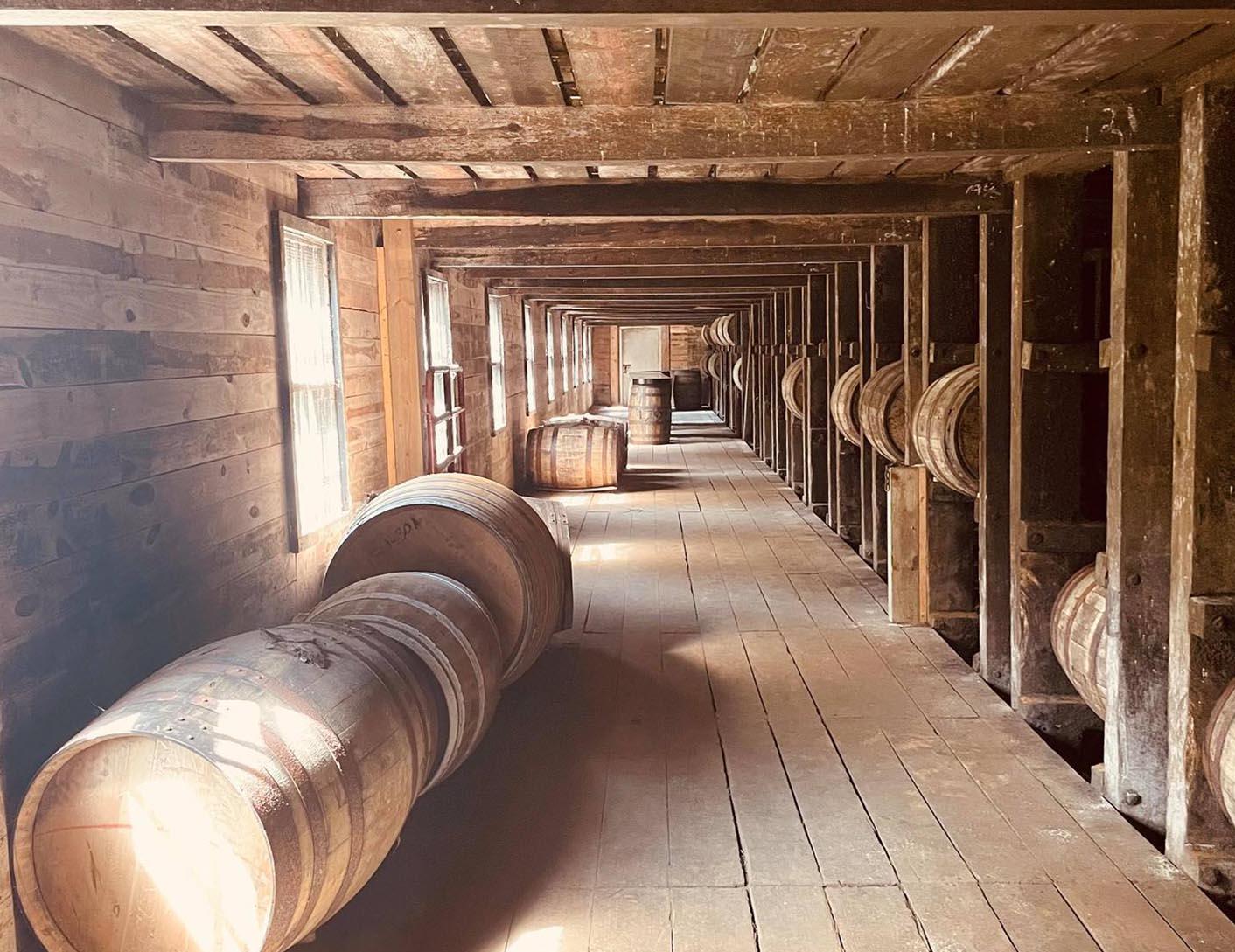
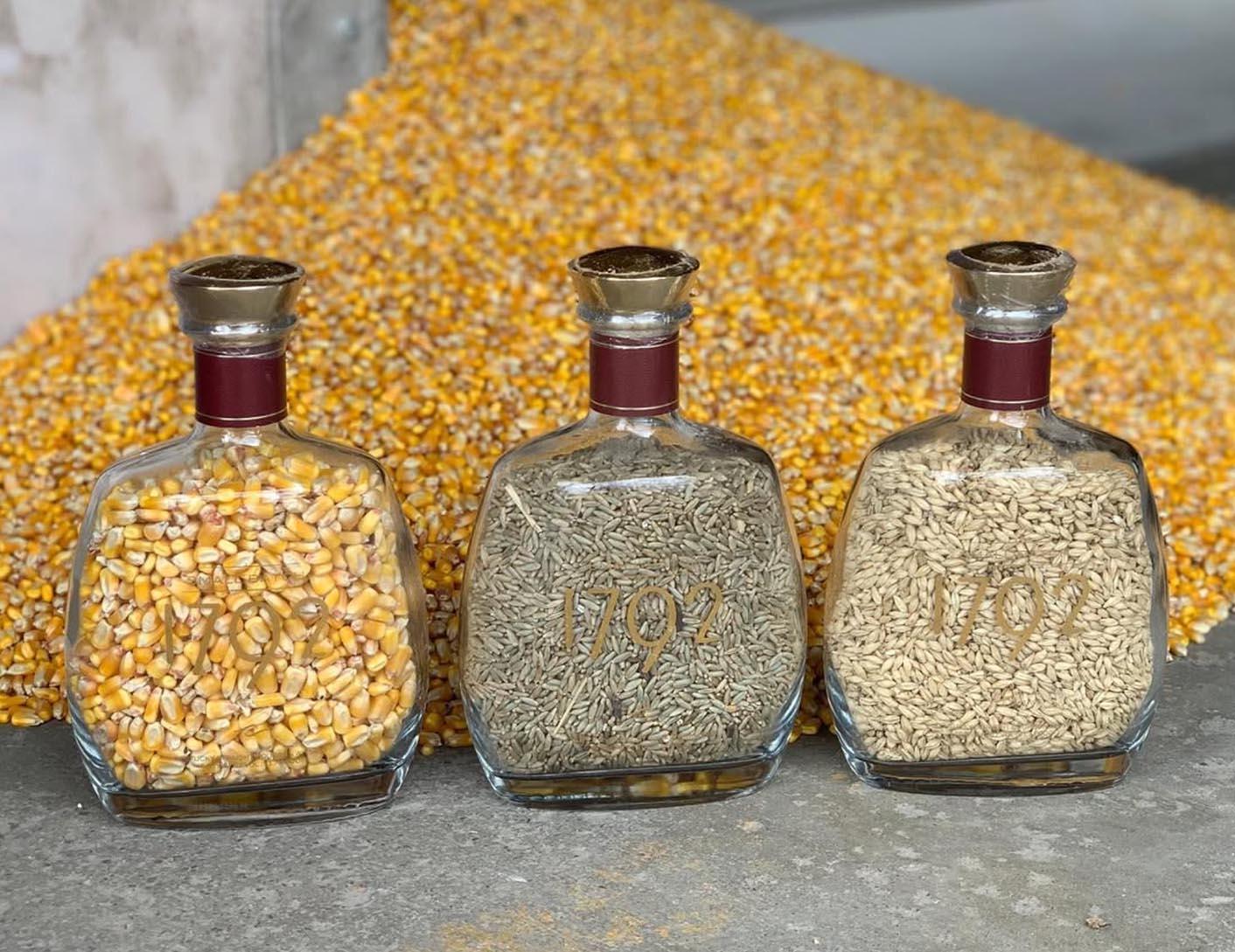
While I had some idea of what it was going to entail, like with most roles, I didn't fully know everything it was going to entail. And there have been a lot of pleasant surprises in this transition, and there've been those, “wow, okay, didn't know that was gonna be a part of it as well” moments as well. In this role, I'm the lead for every aspect of production, from grain coming in, to the barrel, and finally in the liquid that’s going into the bottle for all things Barton 1792. In my previous distillery work, I was always really focused on the distillery side, and not really on the barrel warehouse and maturation side. That quickly became one thing I knew that I needed to focus my own development on – I had to get it up to speed on maturation very fast – I read research papers, asked tons of questions, even before I took the job, just trying to try to understand everything I could. Then once I got here, I was spending a lot of time in the warehouses, understanding how things mature, why they mature the way they do to get to that point where we say, “Yeah, that's a great barrel,” or, “hey, it needs time,” or “it needs to be in a different place.”
I have also really enjoyed being both a technical lead and also a people manager. We have an awesome team here with a good mix of people who are veterans and have been around this distillery and this industry for a long time, and then a lot of newcomers who are just so wildly passionate about it. Working with both groups of people has been incredible; you never know how the people are going to be when you come into a new place of work, but I've been very lucky, and I am just so grateful to have a wonderful team here to be a part of. So, those were my first focus areas of the transition. The first thing that I knew was going to be tough was ramping up on maturation. The second thing that you don’t know until you get there is the people, and they have been wonderful here, and we've continued to make an incredible team.
What do you find interesting about the 1792 brand?
The 1792 brand itself has only been about 23 years, and it's gone through several name changes and redesigns. It was originally 1792 Ridgewood Reserve, then 1792 Ridgemont Reserve, and then 1792 about 10 to 11 years ago. And each of those different redesigns really tried to appeal to different consumers. But I think the bottle has always been the most unique part of the 1792 branding, because it looks nothing like your typical bourbon bottle. People often call it a cognac or brandy bottle, but no one ever thinks that it is similar to your average bourbon bottle – it’s a distinctive part of our brand.
The distillery itself, Barton 1792, is the oldest fully operated distillery in Bardstown, the bourbon capital of the world. While there's a lot of history in Kentucky bourbon and from the surrounding distilleries, and I think that Barton's history is right up there with the rest of them, with how it came to be, and everything that it's gone through over the years. I think that it’s a very interesting story, and if we add an hour, or even two, we might get through just a fraction of it. While a lot of distilleries have evolved, been updated and upgraded over the years, we really haven't changed a lot over the last 80 years since the distillery was, for the most part, rebuilt in the 1940s.
I think that it is simply amazing, because I've tasted older bourbon from here, from the 60s, 70s, 80s, 90s, and while it tastes somewhat different, in a lot of ways, it's very much the same. When you taste this whiskey, you get the feel that this is how bourbon tasted a long time ago, just on a very high quality and consistent basis, before all these other modern frameworks and technology in place to keep things more consistent. This brand continues to capture and honor its history by maintaining for the most part our infrastructure and processes. Those are probably two of my favorite things about the whole distillery.
With such a long heritage, what is your focus on production now?
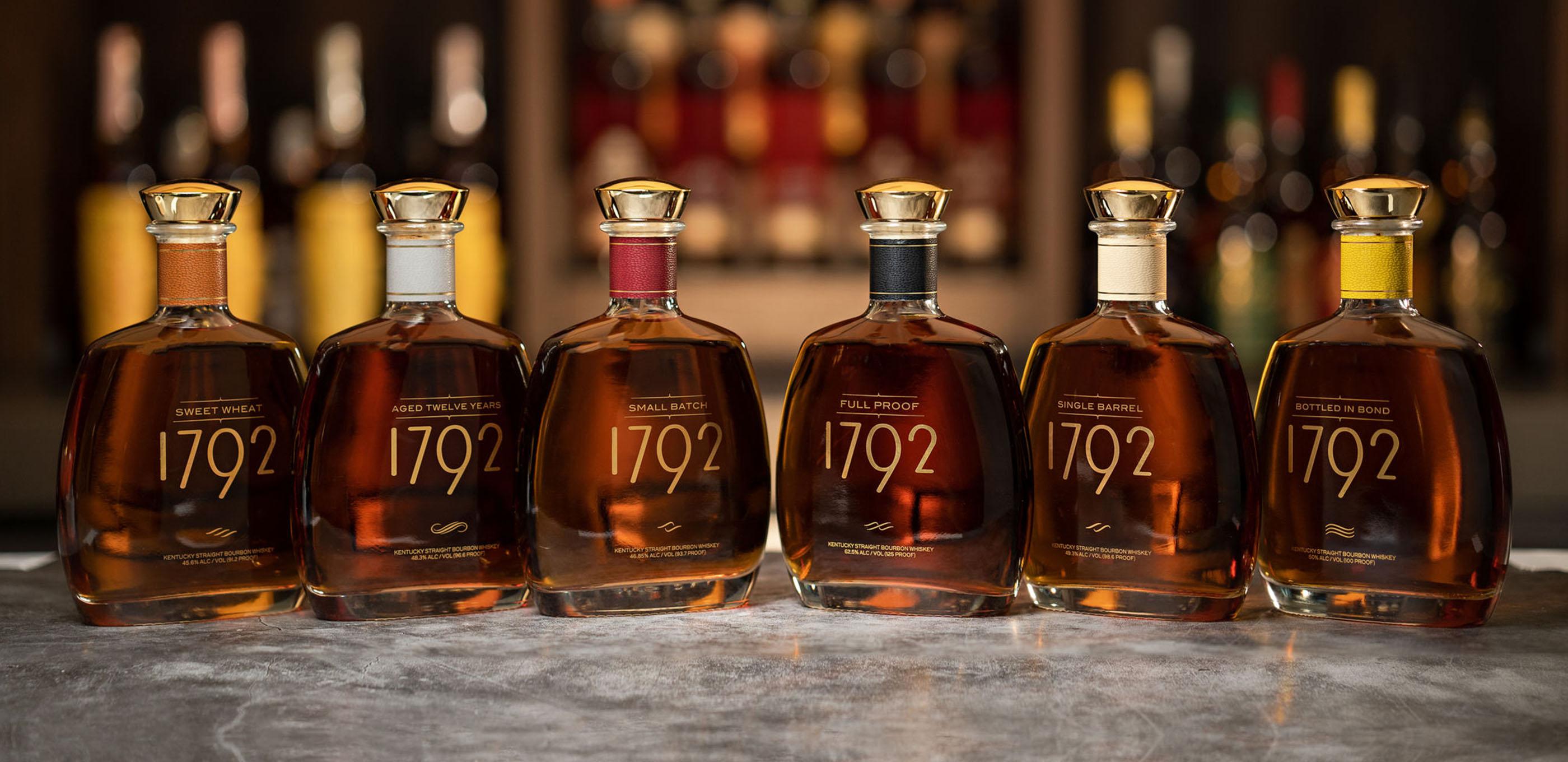
You want your product to be consistent, but you also want to be on the cutting edge. So, how do you do both? How are you supposed to be the same but different and better every time? How I see it is picking and choosing wisely what you try to improve and what you try to go after – and every distillery has a different vision for what this might look like. For us, we've expanded to just a few different expressions over the years, and we're pretty meticulous about that. It used to just be 1792 Small Batch, our flagship, but now we also have Single Barrel, Bottled-in-Bond, Full Proof and 12 Year in our line-up, and maybe with more on the way.
We have all of these different expressions that show off how generally the same mash bill, aged in different places and for different times, or when blended together, can bring out different flavor profiles and completely different whiskeys at the end of the day. So looking forward, it's about finding where you can still reach new boundaries and come up with different expressions, be it straight bourbon or cask finishes, while continuing to be very meticulous and directed in how we approach any new expressions.
Do you have any routines or ways that you approach either production or selection?
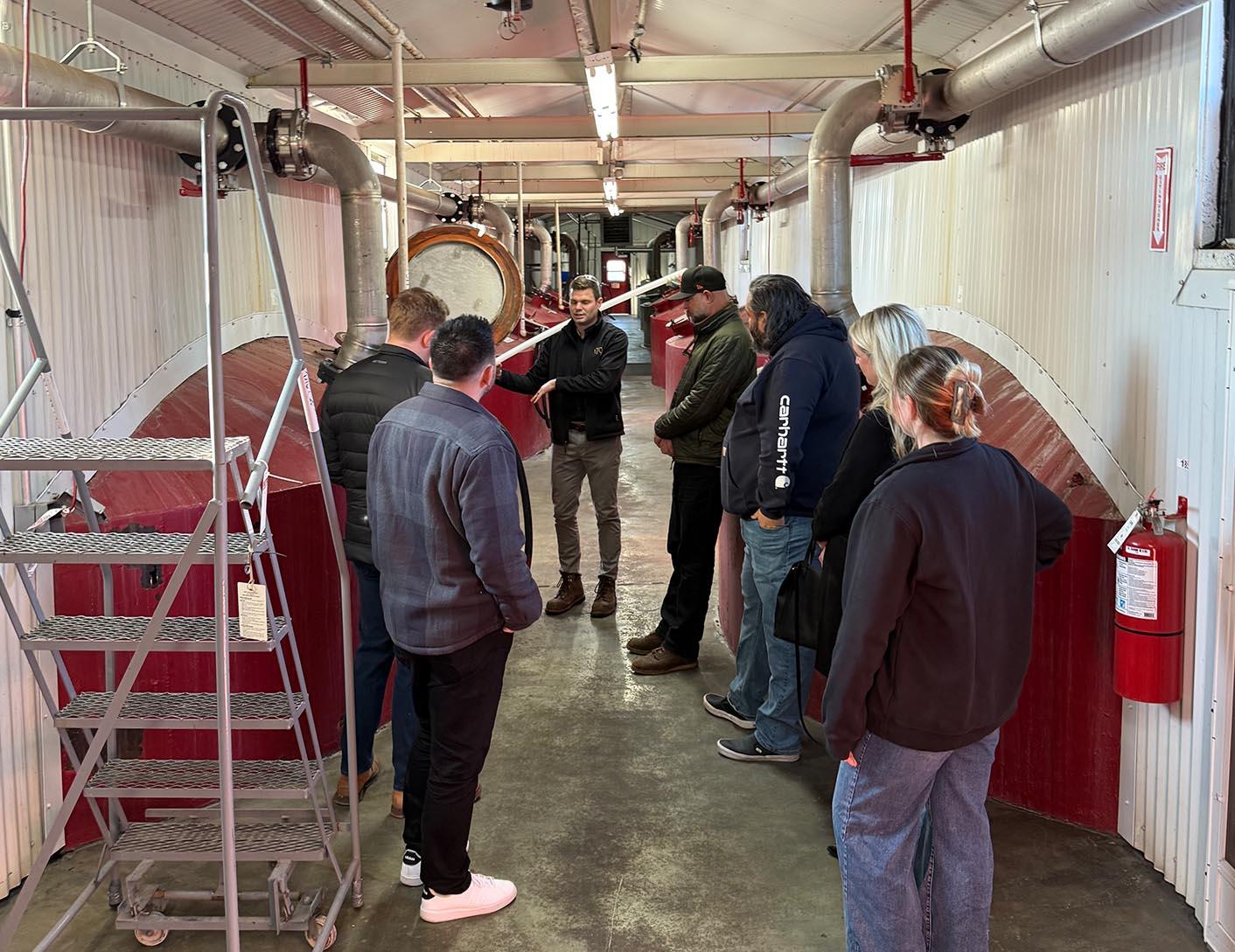
On the production side again, I think having a good team is number one; having people who are passionate and care about the product they're making, I believe that it is extremely important that they're connected to the product. And every day we put a lot of focus around three main tenants here: safety, quality, and efficiency. That might sound a bit too corporate for this, but if you want to make consistent whiskey, you need to pay attention to those things. Is the process safe? Are people safe? Is the resulting quality good?
For me, that means carefully studying the details. How is mashing over the last shift? What is our fermentation data looking like? Are there any issues with distillation from the previous shift? And then, every shift, we perform the sensory work on what's coming off the still to make sure that matches our reference going forward. We’re always comparing what we're making that day to our reference for a given mash bill.
And again, efficiency – are we getting the yields that we say we're supposed to be getting out of it, be it from the barrel or from every bushel of grain that we bring in. Normally, if you're operating safely, at a high efficiency, your quality is going to be pretty good, so those three definitely tie together. We definitely have quite a few things that we monitor on a daily, hourly or minute-by-minute basis.
For barrel selections specifically, we're very particular about where barrels come from, especially for Sazerac or Single Barrel Select programs. We do know our sweet spots in general areas, and where barrels should be pulled from based on what we’re trying to release. To do this, we're picking barrels for those selects, ahead of time, going through them, making sure they're good from a proof flavor standpoint, and then, hopefully bringing those barrels to life with customers.
Where do you see 1792 as a part of the larger whiskey conversation?
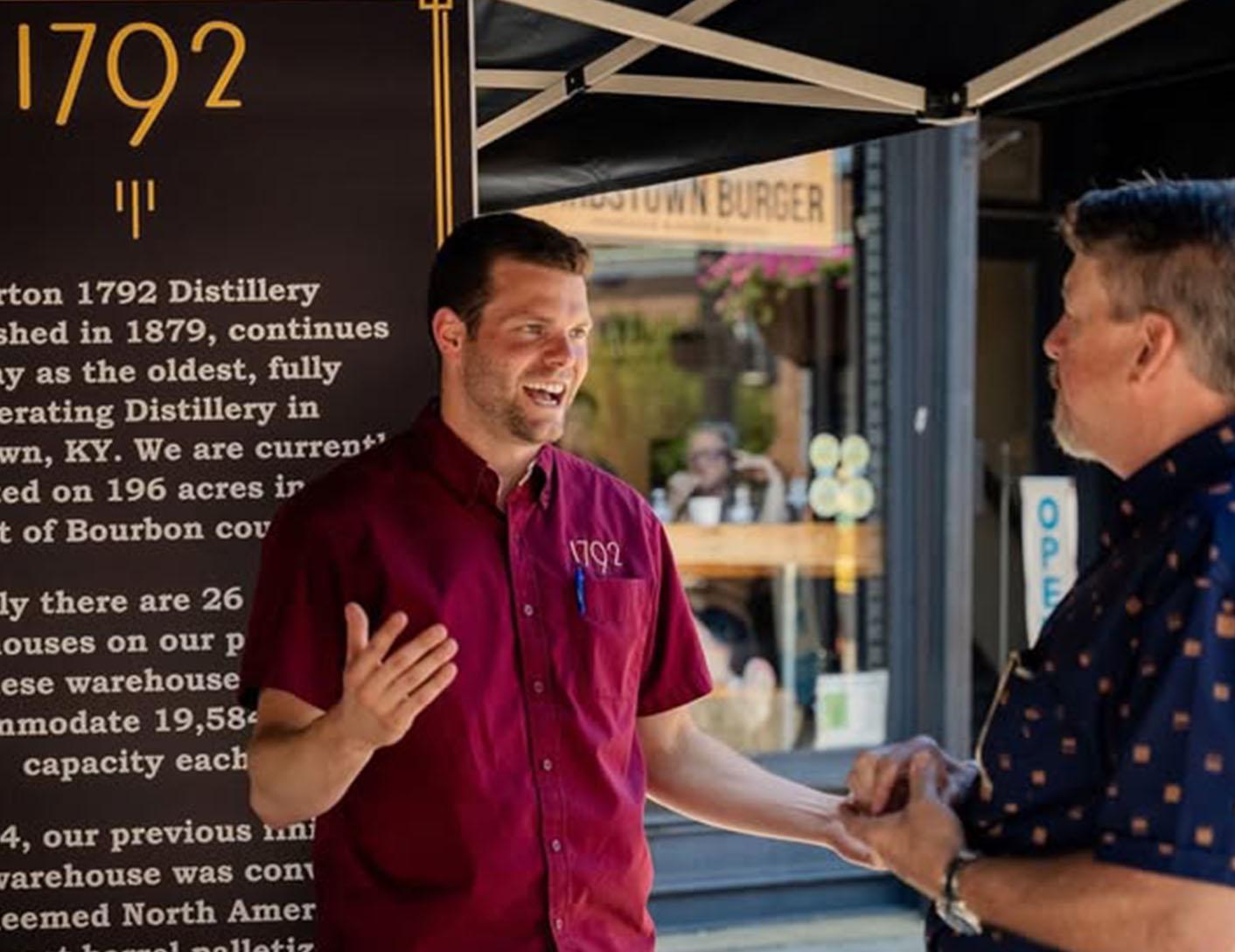
Our expressions really enable us to have wide reaching whiskey conversations. When I talk to consumers, I'll say, “Hey, you know, what do you like? Do you like barrel proof bourbons? Or rye-forward bourbons? Maybe you like fruitier bourbons? Wheated bourbons?” In the 1792 profile, we can cover a lot of range. For instance, if you like wheated, we have 1792 Sweet Wheat – sure, we don't make a lot of it, but it's there and always available for you to try it.
If you really want to understand the differences from one single barrel to another, we have the ability to pull out a couple different single barrels to try next to each other, just like you and I did during the ReserveBar selection, and then talk about where those barrels came from in a warehouse. And if you love barrel proof bourbons, or high proof bourbons, we have Full Proof, where we go into the barrel at 125 proof, and as it ages, it generally ends up higher than 125 based on where we put in our warehouses, we put a little water in it and have full proof again. This is a bourbon that will knock your socks off from a flavor standpoint and give us the ability to talk about how we make sure that it's above 125 proof and where those barrels come from.
Then there’s Small Batch, which is a blend of a selected lot of barrels. And while there’s no legal definition for “small batch”, we’re identifying a fairly small curated number of barrels. And this enables us to talk through how we balance things like the mash bill in this high-rye bourbon. This allows us to discuss how we manage the rye influence, the impact of the yeast, and the influence of the barrel. From there, how do all of these things in aggregate influence our final blend within the Small Batch based on how we pick barrels?
There really is a 1792 product for everyone, and that's generally how I try to think about it. Again, we try to be meticulous about what we’re producing, and if there is a new expression that we want to consider, we really need to know what itch it is going to scratch at the end of the day or what void it is going to fill. I think that's a really nice part of the brand is that we can relate it to a lot of bourbon drinkers out there, and anything that we look to create must have a sensible place alongside our core.
If someone is new to 1792 where should they get started?
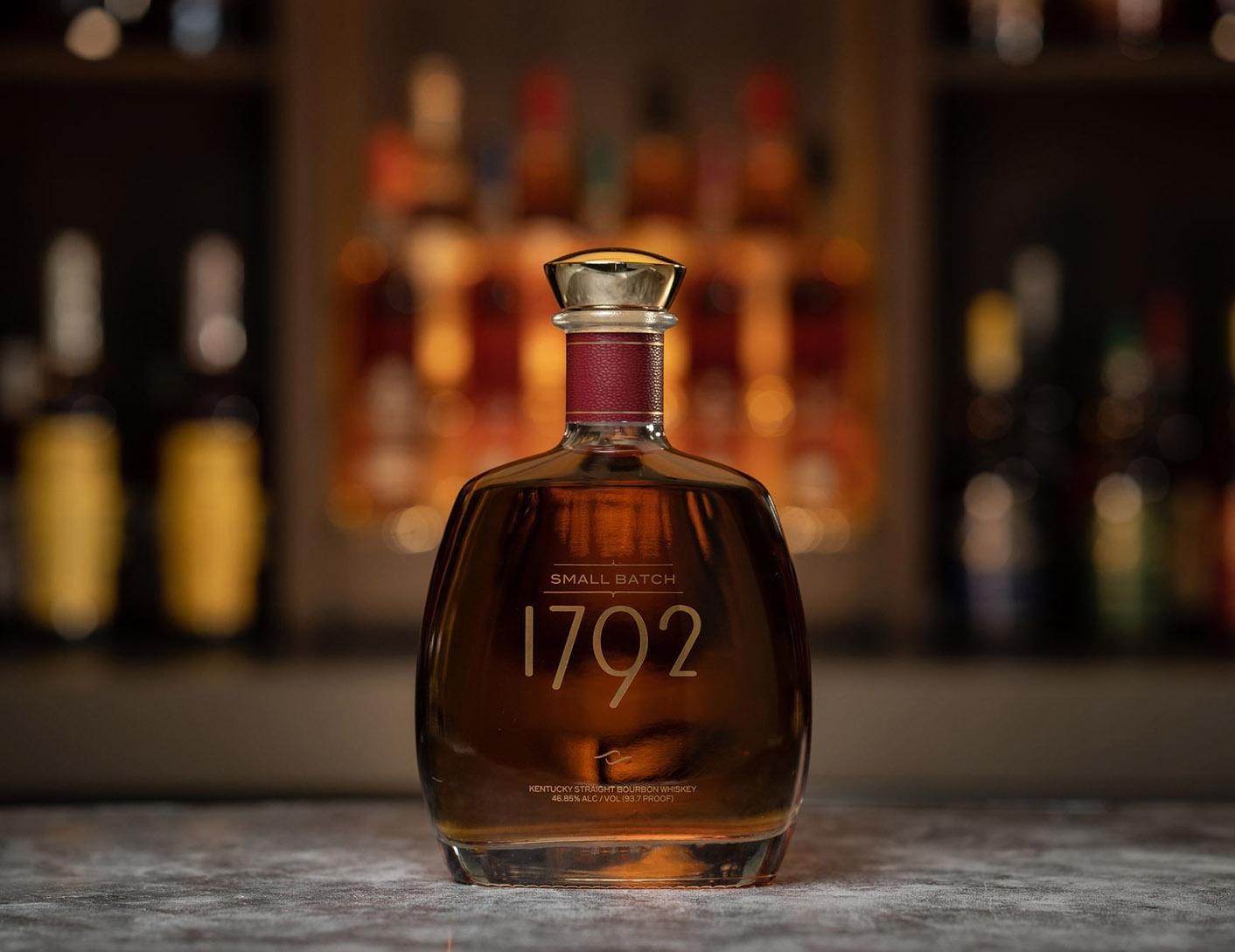
Definitely start with Small Batch. When I think of the flavors that make 1792 as a high rye bourbon, there's going to be plenty of spice influence. And our yeast strain is a pretty ester heavy strain, so it produces a lot of, I'll use a technical term here, isoamyl acetate – that's the very banana-forward flavor that you get from our whiskey. And then, where those barrels are aged in the warehouses; you get all of that great barrel influence, be it caramel, butterscotch, dark sugars, oak, vanilla. We meticulously balance those three components: the mash bill, yeast, and barrel.
I think Small Batch shows all three of those things very well, and so you get to talk about how a bourbon is put together. And then when they go try different bourbons, inside or outside of the 1792 profile, I believe that people will think about it as well. Like Buffalo Trace; I love Buffalo Trace – it is a solid daily sipper. Buffalo Trace has a great mash bill profile. It's super sweet, and it has all this barrel characteristic as well, which is why people love it. But there isn't a strong banana influence there because the yeast strain is different. It. And so, if you put Buffalo Trace next to 1792 you’d quickly realize these are two very different bourbons. And I hope that it makes people think about why they're different.
How do you enjoy drinking 1792?
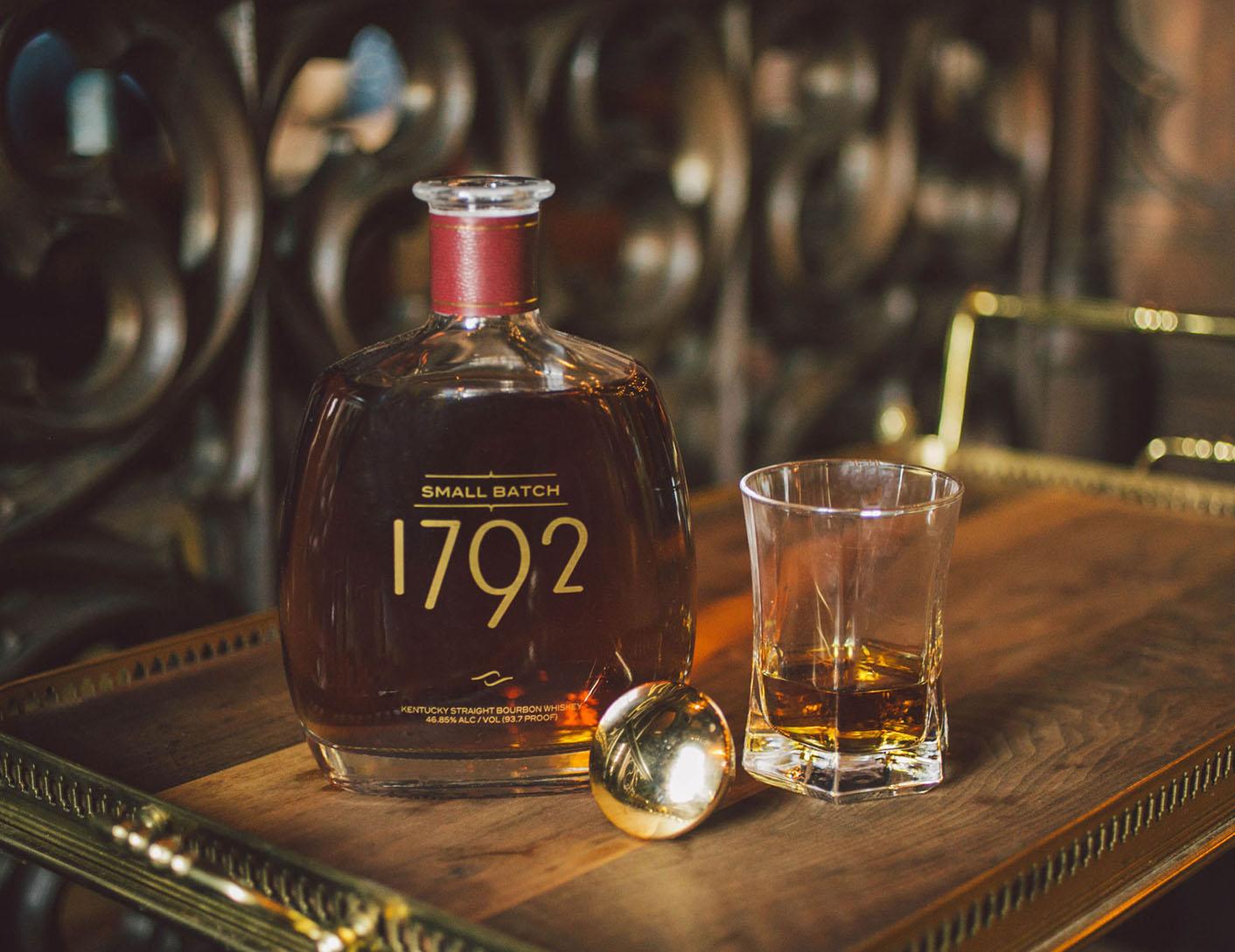
I'm a “coffee, black and whiskey, neat” kind of guy. That's just how I've always been. And anytime I'm drinking bourbon, I'm dissecting it probably more than I should. Do I still enjoy it? Yes, but I'm thinking about why certain flavors exist the way that they do. It's hard for me to turn my brain off as to how flavors are developed, but that's just because I enjoy it. It's not like it's work to me when I'm thinking about those flavors – I find that super interesting as to why a bourbon or a whiskey tastes the way it does? At the end of the day, I think neat is a good way to do it.
Another way is, while I don't put ice, it isn't uncommon for me to add a good amount of water to a bourbon, because it will cut the alcohol from your nose, allowing you to taste or smell all the other components that are in that. That's exactly what we do whenever we're doing official sensory here – you take it down to 40 proof, so you cut the alcohol burn, and you can smell and taste it all, searching for all the different components of that distillate. That's when I'm really starting to think about it more, and maybe enjoy it less.
What is your approach to selecting compelling single barrels, either for Full Proof or Single Barrel, or for people coming in to select for themselves?
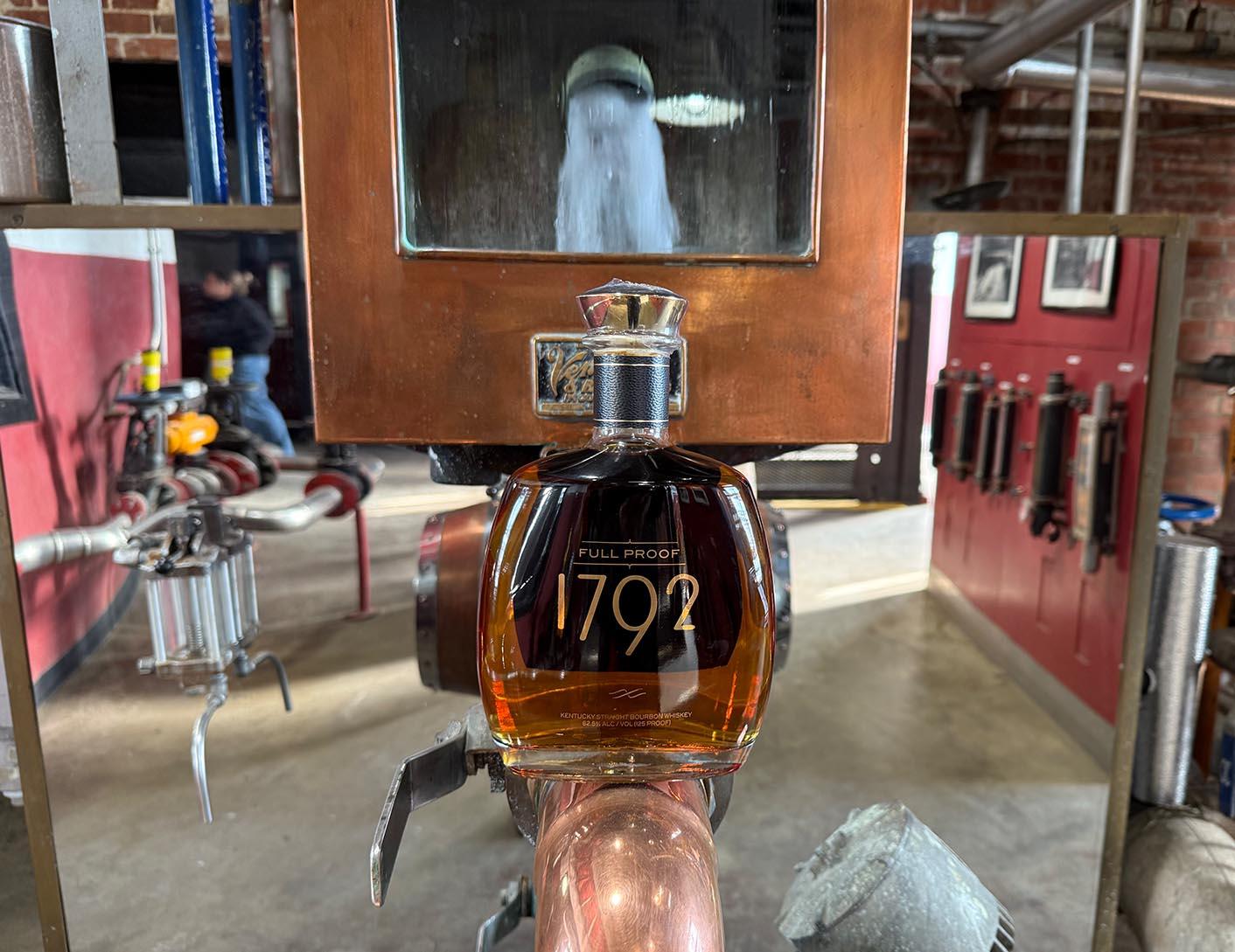
There are a few ways to look at it. It's always nice if I know people in advance, but I rarely get that opportunity. Knowing where barrels come from on site, I'm really able to deliver people different flavor profiles, and hopefully one of those fits what they're looking for. We have barrels that sit on top of a hill, and those that sit down in what we call them haulers, you know, valleys, and runs. Those barrels from different warehouses will age completely differently. If someone really wants an oakier, more mature bourbon, I'll pull a barrel or two from the top of a warehouse on top of a hill.
If someone wants something that has a little more yeast influence, we'll pull a barrel in the hauler from the top of the rick house. It's also always fun to pull sister barrels as well – two barrels that were aging either in the rick next to each other, and it was filled on the same day, aged and then aged next to each other for X number of years. I like to see if people pick up on that and what those two barrels were. Generally I enjoy pulling barrels from different parts of warehouses or different parts of the property, to give a selection group a full range of all things 1792 and how things age here so well.
Any closing thoughts before we go?
Barton 1792 is a very cool place where, as bourbon just continues to evolve over the years, we're evolving too, while staying true to our roots into how bourbon is made from all the way back in the 40s. Our fermenters are actually from the 40s, and our cookers are the same ones from the same period with some minor upgrades. Even our barrel warehouses are from the 40s and 50s. So it's pretty cool just to see us evolving and getting better at the consistency in keeping to our roots, but it doesn’t stop there.
While I love this brand because of the history and the legacy behind it, what I think is most impressive is how we continue to push this brand forward. In 2024, 1792 as a brand, won 168 different awards in whiskey competitions worldwide. This included being awarded as the World's Best Bourbon from the World Whiskey Awards for our 12 Year Bourbon, which allows us to say we are distillers of the world's best bourbon in 2024. This is a testament to our work to push forward with the quality, and seeing that recognition from the biggest critics in the industry of just the great work that's coming from the distillery. It has been a joy to be a part of this legacy, and build on the work of those before me who deserve a ton of credit. I look forward to introducing more whiskey drinkers to what we’re producing.