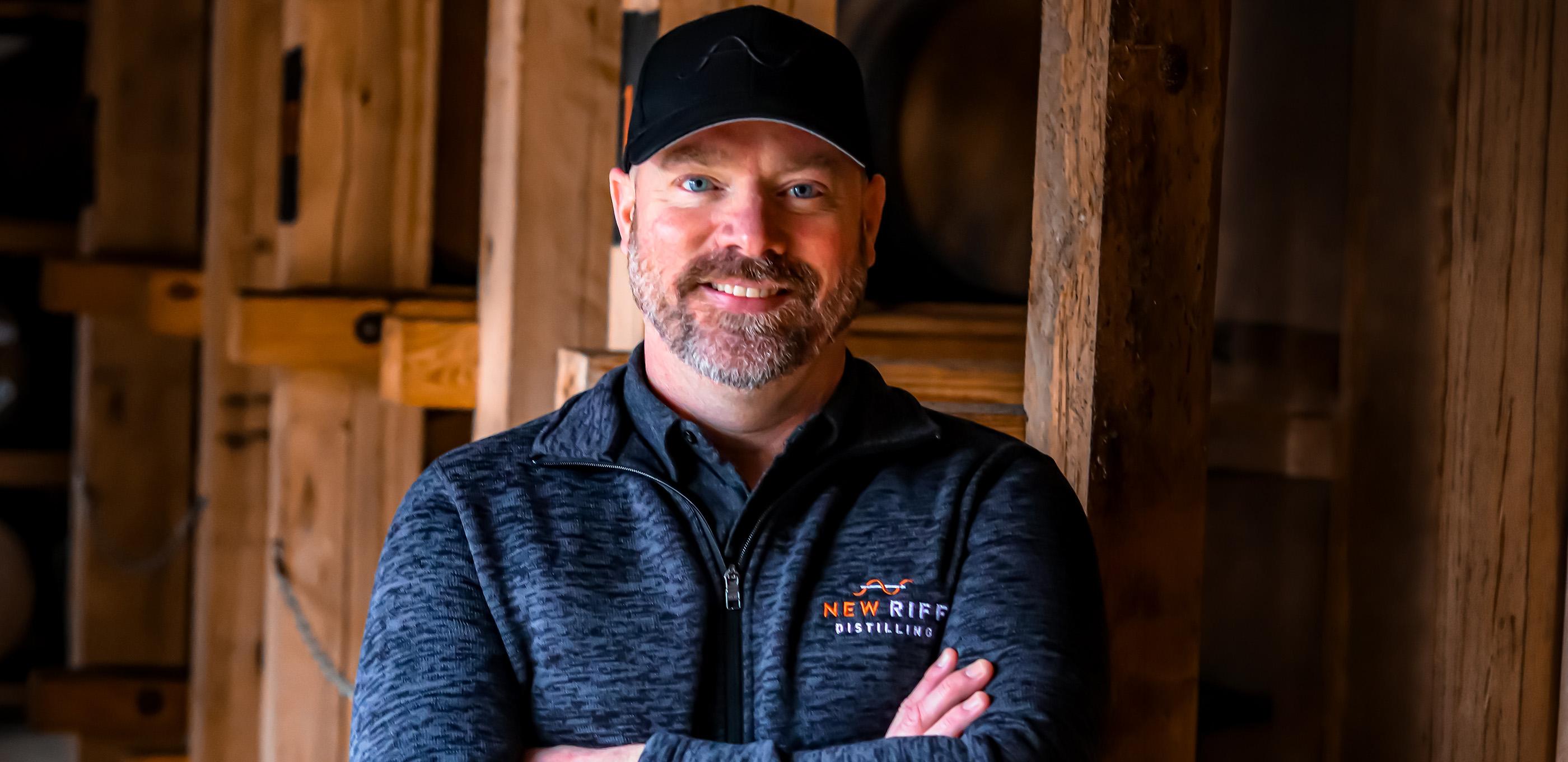
While there isn’t a singular clear path that leads into whiskey production, one that seems rather natural is a time well spent in brewing. True to its name in finding a new riff to an honored tradition, the brand leveraged the skills and know-how of its team, to establish a standard for bourbon and rye all its own. Bringing 15 years of experience brewing beer with him, Brian Sprance worked alongside this passionate team that distilled those first barrels of New Riff, guiding now over a decade of whiskey production. Join us as we explore the Brian’s work as Master Distiller, the early days of this craft distillery, and the vision for this work from the beginning that has created this celebrated brand of today.
What led to your interest and work in the spirits industry?
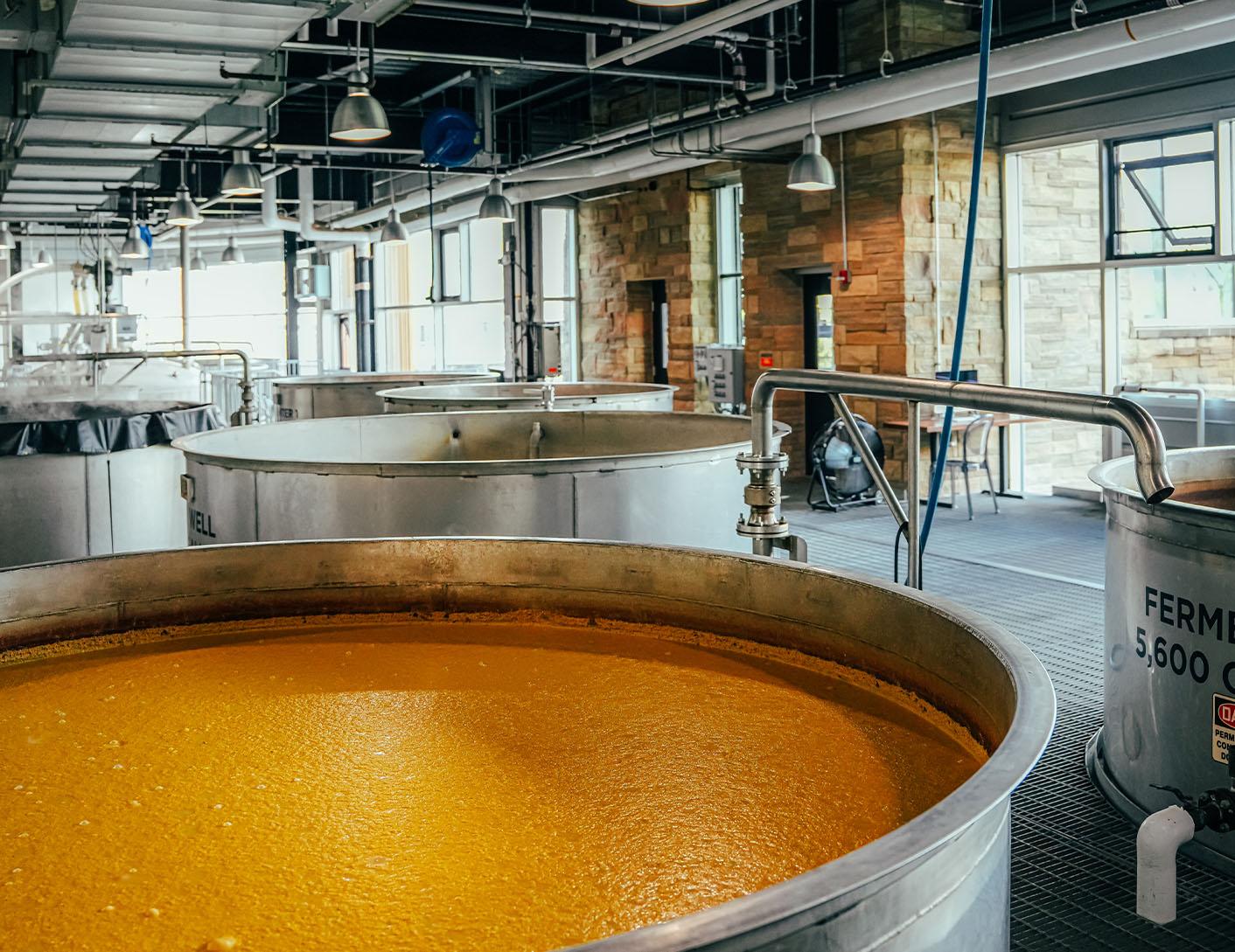
What led me to the whiskey industry wasn’t whiskey at all. I was not a whiskey drinker; and I didn't even really know the process of making whiskey. However, I was a brewer for 15 years. During the first nine years, I was with a smaller Cincinnati brand called the Barrel House Brewing Company, and then for six years after that, I worked at Samuel Adams. So, by virtue of this work, I was very familiar with what goes on up front in the whiskey making process, beginning with raw material selection and milling. Thankfully, I had a very very good understanding of fermentation. We worked with so many different yeast strains in the brewing industry as well, so I was very familiar with flavor development up front.
Lucky for me, Ken Lewis, who alongside his family owns New Riff Distilling, had a consultant, Larry Ebersold who had been Master Distiller over at the Seagram's Distillery in Indiana for about 25 years. He had just recently retired and started a consulting company, and his advice to Ken was to go out and find a brewer that understands flavor development and flavor profiles. Larry knew he could teach someone how to run the stills and things like that. But really, so much of the flavor created in whiskey is created up front, and he seemed to think, luckily for me, again, that brewers had a pretty solid understanding of that.
How did a brewer’s approach become a foundation for great whiskey?
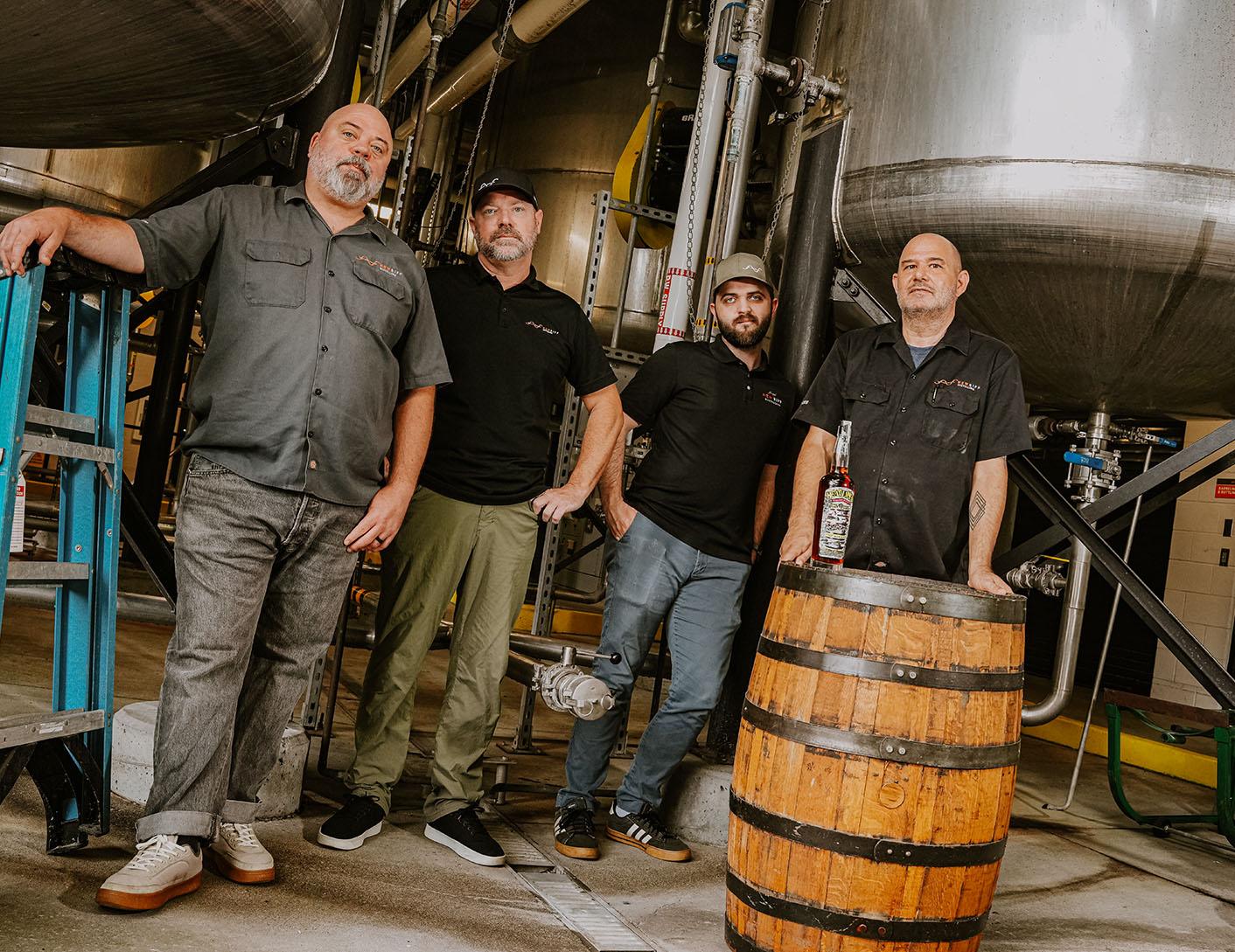
There was a group of about six or seven of us when the company started up, and there wasn't an ounce of whiskey industry experience amongst that entire group. While Ken Lewis did own one of the nation's largest beverage alcohol retail stores right across the parking lot from us, as far as getting into the actual manufacturing process, there wasn't an ounce of it being produced. I came through beer and serendipitously landed at New Riff where I found an amazing person in Ken Lewis that decided to throw me the keys to a brand new Kentucky bourbon and rye distillery, and away we went.
It was about a 15 year journey of brewing beer that led to starting with New Riff. I think another important point was that Ken and Larry also believed that if they hired somebody from a heritage distillery, they're probably going to come with not only some good habits, but probably some other habits that wouldn’t be advantageous to this distillery – there would probably be that inclination to make kind of the whiskey that they had learned at these bigger distilleries. Because of my experience, not only did I have no bad habits, I had no good habits. I had no habits at all, and really, I had only started drinking whiskey once I took the job starting up and running a Kentucky distillery. There's been a lot of organic learning on the job, not only for myself, but that's a pretty prevalent theme throughout the entire company.
How did you start to develop the initial direction and whiskey profiles?
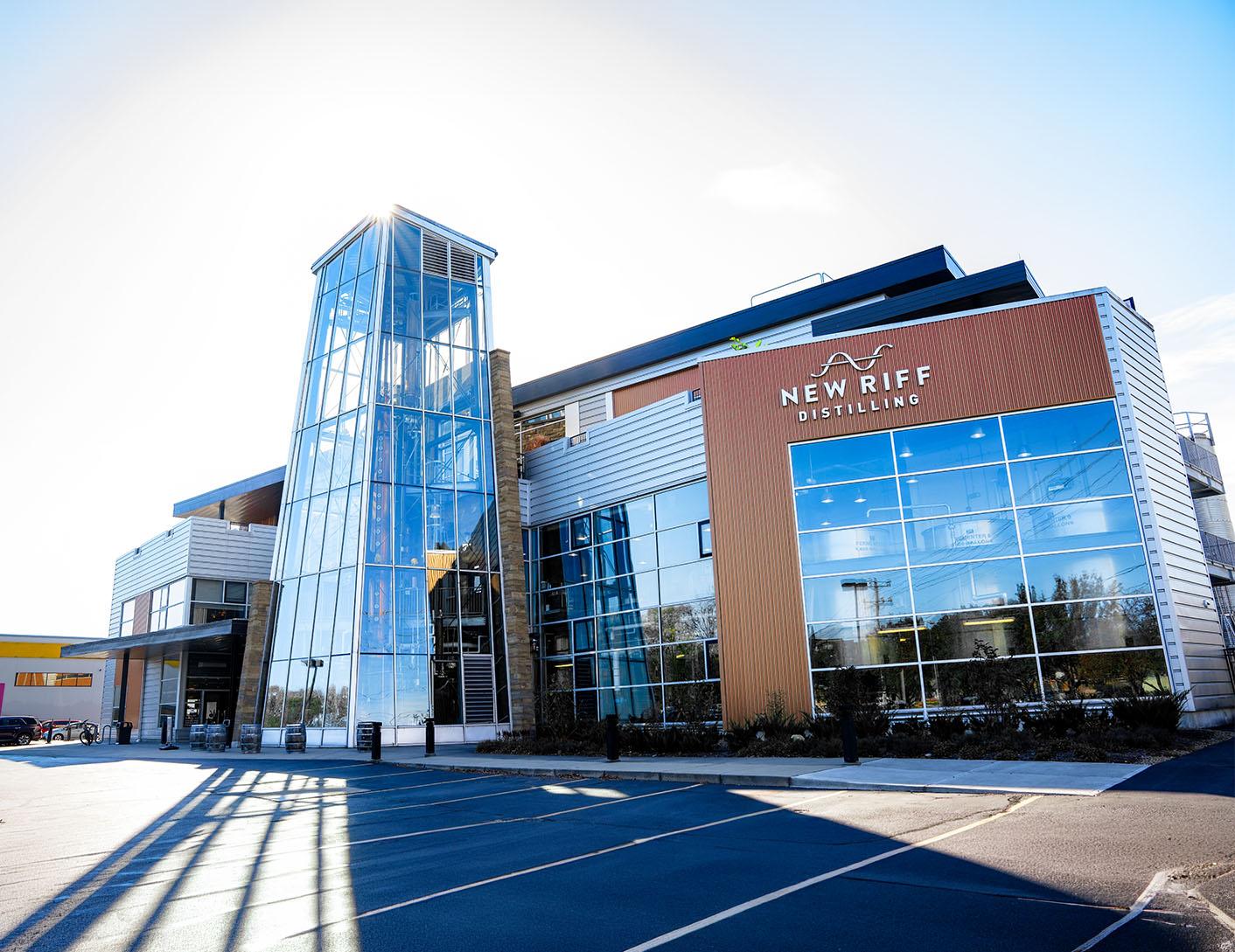
When we started the distillery up in June of 2014, we very intentionally started with two recipes. One of them being a bourbon, and one of them being a rye. Now I've written dozens and dozens of beer recipes over the years, but I hadn’t ever written a bourbon or a rye recipe. So, we sat down with Larry and described to him that we wanted to make more of a rye-forward, spicy whiskey, which was obviously what he was known for in his long tenure over at Seagram.
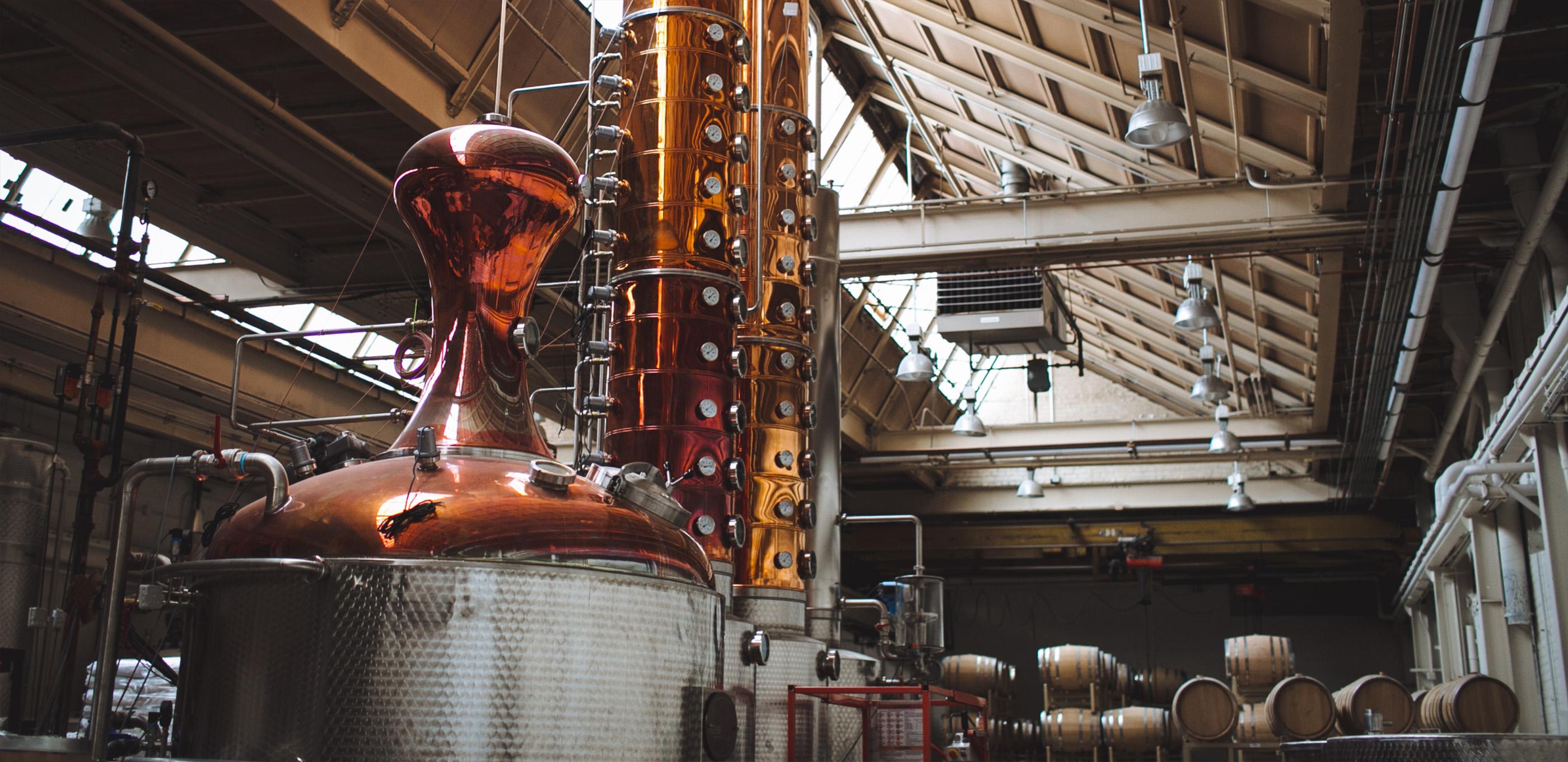
We really liked the rye whiskeys that were coming out of Indiana, so we thought we'd start with a baseline of bourbon and rye. So, we just started making those two whiskeys for probably the first four or five months, quite a lot of it as we were really getting into July and August of 2014. By that point, we had dialed in the flavor profile of our distillation equipment, and we're getting very familiar with how the distillery should operate. Quite a bit of this work was also playing around with proofs coming off our beer still, and into our doubler – for example, we typically come off now at about 120 off the beer still and 135 off the doubler. We just kind of slid that scale up and down and explored what it tasted like at 130 and 140 proof, or down to see what it tastes like at 115 proof. We also just used one barrel type, and then at the end of probably three or four months, we sat down and went through the library of all the distillate that we had made so far, and determined that we were very happy with the flavor profile that was coming out of Newark.
Again, there was no benchmark; this was a brand new, shiny hospital clean distillery. I think a lot of people when they go through distilleries kind of expect a certain broken-in kind of funk to it; that didn’t exist at New Riff, so it took a while to really figure out what this flavor profile was going to give us. We were tapped into an alluvial aquifer and had a lot of other things that we were just trying to play around with until we felt pretty competent in what we were getting out of our standard bourbon and rye profiles. This goes back to my background as well, being intent on establishing the building blocks for the New Riff standard Bourbon and Rye. Sure, we could do this a lot of ways, but once we got those locked in, and all that experience under our belt, we had a clear path forward.
Where did you take the whiskey from there?
I sat down and I was having a drink with Larry one night, and I said, "Hey, what's the favorite whiskey that you ever distilled? And one second of thought, he said, "we made 100% malted rye whiskey at Seagrams.” And then what he called the bean counters, the accountants got a hold of how much this whiskey actually costs to make, and they said no. Thankfully, I was always given the creative license to chase flavor here. It's not that we don't have bills to pay, and it's not important to watch your dollars and cents. But when one of the most respected master distillers in the industry tells you his secrets of how to run a distillery, and then kind of says, "Hey, also, this is my favorite whiskey”, we just felt it was kind of a natural progression.
So, that was the jumping-off point of making anything other than our core bourbon and rye, and immediately after we did that 100% malted rye, I said, "Well, we can make 100% malted rye, then we can probably make 100% malted barley.” So really early on in our history, towards the end of 2014, we had actually already started making some 100% malted rye and some 100% malted barley whiskeys. After we did that, we just said, let's just be thoughtful. I don't like the term “experimental” because I think at our core, we're very R&D based, not only on a lot of the experience that came out of brewing, but also in our learning a lot of things on our own by discovering what works in our individual distillery. So then we started incorporating different kinds of malted grains into some of our bourbon recipes, and then we started using some wheat. And then the ideas and iterations have only continued from there.
A lot of the whiskey programs that we have here have really just developed organically. And that's a credit to being a new distillery with the freedom to just try a little of this and a little bit of that to really dial in on what you like. Every year we still have a chunk of our production set back for anything that we like. If any of the distilling team or our distillery manager is interested in trying something, then we'll sit down and work it out. And if it's something that we really like, then we'll do it next year and maybe beyond. Whiskey takes so long to develop that we've learned patience. And as long as we're happy with the distillate and the idea that went into the whiskey, we'll repeat it.
What was it like to see this whiskey develop over time from the start of the distillery?
We were walking through the warehouse one day. I think we'd been making whiskey for about two years. I forget who we were with, but they said, "Why does that barrel have so many holes in the head?” We're like, "Well, because honestly, when we started up, we had zero patience, and we thought it was our job to know what whiskey tastes like at seven days, then at a month, and now we have to taste it at six months.” We were very eager and not very patient at all. But you know, whiskey will teach you patience. We are also incredibly lucky to really have a four-year target to work with – we didn't really ever have any plans of moving earlier, like seeing if we could do something in two years.
We were very much focused on that four-year because when we started making whiskey in 2014, a lot of people really didn’t understand where their whiskey was coming from. So when we came out in 2018 with our first whiskey, we thought the most authentic way to tell people that we had made this whiskey was by putting the bottled-in- bond designation on it. It’s a federal act, which clearly says these guys have made the whiskey, bottled the whiskey and fulfilled all of the necessary standards along the way. It's about as authentic and genuine of a stamp that you can put on a bottle to convey to the public that we indeed made this whiskey.
What has it meant to you just being a part of really the entire history of a brand?
It's been pretty incredible and fulfilling. It has been some of the most fulfilling, terrifying, exciting, and second guessing yourself through the entire process. I don't know at age 48 if I would have another distillery opening left in me, just because I know the 100-hour work weeks and stuff like that over time. But honestly, what I get the most out of is when I get feedback from family, friends, customers of ours, and fans of the whiskey sharing their excitement for what we have done. I think that our story does translate to our customer base – we're just genuinely authentic people that really put our best foot forward and tried to make the whiskey that we love.
And over time, we've won a couple pretty high profile awards throughout the years, and they're great when you're in the moment you get them. But what’s really great is when you get all of the feedback when you bring it home to the distillery, everyone is so excited and gets to share in these moments. A lot of us have been here since step one, and it has taken an entire company of astounding personalities at New Riff to really get all this whiskey into a bottle to the distributor, and into your hands. For better or worse, sometimes I do get to receive a lot of the credit, but I'm very quick to push back and say that this is very much a product of each of us at New Riff. 13 years in, it's been a very short and very long time in my life – it's been very fun.
Do you have any favorite projects aside from the core bourbon and rye that you have been surprised by?
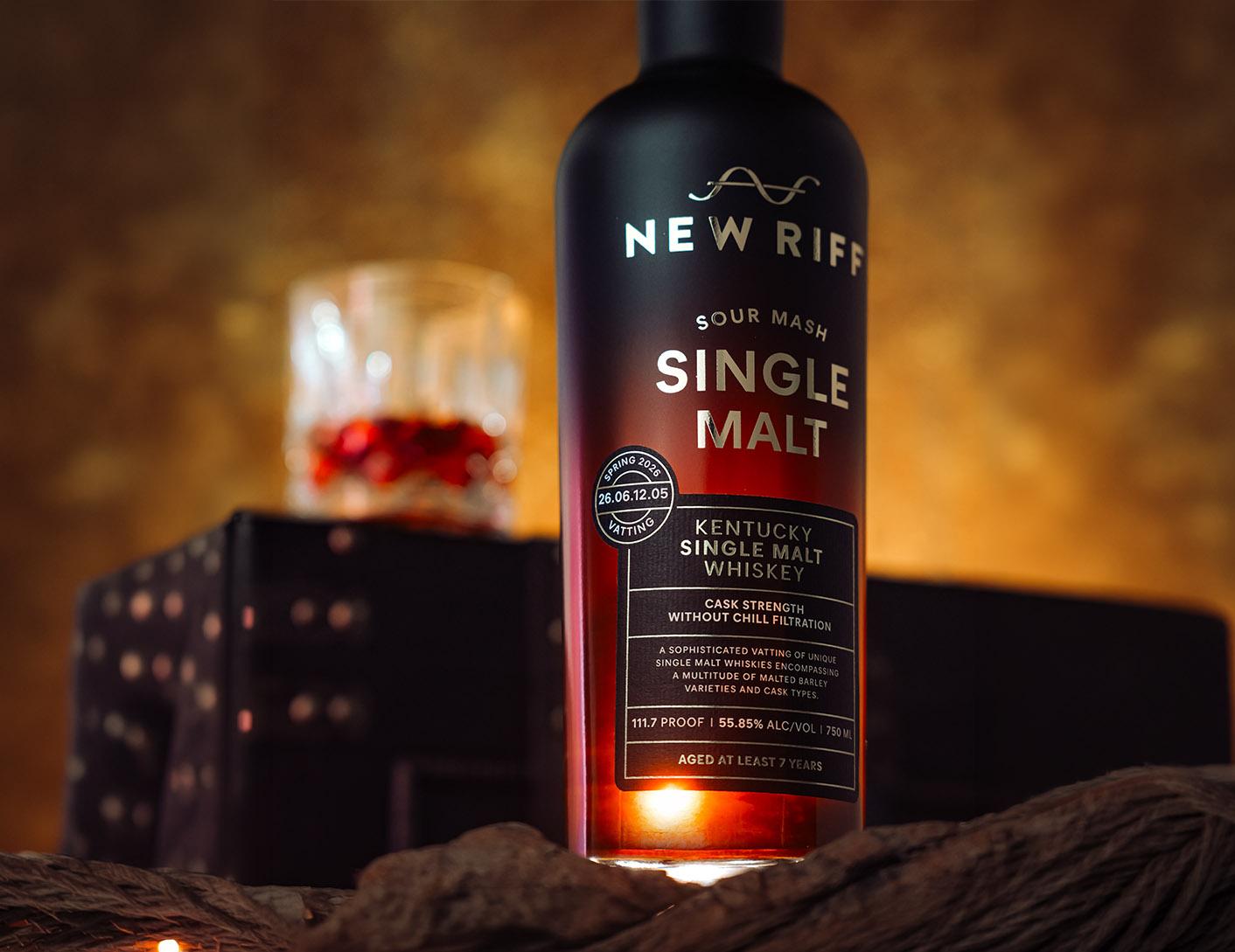
I think I previously mentioned making 100% malted barley whiskey again. Newer single malt is not going to pay the bills or keep the lights on, but it has been a passion project ever since we opened. When we started, we made one single malt whiskey and thought, okay, well that's it. But then I added another idea and another idea, and over the span of about 18 months after we opened, we had created five different malt whiskeys, and we joked that this was going to become a seven to eight year old project. Let's just keep doing this. What we ended up doing was creating the most intricate puzzle ever really done here – we had six different whiskeys that we always envisioned were going to be blended together, but we don't make things easy for ourselves at New Riff. So, of course, we used new barrels, and used barrels, we worked with a cooper over in Spain to get very fresh sherry barrels, and just kind of developed this big puzzle.
About seven years in, we sat in our sensory lab and looked at each other and said, "Well, I think we probably need to start figuring out what the heck we've done overall.” And another serendipitous moment was Ken coming in and saying, "If you guys think you need to go take a trip over to the UK and go over to Scotland and England, I know that's where all your heroes in Scotch whiskey are. If you guys want to go over there and get some feedback from them, I think that would be very beneficial to the project.” So we were able to go over, and spent time with John Glaser, formerly of Compass Box. We made it all the way to Islay and had tea with Jim McEwan and his lovely wife Barbara next to Bruichladdich. We thought we were going to go over there and get all this amazing feedback as to what to do with this whiskey, and then we just kind of come back and maybe tinker with it and execute it. But what actually happened was that the overwhelming feedback that we got was really more that they appreciated what we had done, and this was your whiskey to figure out.
We came back reinvigorated, and again got to work in the sensory lab. And the first year, we probably built 15 to 18 lab blends, just trying to figure out the balance because it goes from a very biscuity bready two row malt flavor to a 100% peated whiskey. And we had to figure out how to balance all these whiskeys on all these cast types. Being able to work on that project, not really knowing where we were going until we got to the finish line was super exciting. That's a sentimental favorite of mine. But we also have whiskeys in the warehouse that no one knows that we've made that are also super interesting. The marketing team sometimes keeps it a little bit quiet on some of these things, but we're such an open book that if you ask me, I'm going to answer most of the questions. The single malt will continue to be an outlier in our portfolio.
Where do you feel like New Riff kind of fits within the conversation of whiskey?
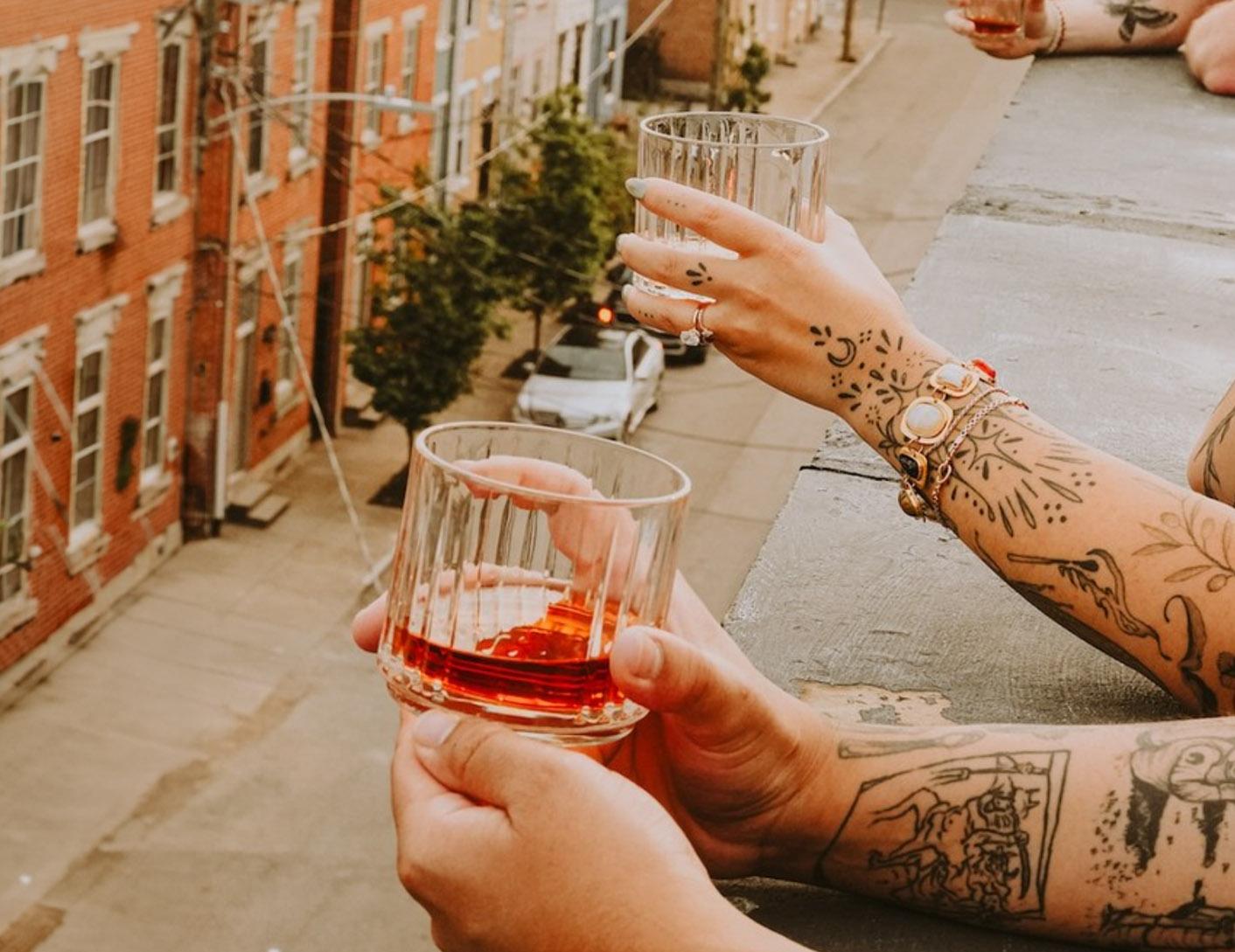
I think we're definitely considered part of the new wave of what they used to call craft distillers. When we opened in 2014, we were kind of a weirdly sized animal. I tell a lot of people we consider ourselves a really big-small distillery, but also a really small-big distillery, if that makes sense. I think we are the perfect size for really focusing on and producing traditional bourbon and rye. But also, our fermentation capacity allows us to do a bunch of different things. We're also independently owned, which is kind of becoming a very rare thing in the world these days.
And that independence has allowed us the freedom to do what we wanted to do. We never wanted to chill filter whiskey, for example, because we were always of the opinion of why would we work so hard to create all these flavors if we're going to strip them out? We don't really care if the whiskey gets a little cloudy if you put a little too much water in it. I would hope the takeaway is that people respect the chops that we have in traditional whiskey making in Kentucky, but also that we do have a very kind of forward-thinking approach to what bourbon and rye really can be; I like to think that we have a little something for everybody.
Do you have any favorite rituals or routines that you use as you're kind of going through your day to day?
The routine when I step into the distillery every morning is usually: Is everyone awake? Is everyone safe? Is everything running? And then typically the first thing I do, and I know it sounds a little weird, as you're walking in punching the time clock, but I will literally walk over, grab a glass, walk into the still house, and I will try the distillates. I'll try the new make: the low wine coming off the beer still, and the high wine coming off the doubler. It just gages where we're at and sets the direction for the day. After that, it's onto my morning rituals. I'm sure most of us have something like that; sitting down and looking at this thing, and answering a lot of emails and stuff like that. From there we move onto sensory; it’s done in the mid-morning.
I won't say that scientists have proven it, but your palate tends to be a little bit sharper in the morning. After you've maybe had breakfast or you're a little bit hungry, it seems like your palate wakes up a lot more. So we'll actually sit down and do a sensory session from 10:30 to 11:30 every day. And we have a ritual there as well – Every barrel that we've ever pulled for a sample, we typically have pulled a 200 mil sample, but we don't need 200 mls to do all of our sensory. So we literally have an old beer keg where the remainder of the sample bottle is poured, and we've been doing that since 2018. It's kind of a solera of everything that we've ever made, bourbon or rye-wise. It's kind of a ritual, but that's what we use as our control to set our palate. That way, whenever we're tasting, whatever we are tasting, on any given day, we have a little bit of DNA from every single thing that we've made.
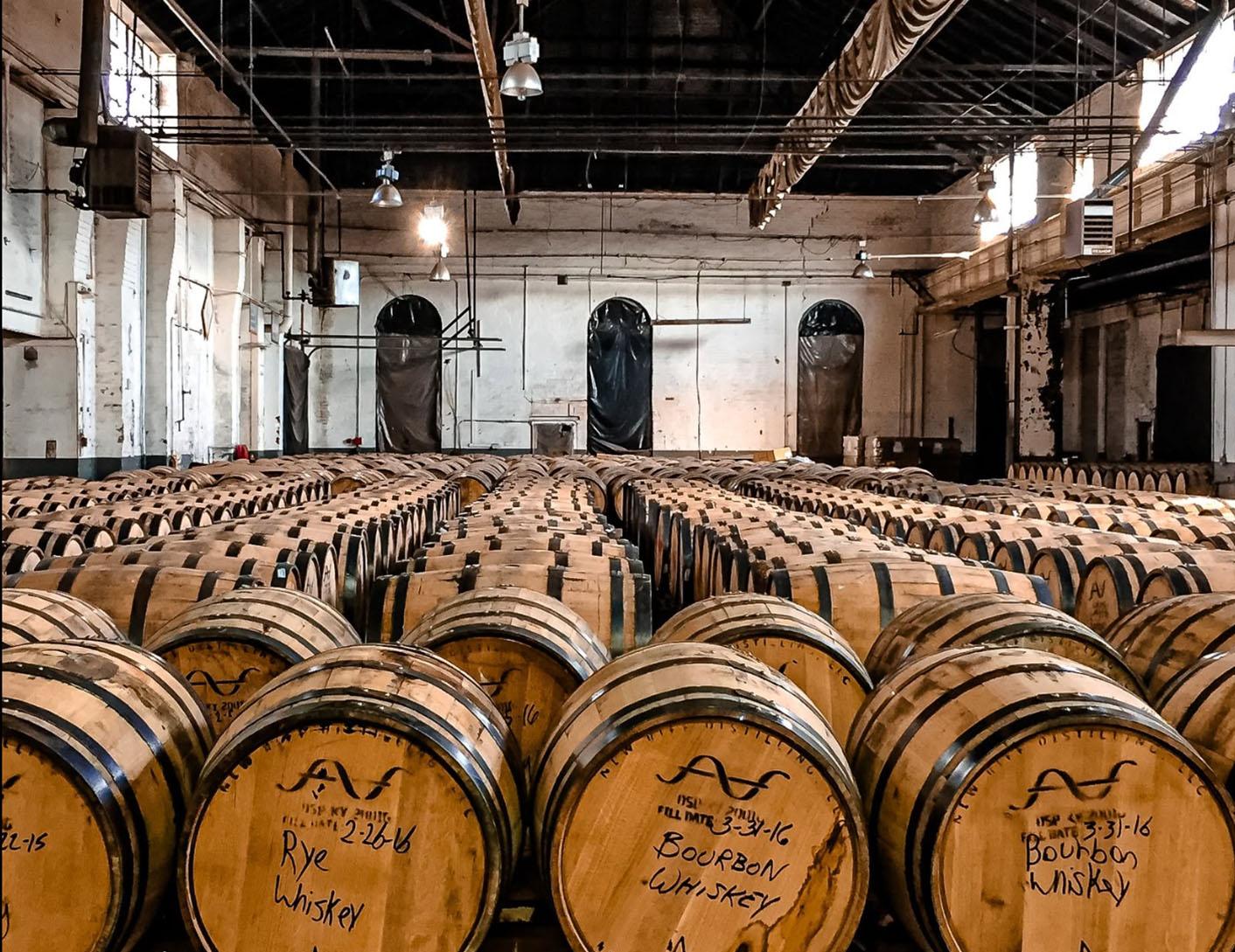
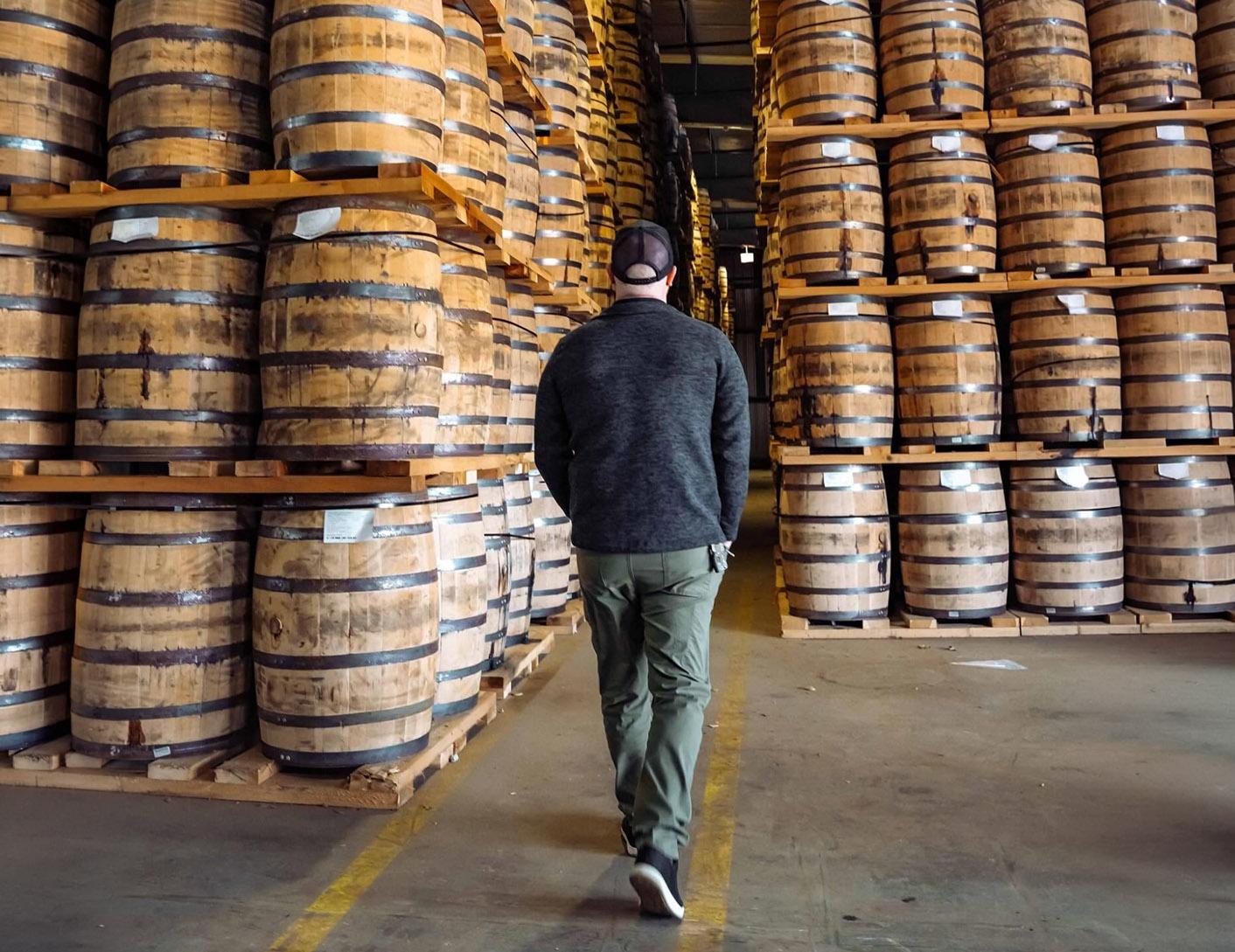
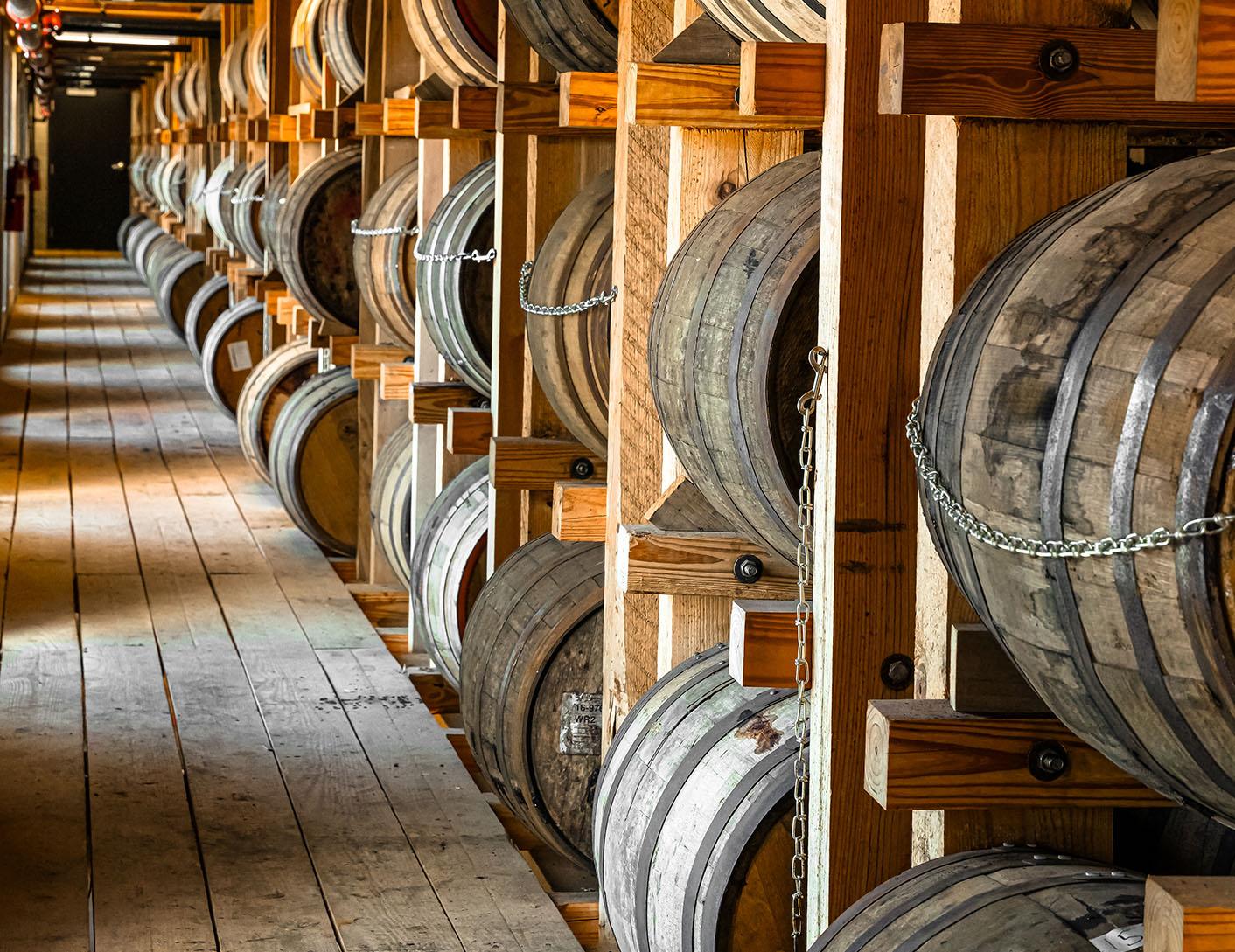
Lastly, I don’t know if this would be a ritual, but honestly, it never gets old – walking to a rickhouse, and you just stop and take it all in. We have several kinds of warehouses, some are palletized, and then we have a more traditional rickhouses. But the sheer enormity, the smells, whether it's super cold or super hot, you just can't help yourself. You just walk in and just take it all in and go, “Wow, this is pretty cool.” When you're around that stuff so much every day, you kind of forget really how cool it is.
What type of music gets played around the distillery?
Just as we were talking about rituals, a lot of them are focused around music and what gets played when certain whiskeys are made. Our 100% malted rye tends to get Mastodon or stoner rock type stuff – it seems to do well with that. There's a lot of mid 90s West Coast / East Coast hip hop being played. There’s also a good amount of West Coast punk rock played as well. Really, anything from Hank Williams, to our maintenance guy loves the Beatles, and we let him touch the channels every once in a while. Most of the distillers are kind of my age, but then there are some that are 25 to 30 – they don't get to touch the radio – you haven't earned the control. But then, I've been walking around here before, and I'm like, is someone listening to Cher?
If someone is just starting to explore New Riff, where should they get started?
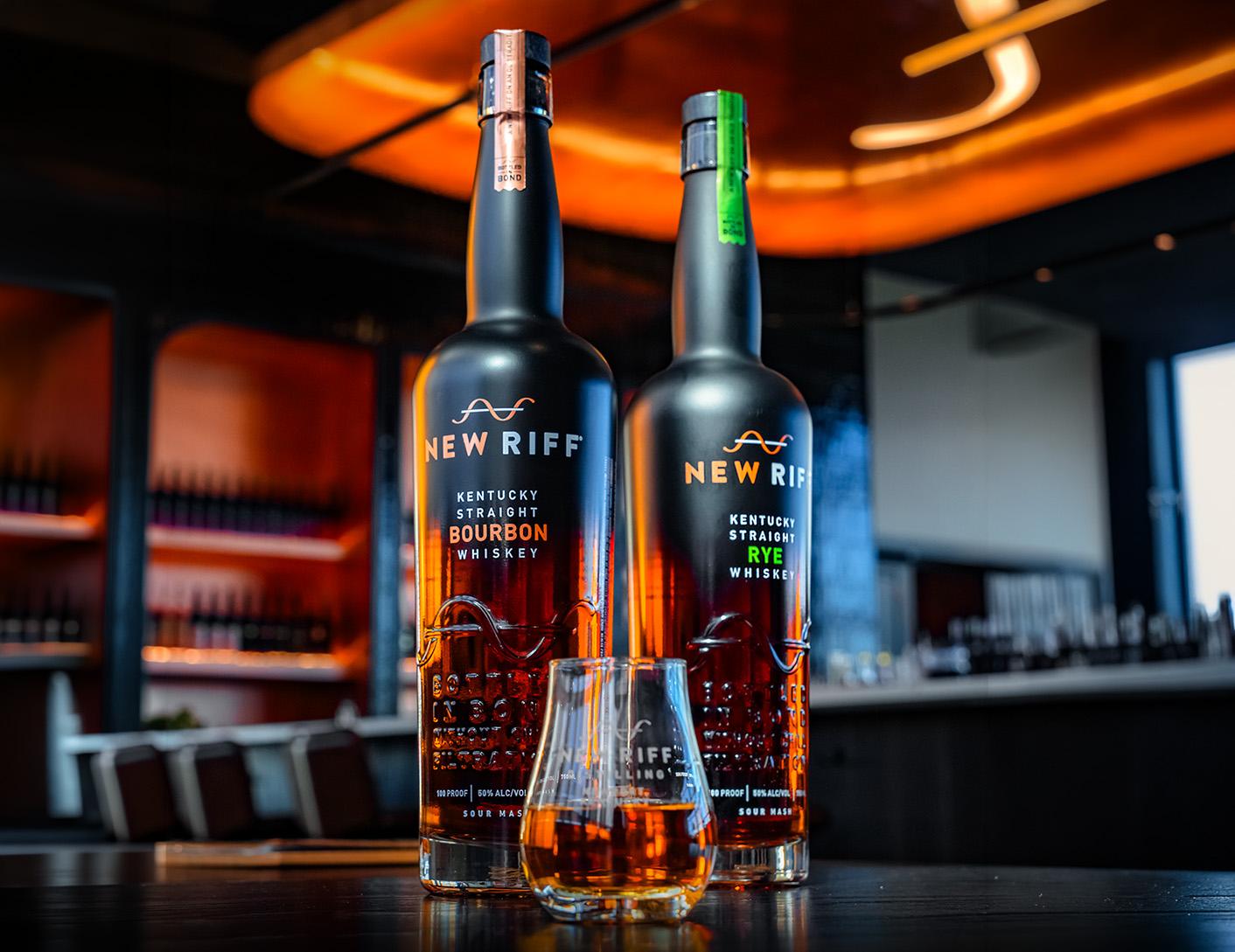
If you're new to the brand, for me, the obvious starting point would be our four-year-old Bottled-in-Bond. That's the first whiskey that we started making here, and it’s the first whiskey that we released. It's that stamp of the flavor profile of what you're going to get out of New Riff. It's citrusy, it's spicy; it opens up your understanding for why we always called ourselves a rye-centric distillery, and we really did celebrate and incorporate so many of these spicy elements in the whiskey. Then I would probably take a quick pit stop at a Single Barrel just to show you what an elevated proof does to our whiskey. And then the next step would be to try our 8 Year Old Bourbon – it’s obviously the very same whiskey that we made available at 4 Years Old – the only real difference is that it's not a bottled-in-bond product because we only saved a third of each year's production back, so it was hard to work within one single distilling season.
We still kept it at 100-proof to showcase the impact of longer maturation of our whiskey. While our whiskey is citrusy, and spicy at four years old, that's all rounded out into a more mature oak profile, not as citrusy anymore, but I feel like the wood spice permeates the flavor a little bit more. As you get into 10 Years Old these flavors will continue to evolve and can be enjoyed side by side. It just tells the story of our whiskey, from 4YO at 100-proof, then at barrel proof, then showing what twice the amount of aging does. And then once you start getting into double digits, that's where I think people are really excited and have been waiting just as long as us to see what our whiskey is like at 10YO.
If you asked anyone at New Riff what their favorite style of whiskey was, they would probably say Rye Whiskey. I would guess that 80% of all the employees here drink rye whiskey before they drink bourbon whiskey. So, I would take those same similar steps through our rye portfolio as well. Work your way up the ladder of both bourbon and rye, and then I think once you're familiar with the brand and you have learned a little bit more about our history, then that would probably be a good time to fan out and try some of the other things that we have out there, like the 100% Malted Rye, which has a six year age statement, so it shows you where that newer flavor profile lands at 6 Years Old. We also have a couple whiskey club releases every year, which allows us to go into the warehouse and pick some of these things that didn't necessarily have a home, but were still projects that we really enjoyed working on as well.
What Inspired a Top Floor Bar with a type of New Riff Whiskey Library?
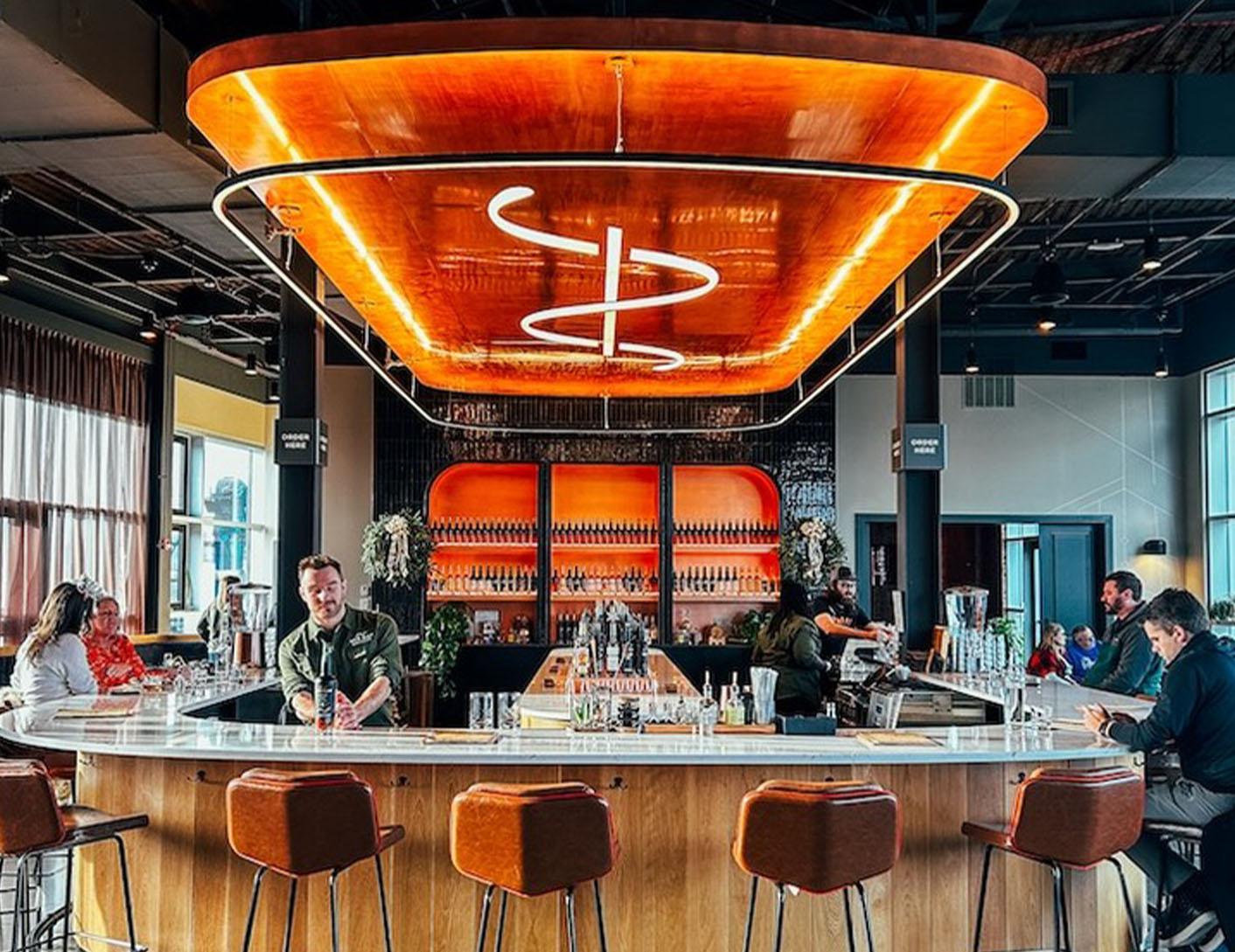
Great whiskey takes a long time to develop, and we've just had to learn patience. But as we began releasing whiskey starting in 2018, a big piece of this work was that we wanted to hold a third back of our standard production. And we also had some special releases early on. We never really knew what we were going to do with them; we just knew we didn’t want to have any batch be gone. We always wanted to hold on to some of the DNA of some of the things that we've only made one-offs of. Then, for better or worse, COVID rolled through, and it pretty much gave us the opportunity to get out of the event game, and at that point I think House Bill 500 passed and that opened up more options of how you could serve customers in Kentucky in particular.
We brought a hospitality director on, Catherine Manabat, and she's an amazing mixer of cocktails. And our team makes amazing drinks, and they're really careful with how they treat the whiskey in cocktails – they want to always make sure that the whiskeys or the cocktails are very whiskey forward. Building a true experience, they change the menu four times a year, and we're just so pleased to be around their creativity with what they're doing with the whiskeys, and to have this outlet for everything that we have. For instance, we actually made an apple brandy around seven or eight years ago, but we didn't know what we were going to do with it. Now you can go upstairs and have a cocktail made with that apple brandy.
When you are pouring yourself something, what are you enjoying? Do you have any favorite beers?
I'll answer the beer question first. My favorite beer, probably of all time, is Sierra Nevada Celebration Ale. If you've never had it, you’re missing out – I think I love that beer. A very, very close second is Orval, it's a Belgian Trappist pale ale – they're in a little tear-dropped shaped bottle. It'll take you 10 minutes to pour, but it's definitely worth it. But those are probably and have been my two favorite beers.
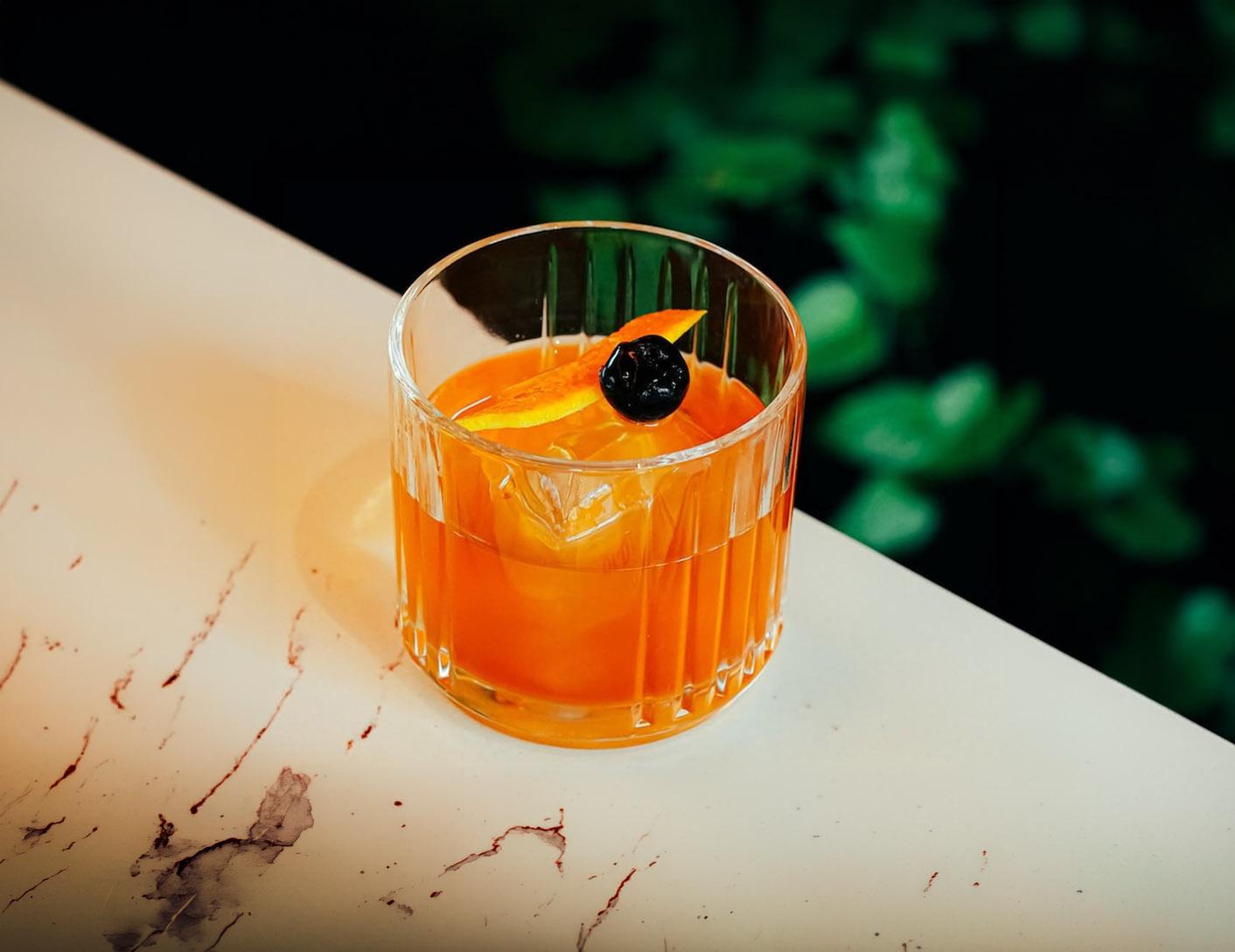
If I'm at home drinking whiskey, it'll probably just be with a big ice cube, and I have a couple pours over that as it melts. But if I go out into the world, I love having our whiskey made in cocktails, because while I can probably make a couple of traditional cocktails, like fumbling my way through a Manhattan or a Paper Plane, it’s fun to see what other people can do. I love the creativity that people are able to show when they're making cocktails. And so whether it's going upstairs here at the distillery or going out in the town, I just love having our whiskey made in cocktails by just super talented people.
What is your approach to picking great single barrels?
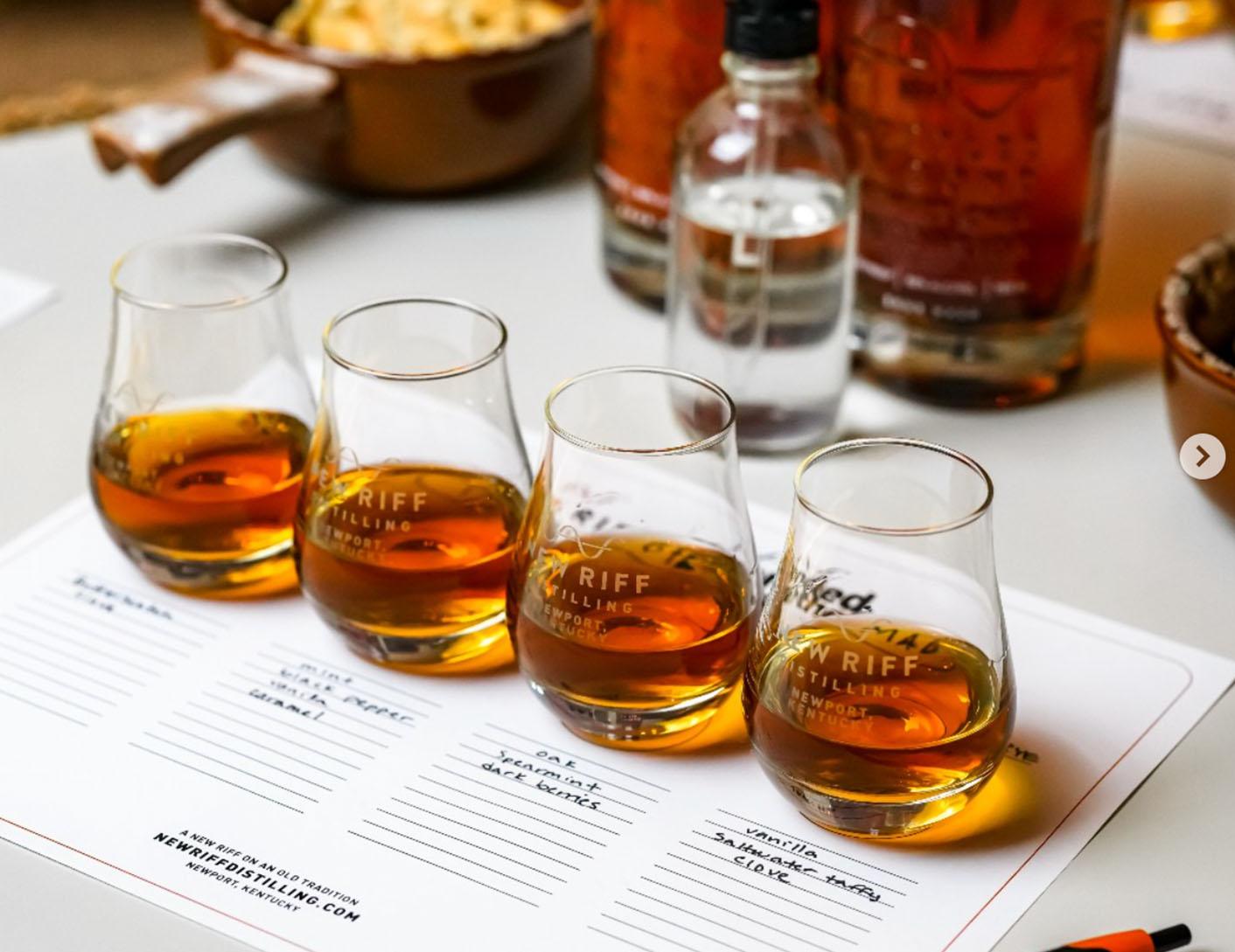
At the end of each month, we look at our inventory, and it doesn't matter what the age.. If we're looking at four or eight barrels, whatever it is, we will go through and sample each lot a number of times across three or four barrels out of each lot – for context, a lot at New Rift is 12 to 14 barrels, and we have a barrel matrix that we've used for quite a while now. So, in every batch that we fill, there's always going to be three different types. We think that those three different barrel types are easily identifiable to us because we're so familiar with them. But one of the barrels tends to give more of a cedary note as to where another one is much more of a traditional one, and then we'll get another one that kind of has a slight smoky profile.
We will go through and smell each of the samples; 95% of the sensory work that we do is with our nose, and literally 5% of it is then tasting it. We don't necessarily look for the super sweet barrels or the super spicy barrels. We just work our way through them until we have that moment where we say, “that is a really good barrel.” And honestly, I know it probably sounds like it's a very simple approach, but doing the sensory work at this point is a representation of the quality of raw materials that we use, the consistency in how we were cooking and distilling and everything else, and all of our upfront processes are so dialed in now that our whiskey. After 12 years of making whiskey, it is so consistent.
And all of this takes place as we identify compelling barrels for blending. We may go through, and then out of that lot, there might be a pretty spicy barrel. Or maybe we'll get barrels that don’t quite jump out at you. But if you take the first barrel and then you blend that second barrel, those two barrels together will probably be good in a Bonded blend or something similar. We’re so consistent now up front, even down to the barrels we’re receiving from our suppliers, that often we don't even touch them for four years now until we try them. The nice thing about the sensory panel, is that everyone has different favorites, knowing that some might be blind to a certain flavor, or super sensitive to a certain flavor. While I don’t have a magic wand to make it all work, it is because of all of these preferences that the magic truly happens.
Are there any closing thoughts before we go?
I would just encourage everyone to come up and visit us. Newport is an amazing place. We're very close to Covington as well. If you come here, you can experience an option of three different types of distillery tours, and we also host tours over at our barrel campus. There's also, as mentioned prior, the Aquifer bar, which hosts such an incredible program of events, including one called “Blend” where people come in and we give you three different barrels to work with – It’s a fun interactive way to explore our story. Whether you fly into Louisville and drive over, or come into Cincinnati and drive across the river, this can be a perfect destination to see what an independent Kentucky distillery looks like.