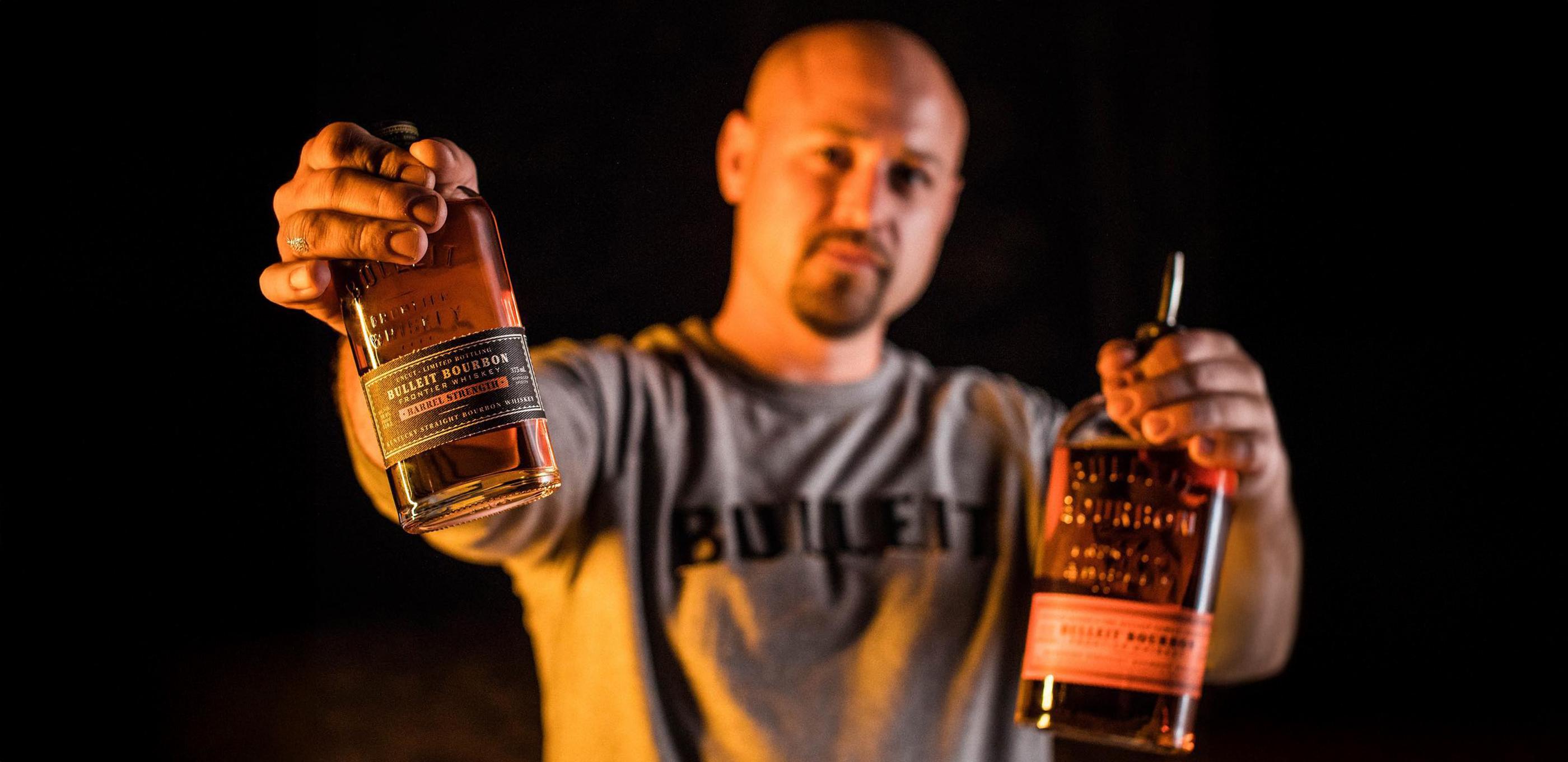
The journey of a brand ambassador typically comes with several turns and an endless range of stories. In his work leading to his current role as Bulleit Cultural Ambassador, Kyle McHugh developed his approach to spirits and cocktails by working in the food and beverage industry across the country before finding himself on the West Coast. With the help of some incredible mentors, and by his own focus and drive, he now represents a brand that aligns beautifully with his own vision. Bulleit Frontier Whiskey has been transforming the scene at some of your favorite bars, and if you’ve ever met someone across the bar from Bulleit, it just might have been Kyle. We sat down with him to learn more about his journey, his work, and what inspires him.
How did you get your start in the spirits industry?
Like most, I didn't know what I was going to do. I grew up as a military brat, with my mom in the National Guard and my dad in the Army. They split when I was three, and I didn't see my dad as much in the beginning, because my mom lived in LA and my dad lived in Kentucky at that time. I was born on the border of Kentucky and Tennessee at Fort Campbell, so it truly has come full circle, working with George Dickel Tennessee whisky first and now Bulleit. Growing up, I went to a lot of different schools, I moved around a lot. I went to three middle schools and four high schools. Through that experience, I had to meet a lot of people, so the social aspects of the service industry came somewhat naturally.
When I was living in Atlanta, Georgia, I started working at a place called Taco Mac, where they had over 130 beers on tap and in bottles. I worked almost all positions within a bar and restaurant, working my way through different levels and styles of bars. But it was when I got into casual fine dining that I was introduced to hospitality and service and had the opportunity to talk to a chef – she would take the time to explain a lot of very useful things. I was managing a sports bar while also bartending at a casual fine dining spot. Right around that time, my mom was diagnosed with MS. This was what brought me back out to California. It was hard to get a job when I first arrived back home. “Wrong time of year for hiring,” or “overqualified” were the things I was told when applying. I went from managing a bar and bartending an Industry Bar to working a 10-table section at the Spaghetti Factory getting $2 left under the saltshaker from a 10-top on a busy Saturday night. It was educational and very humbling.
How did this lead to you getting to experience a range of brands?
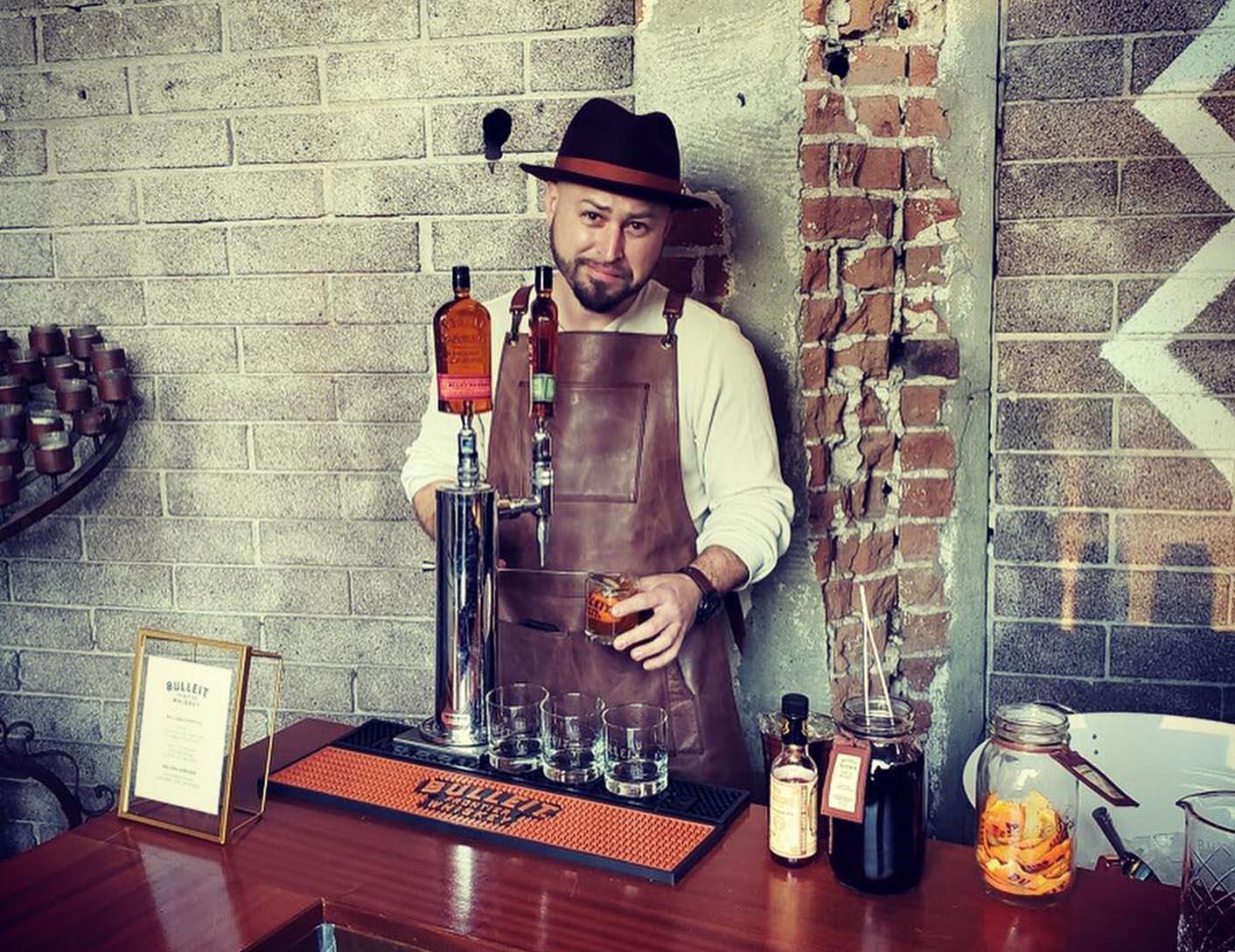
After a six-month stint, I walked into a place by the name of Crush 29 - this is where I met two of the first most influential people in my journey Jason Haakma and Jeff Camp. One is a head bartender and now my best friend and the other is a distributor who I truly felt every distributor should learn from. I dove headfirst into cocktails, and more specifically, fast-paced craft cocktails. After some time, the place went under from the constant decline in business after the crash in ‘08, before it completely went under, I was scouted by a manager from Ruth’s Chris Steakhouse. They were about to implement a happy hour for the first time. They were interested in me coming over to help their tenured bartenders who are used to high pay at a low pace to implement a more high-volume way of working that comes with $7 craft cocktails served during a happy hour.
They needed someone who could work in a fast-paced environment at a high hospitality level and help the team evolve. There were a lot of 15 and 20-year veterans. They were not exactly looking forward to it. This direction wasn't well-received at first, but I made some great friends and ended up staying for five years. Our Ruth’s Chris had one of the Top 100 Wine Lists, seeing that we were so close to Sonoma and Napa Valley. One of the advantages was that we’re often invited out to Napa for industry tours. I might have visited a little over 250 wineries over the period I worked there. The wine makers and their stories were my favorite part of those visits. This gave me the ability to talk about the wineries and these experiences in detail behind the bar. I really enjoyed those conversations.
I remember someone telling me at some point, all the bottles behind the bar are a geography. All have a history, story and come from different places. So, if you learn that geography, it'll make you better equipped to have an even better experience with the guest at the bar. We had a lot of Diageo products in the bar at the time [Bulleit Frontier Whiskey and George Dickel, among other very popular brands] – our well was pretty much all Diageo which also came full circle – that was most likely due to our national bar director who was previously employed at Diageo, so she was very familiar with the brands. I was truly able to experiment with a range of brands and spirits while I was there.
What did it look like to transition representing a brand?
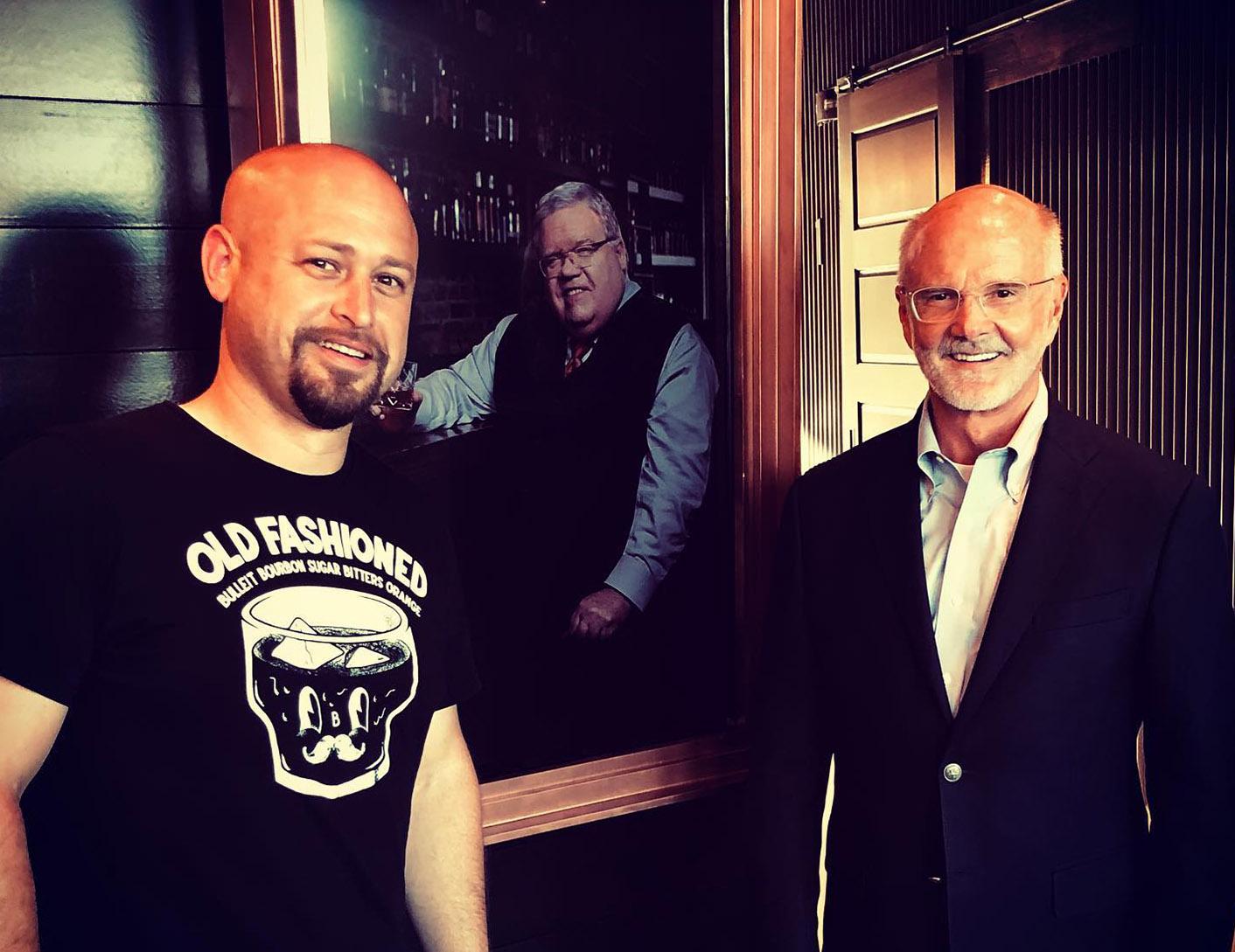
The distributor that I had originally met at Crush 29 also called on me at Ruth’s Chris. He would encourage me to go through different spirits with cocktails that really moved. This gave me an opportunity to start playing around with spirits even more. Then I started getting invited to different events that ambassadors were hosting. That's when I first discovered what an ambassador was. But most of all, it was the events where there was a cocktail competition that I really dove deep into.
There was one at Sienna Restaurant in El Dorado Hills – it was a Bulleit competition, and one of the judges happened to be Steve Beal. At the time, I was still pretty green; I didn't know who Steve was, I wasn't aware of Tales of the Cocktail, or even the United States Bartenders Guild (USBG) – I was still in my own little local bubble. I went hard at this cocktail competition. I created a cocktail I called the Frontier Eclipse. I took a 1.75L bottle, and I smoked all the judges’ cocktails inside of an empty 1.75L Bulleit bottle, set up lights behind it so the smoke inside would light up. That competition I came in second behind Chris Dooley. He was great and had a very dialed-in World Class competition style. After this competition, Steve Beal approached me. He mentioned the USBG amongst other industry opportunities, and he kind of took me under his wing. To this day, he mentors my growth in the industry.
How have you found ways to grow within the industry?
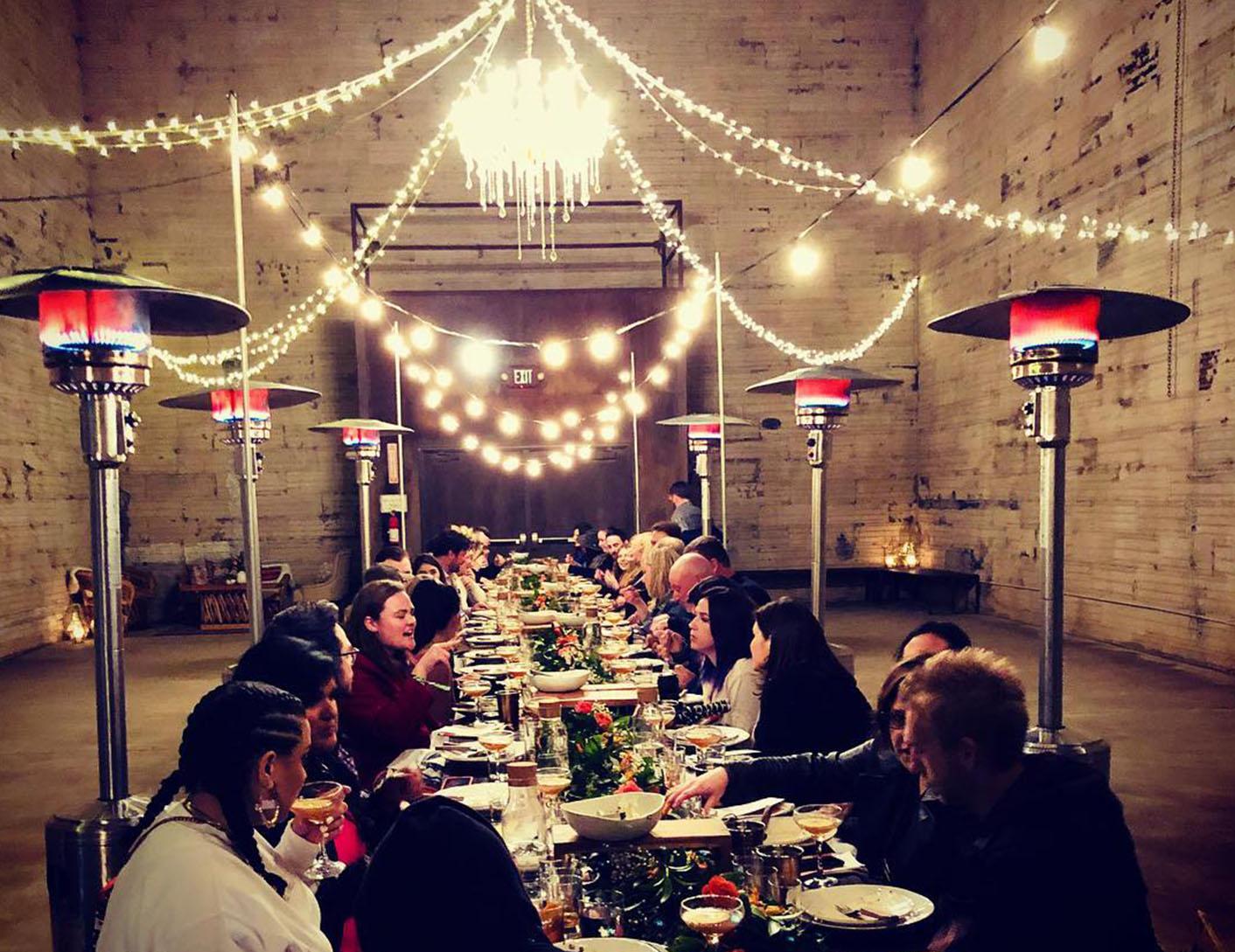
First and foremost, finding mentors at different stages of my career - like Steve Beal - was paramount. He’s always said that there are three things that you need to make sure you do: be punctual, respond and follow through. Lastly, remember that you're always learning and growing. Being introduced to the USBG, where I became the chapter President, was also very helpful. It helped me network and meet everybody in Sacramento and surrounding areas. I would become immersed in that world. As an extension of that network, I may have maxed out my credit card a few years in a row, traveling to Tales of the Cocktail.
The networking and education there was critical in my journey. I really saw what I spent as tuition. Early on, I went to three seminars a day, just to learn as much as possible. Coming back from Tales, I leaned on these new networks and things I had learned to keep this growing. When I wasn’t out, I was home with an always expanding library of cocktail and whiskey books. I read about so many different bartenders and bars, trendy new cocktail techniques. Excuse the pun, but it was intoxicating for me to have something that I was that passionate about and had that much access to.
How did that evolve into your current role?
I continued to go to events, including those hosted by the Ketel One Society [seminars where bartenders of all skills can learn, share experiences with their peers and celebrate industry culture]. I met Travis Tucker, who had just come on as a Ketel One Ambassador, following Nicole Hart. I met Luis Navarro from Don Julio and Robert Gonzalez from Zacapa. They were hosting different events such as pairing dinners around the region.
Following those early interactions with those ambassadors, Robert Gonzalez reached out and asked me to pick up some guest bartending shifts at the Diageo office bar. I would go over there every now and then to host that space for bartenders in the city. This is where I first had the opportunity to connect with Tony Lavin and David Porter who were with Diageo. Around that time, Steve Beal had reached out and asked me if I was interested in becoming an ambassador. At first, I was hesitant because I didn't really want to give up working with all spirits. Steve really came in as a mentor at that time, sharing his insights into how this next step could shape my career through training, networking and broader exposure. I shared my resume, applied, and went through the interview process. Honestly, it was the interview questions that intrigued me to want to take the job. They were thoughtful, challenging, and showed an intentional focus on developing great relationships. I eventually accepted the role as the San Francisco-based Master of Whiskey with a focus on George Dickel.
Onboarding, I learned about all 98 whiskies within the current Diageo portfolio with a more in depth focus on George Dickel. I fell in love with it: the education, the family vibe of the team, meeting everybody and the excitement of going to work. For me, it was truly about helping the bars from this side of the business. I transitioned from the MOW program to working with the Diageo Reserve team [Diageo’s luxury spirits division featuring premium, high-heritage brands focused on craft and rarity] for some time i was working with multiple brands such as Ketel One, Tanqueray and Johnnie Walker before I got the call that there was a first ever Bulleit Frontier Whiskey Ambassador program. To me, Bulleit was all about the bartender – the packaging was beautiful and the liquid was great, but it was more about the connection the brand has with those behind the bar that I gravitated to. It has been an amazing journey ever since.
What are the core aspects of your role right now?
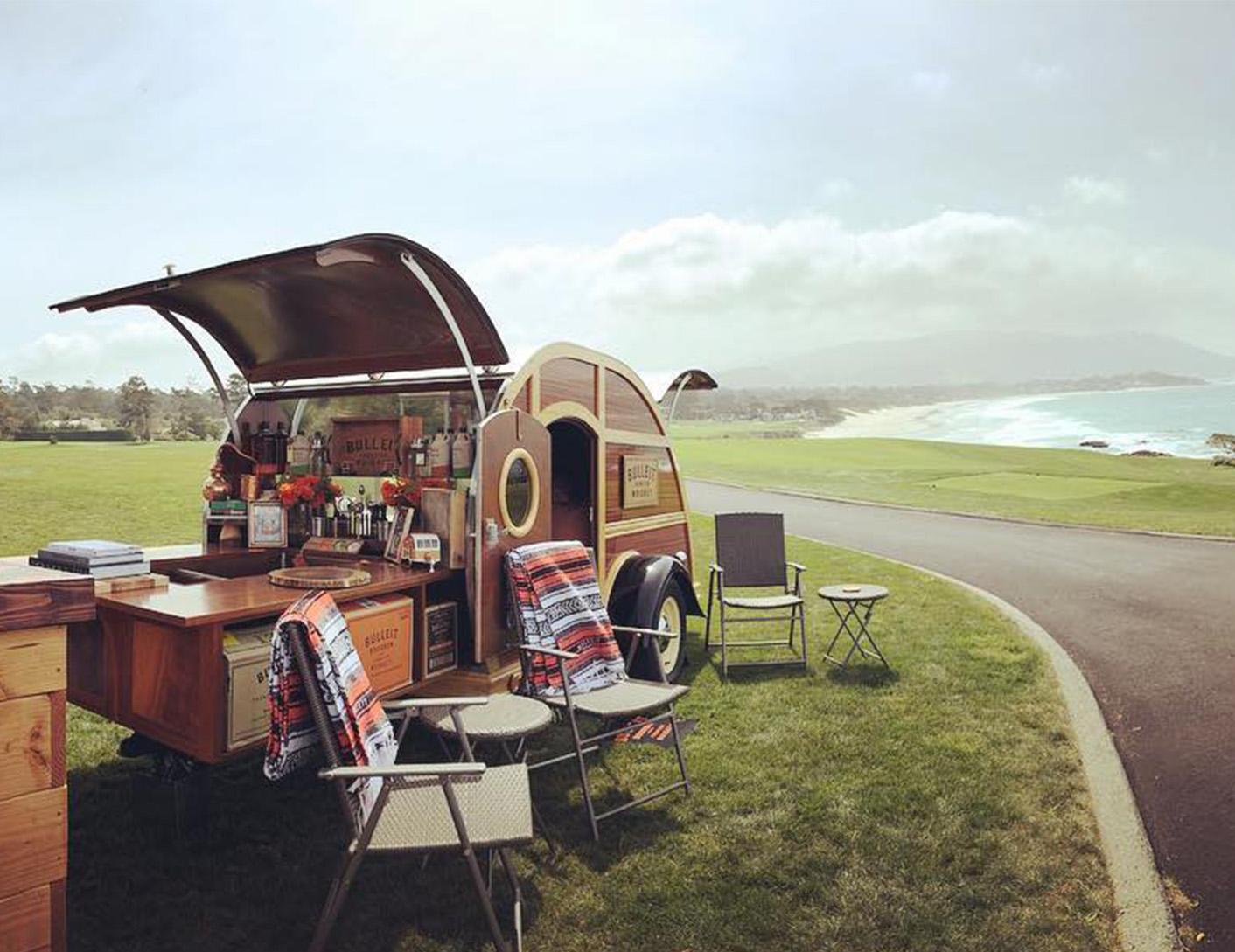
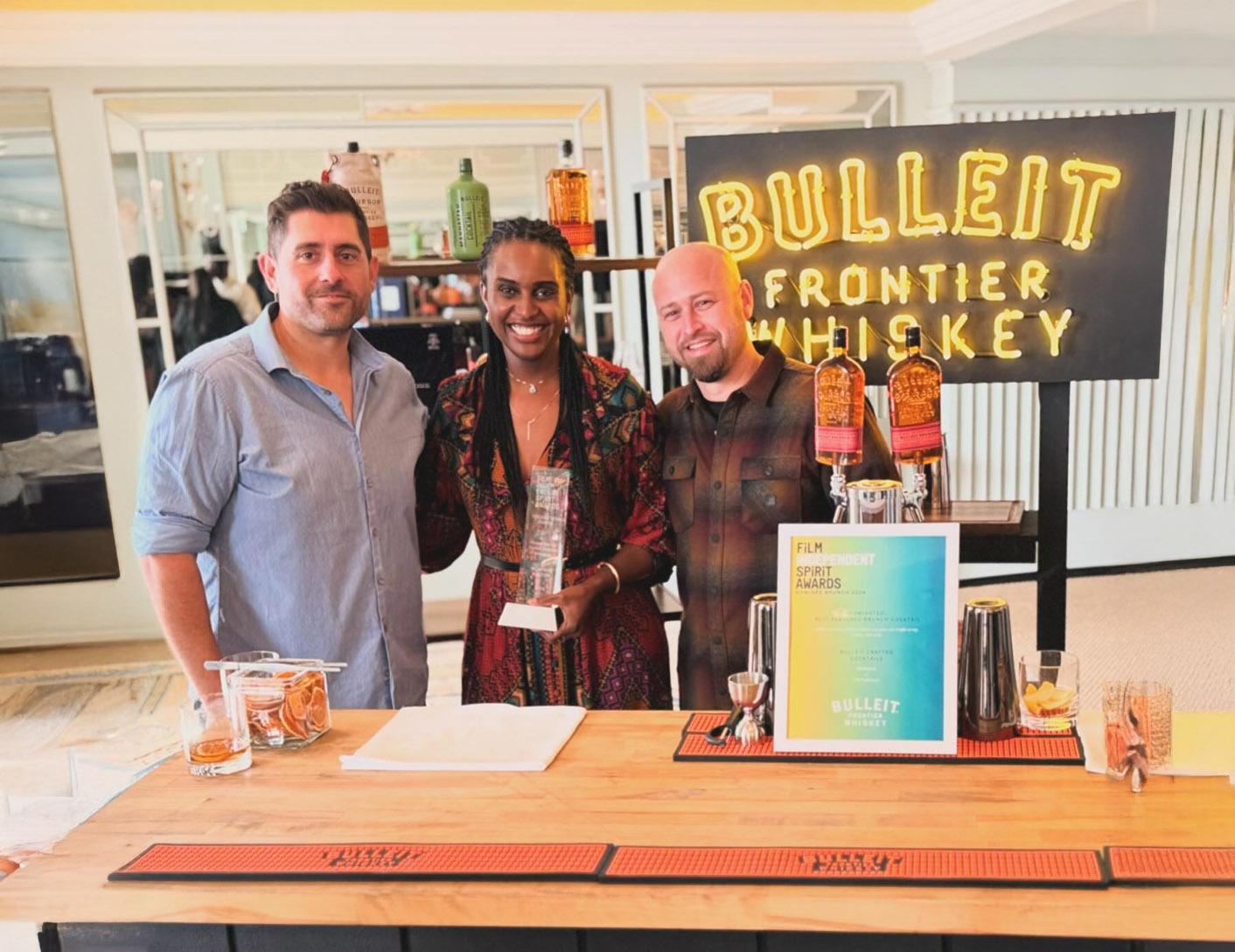
It's a wide range of things. There's experiential marketing which is focused on tentpole events such as festivals like Outside Lands and BottleRock, as well as hosting VIP tasting experiences at events like the Film Independent Spirit Awards and the Grammy’s. More frequently, the work is spent going to bars and restaurants trying to find new ways to implement education on whiskey and highlighting Bulleit. It’s key to try not to overbrand these experiences – I've never been a big fan of just throwing branding all over everything, I'm a huge fan of subtlety with impact. I try to find something that relates to a new bartender, as well as a veteran bartender. I make sure it’s appealing to everyone in the space.
There is also the educational component where we find spaces that allow us to release and educate on new whiskies This includes consumer events, cocktail classes, and food and wine festivals. We also try to understand account needs, so if they’re struggling with hospitality, I'll facilitate hospitality training. While I absolutely understand focusing on trendsetting cities like San Francisco, LA, or New York, having come from Sacramento, I have always tried to find ways to partner with smaller cities to help them thrive.
We’ve also worked with UnitedMasters, a self-sustained studio that allows the artists to keep their rights and provides them with the same resources they would get from a traditional studio. I think that Bulleit has been very good about finding ways to help people while also getting creative in our partnerships. While we’re a big brand, we don't forget where we came from and that bartenders are the ones that built the Bulleit brand. Our Straight Rye variant, for instance, was made as a result of conversations with bartenders in San Francisco. Being bigger truly just gives us the opportunity to expand how we can further make an impact.
When you're drinking Bulleit, what is your go-to pour?
My go-to pour right now is the Bulleit Bottled in Bond Distilling Season Spring 2017. It is just phenomenal.
What are your favorite cocktails to make with Bulleit?
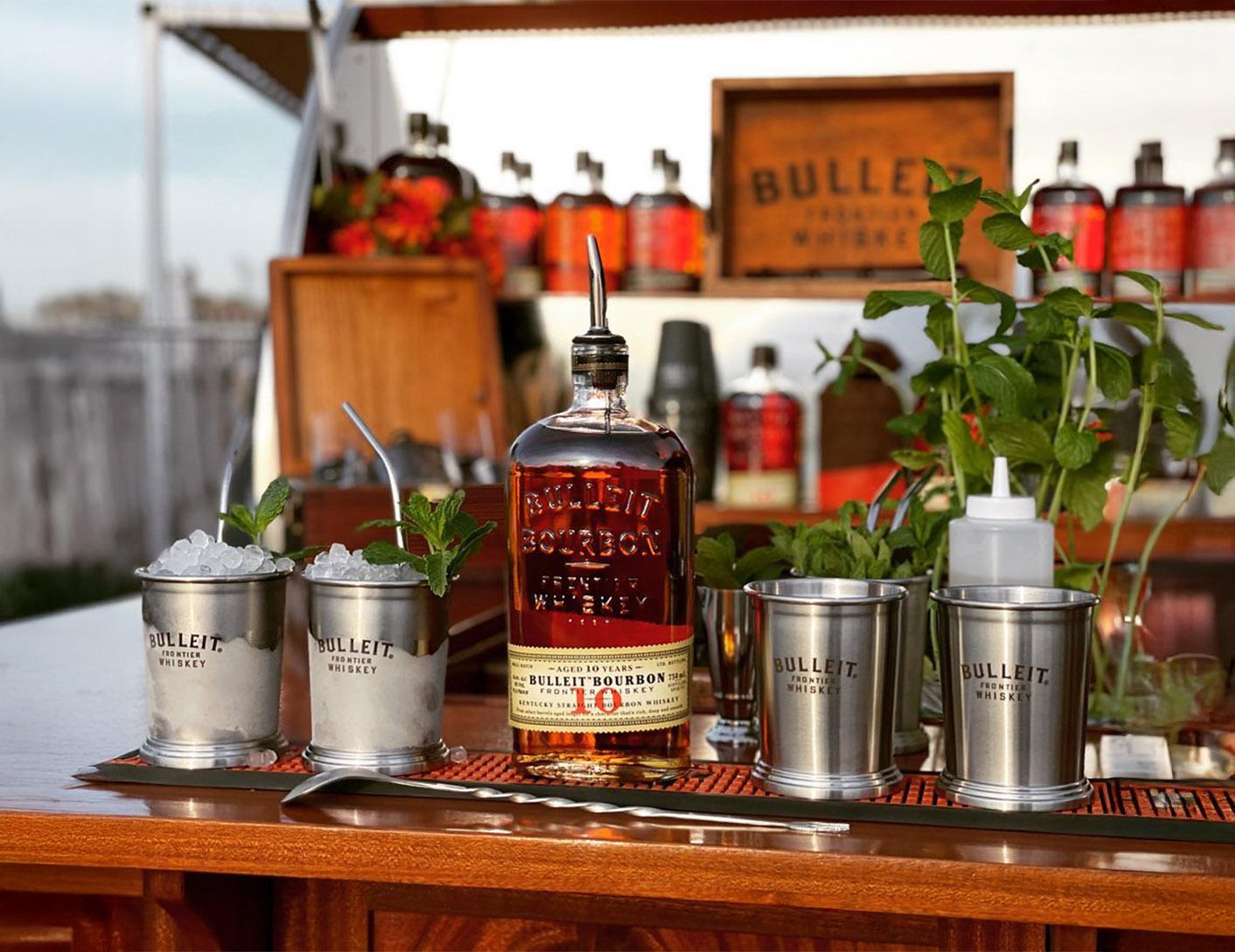
I'm a sucker for taking classics and swapping them with a different spirit. My favorite cocktail is a Last Word, where I take out the gin and throw in either rye or bourbon. I love it. Then, of course you can't beat a good Old Fashioned. I love all the variations of it, especially the Cold Fashioned, it's just kind of a go-to classic. A White Linen, which is a Sacramento favorite, is another cocktail that I love making with whiskey not gin as well because it's light, crispy, and something with layers. And lastly, I fell in love with the Revolver. To me it is like an Old Fashioned and Manhattan had a baby. It was also one of the things that led me to my friendship with Jon Santer.
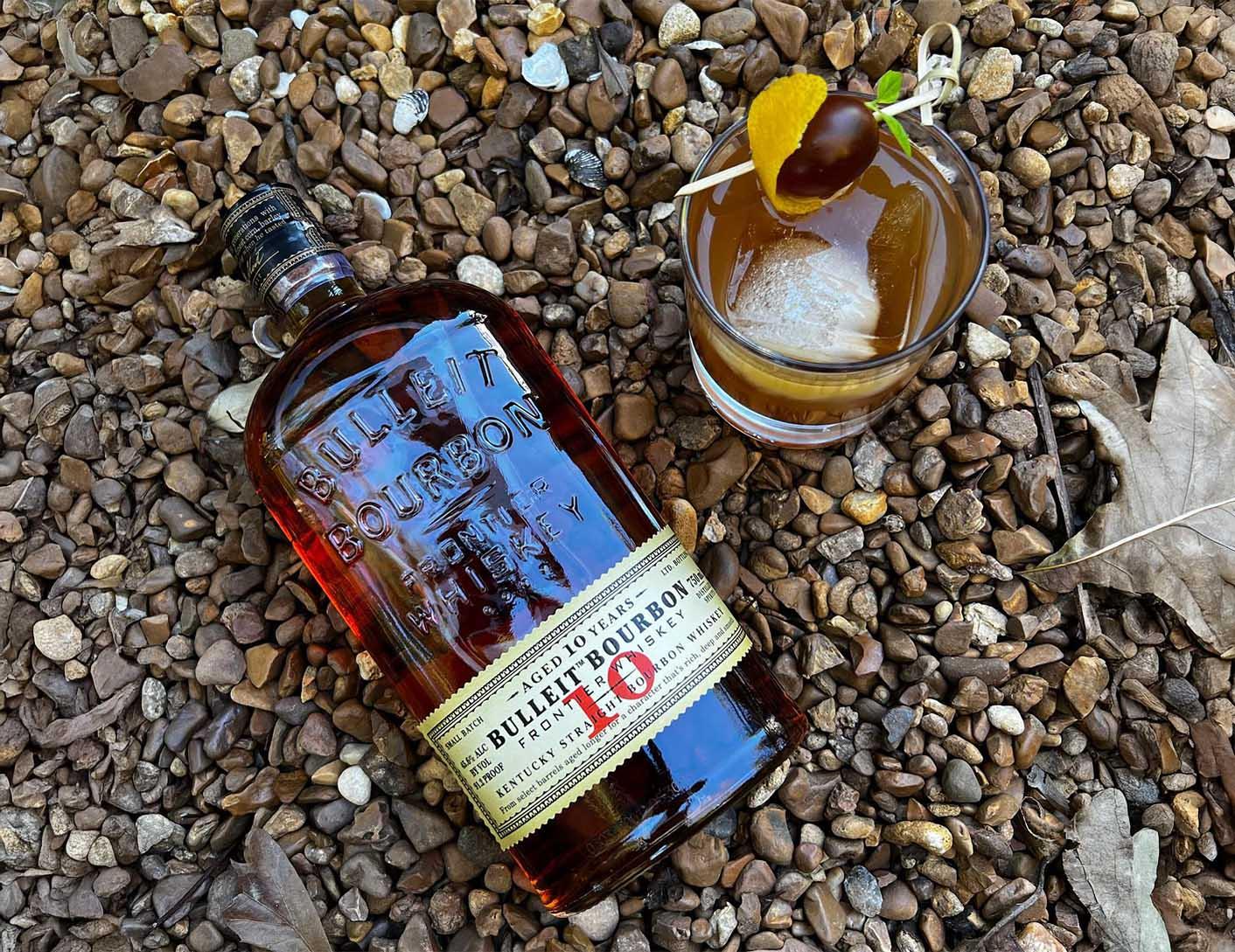
Bulleit Cold Fashioned
Ingredients
· 1¼ oz. Bulleit Bourbon 10 Year Old
· ½ oz. Vanilla Bean Simple Syrup
· ¼ oz. Espresso Liqueur
· 2 Dashes of Chocolate Bitters
Instructions
· Stir all ingredients in a mixing glass. Strain over a large cube into highball glass. Garnish with 3 chocolate covered espresso beans.
Bulleit Revolver
Ingredients
· 1½ oz. Bulleit Bourbon
· ¼ oz. rum-based Coffee Liqueur
· 2 dashes orange bitters
Instructions
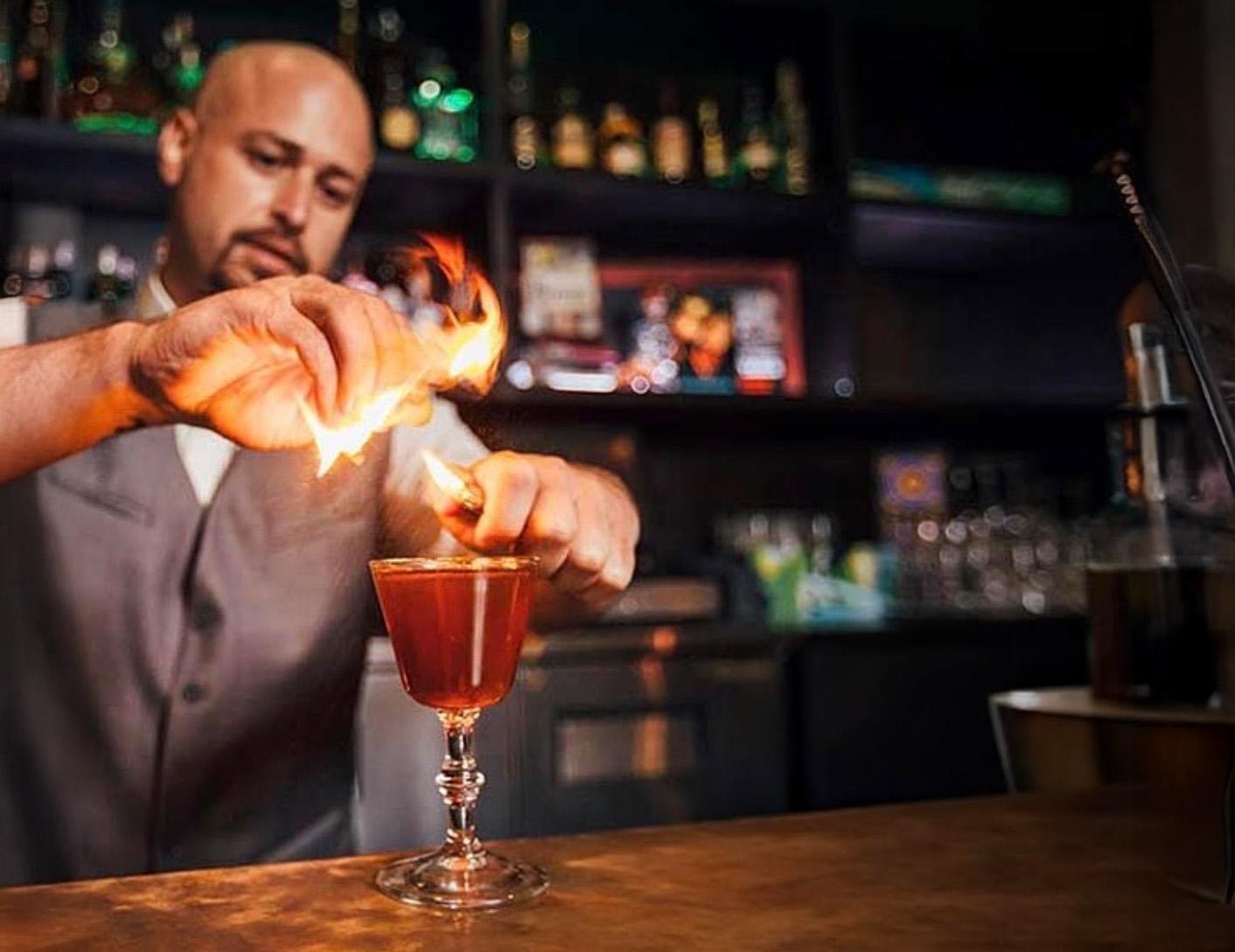
· Stir All Ingredients in mixing glass over ice and strain into chilled cocktail coupe
· Garnish with expressed Flamed Orange peel
What are your favorite cities to get cocktails in?
I love the Comstock Saloon in San Francisco. It's all about the atmosphere, the people that come in and the folks that work there are amazing. The Holiday Cocktail Lounge in New York was always great, one of my very first cocktail experiences when I visited New York. It's unfortunately not still there, the NoMad Bar in New York – It was phenomenal, they had a 20-minute magic show on the roof that was awesome.
If I’m ever in New Orleans, I always try to stop by Absinthe House, which was developed early on by attending TOTC, so it's nostalgic for me. While I love Portland, the city of Bend for some reason is just refreshing to have a cocktail in. It's outdoorsy, kind of like Boulder in Colorado. It just feels like you're on vacation; just being there. It has a great vibe with a ton of great cocktail spots.
What are your favorite aspects of working in the industry?
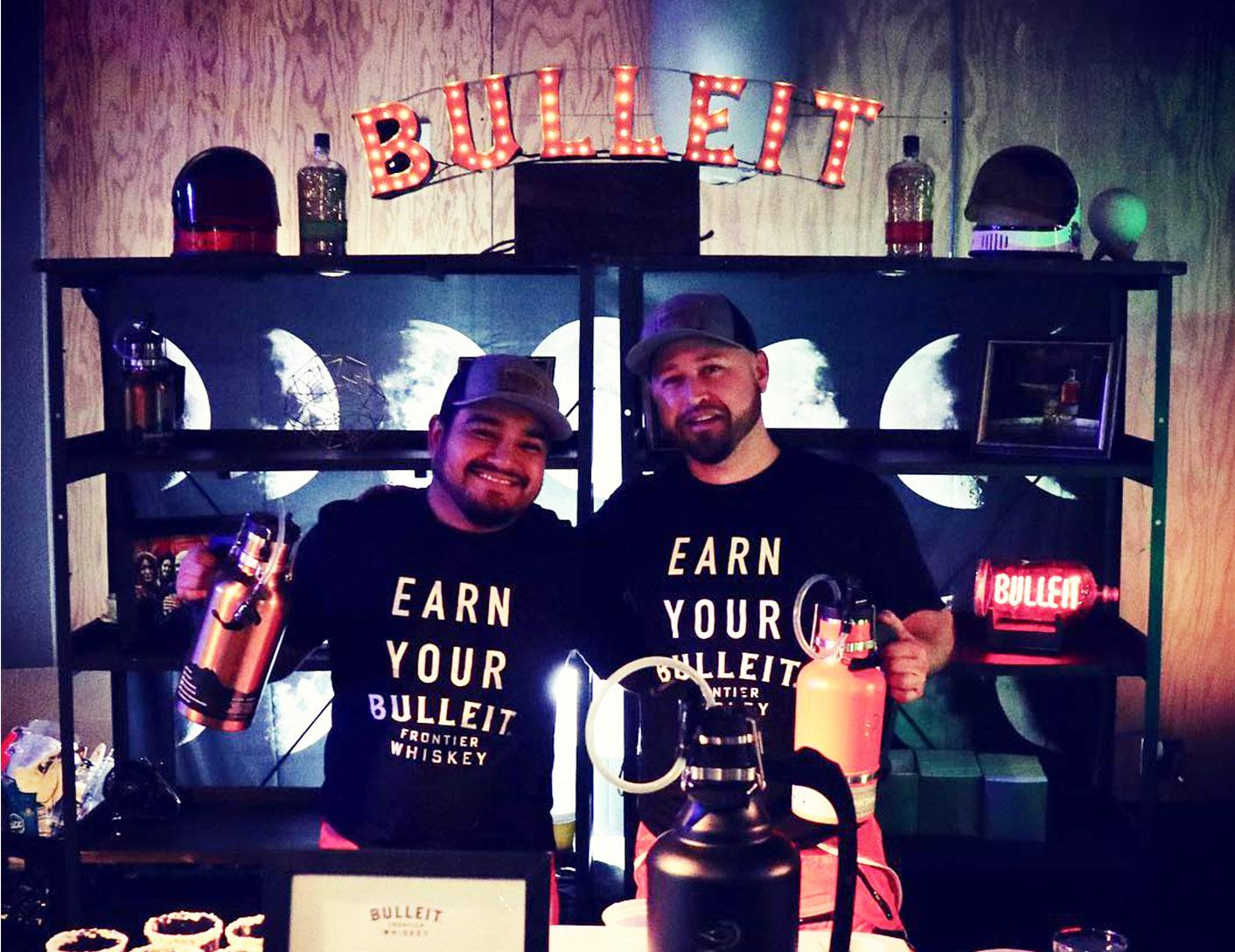
The people. I feel like the bartender has come full circle. They're not just behind the bar. They're that person again. Where they are there to talk to the guest, beyond just service. They're there to have ideas and share their knowledge. Creative and curious. They're coming into their own while also having side hustles or even starting their own business. It is so fun to watch and be a part of some of these journeys.
And the positive outlook on the industry and what it is doing to cocktails and bars. I love the creativity behind them.
Are there any routines or rituals that you value within your work?
Yes, over-preparation. With bartenders, agencies, suppliers and distributors, everyone is always on the go. In the beginning, I felt like I always did everything I could to prepare. I try to make sure that I have everything I need and I am mentally prepared for when I show up, so that way I can execute to the best of my ability. I want to think of it before the guest does. Just like a great bartender does. True hospitality takes willingness and preparation, so that they can truly appreciate it. I don't take anything personal. This benefits me, because I'm not bitter, upset or jaded. I try to constantly remind myself of those things. The people that we interact with daily are bringing with them anything they may be going through, and while that might impact how they interact with me, that doesn’t need to change how I impact myself or reflect on the result of the work.
Are there any trends in the spirits industry right now that you find interesting or fascinating?
I think there's a lot of stuff being recycled right now, which I love, because you always find new things pop up – like people are barrel-aging cocktails again. Some of the classics are coming back. Whether it's Whiskey Sours or celebrating the simplicity exhibited in the classics. I think there's a new generation of drinkers coming in, as they are discovering these things for the first time, they’re being enjoyed once again. There is a lot of inventiveness in new techniques to simplify cocktail making while still preserving a certain level of quality and sophistication.
I know spritzes and agave in general are insanely big right now. I even designed my own cocktails based on what's trending. I've been making a lot of agave/spritz style cocktails that are great. Lastly, I have seen a lot of elevated ways of freezing things within the cocktails. It’s been so fun to see a lot of creative ice play – I love that ice is at the forefront of a lot of experiences right now.
If someone's starting to explore the space, what are some of your favorite reads?
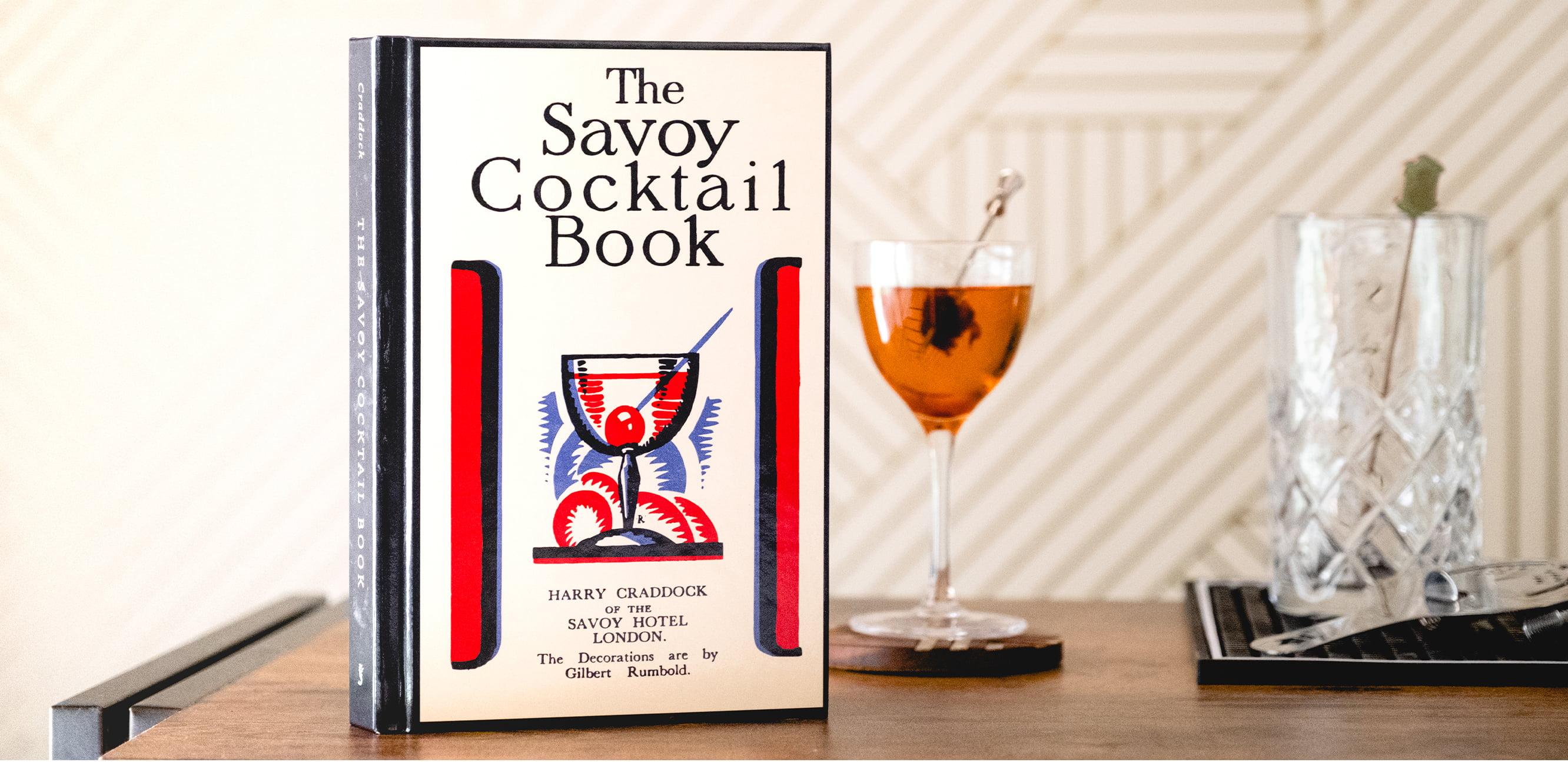
One from back in the day, The Bar Book by Jeffrey Morgenthaler was always essential. In the beginning, that was one book that gave you direction and insight into the bar tools, told you how much juice you can squeeze out of a lemon, a lime, an orange and really got into the details. Jim Meehan's Bartender Manual is another must-have. He also released The Bartender's Pantry not too long ago, which is a good one as well. David Wondrich has a new graphic novel “The comic book History of the Cocktail", which shows just how much research he did – he seemingly didn’t leave any detail out. From the people to the cultural impact, to key eras of the bar. It’s like he included everybody that made a difference and was known in their time. Also check out Imbibe! from Wondrich and the Ice Book by Camper English.
If you’re building your library around spirits and cocktail books, be sure to look at anything from Death & Co. I also love Dave Arnold’s Liquid Intelligence. That one is perfect if you’re like me and want to dive down that rabbit hole to learn about using a salad spinner with cheesecloth as a centrifuge, and other similar things like that.
In Closing
To discover the latest from what Kyle and the rest of the Bulleit team are working on, visit Bulleit Frontier Whiskey or follow along on Instagram.