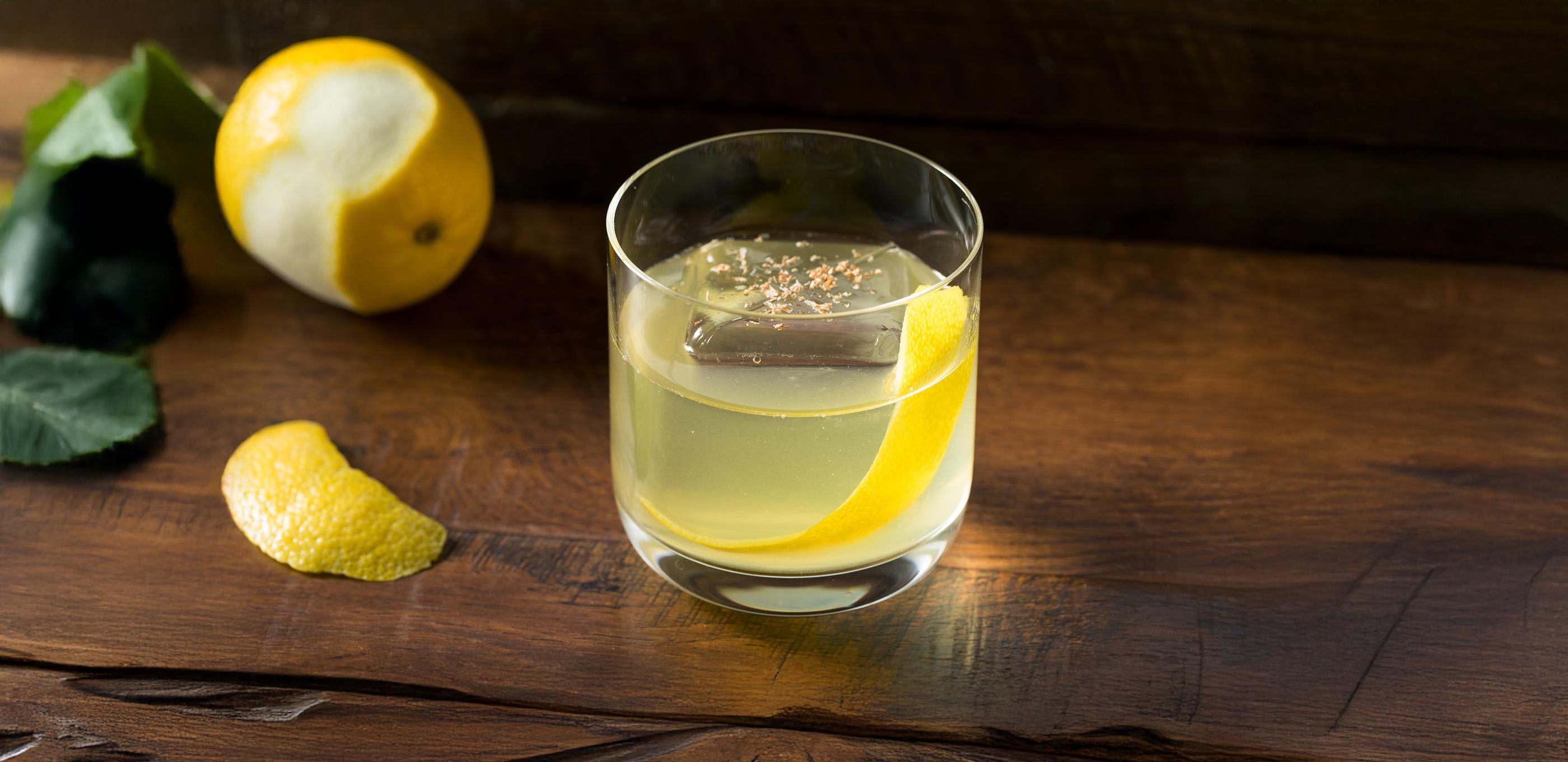
Clarified milk punches, or clarified cocktails, date back until at least the 18th century, and its lore includes a recipe from Founding Father Benjamin Franklin, but it’s nearly impossible to find their ultimate origin or explain why they suddenly started popping up on bar menus in the early 2000s, hitting a peak about the mid-teens.
What Exactly is a Clarified Cocktail?
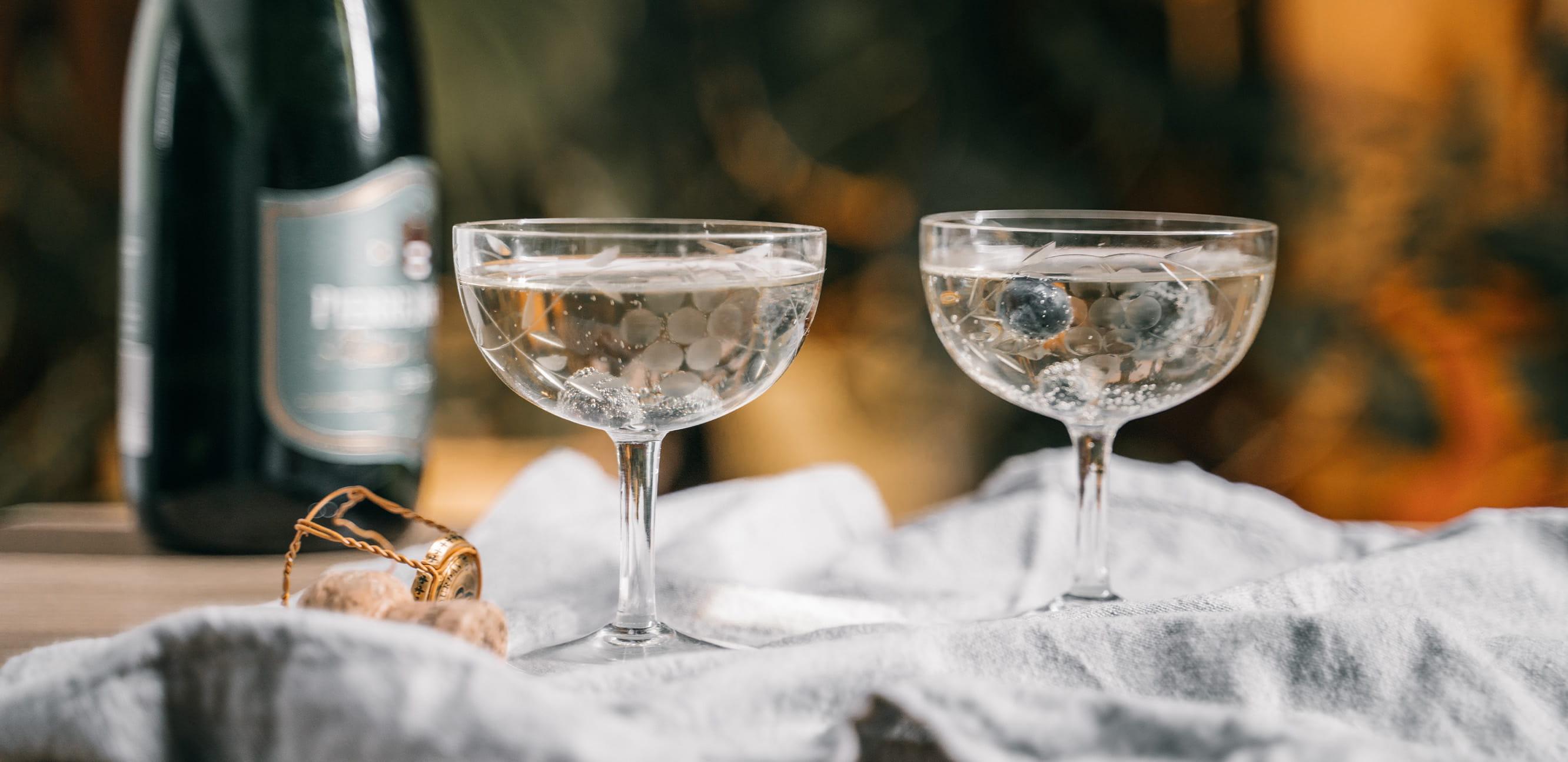
If you’ve never seen or consumed a milk punch, the first thing to note is that they are not milky, cloudy or creamy at all. In fact, the “clarified cocktail” verbiage is a much more accurate description of the finished product. The process summarized below strips the cocktail of particulate matter and proteins, leaving a clear, translucent beverage with a hint of color, depending on the original build.
The obvious question is why. Why take a popular cocktail and clarify it? Wasn’t it already balanced and what it was designed to be? First a caveat: All cocktails aren’t meant to be clarified, and some simply shouldn’t be, only because the original version – think gimlet or daiquiri – aren’t improved by the stripping process. With the zippier, shaken, fruitier cocktails, the mouthfeel and flavor are dependent on the acid and bitterness, and clarification rounds those edges. To make it clearer (sorry), let’s look at the process to see what it’s trying to achieve.
There are four ways to produce a clarified cocktail – gel, freeze and thaw, centrifuge, and milk punch – and here we’ll only be looking at the latter since it’s the easiest for home bartenders. (It’s also worth noting that video tutorials abound online, so it’s relatively easy to find a step-by-step process for beginners.) The milk punch process gets its name from the addition of whole milk to a batched cocktail, so you’ll need to build a batch first. It can be done at the one-drink level, but it’s likely more work than it’s worth at that scale.
Also, once a beverage is clarified, it’s shelf stable for weeks or months with very little degradation in flavor or mouthfeel, so once you find one you like, you can just make a big batch, seal it in a container, and leave it on the back bar or in the refrigerator. We’ve actually tried a batch that was nearly two years old, and while there was some degradation at that span, it was still delicious.
How to Make a Clarified Cocktail
For the process, we talked to Brett Herrin, a bartender and clarification nerd, at James Beard Award finalist and multiple-time nominee Chef Jeff Chanchaleune’s Lao cocktail bar in Oklahoma City, Bar Sen.
“After you build the batched cocktail, add the milk,” Herrin said. “I’ve used yogurt and milk powder, but milk will be the easiest for a beginner. Set it aside for at least an hour. You’ll know it’s ready to filter when there is a clear, heavy line of demarcation between the clear cocktail on the bottom and the curds on top.”
The best ratio of milk to cocktail is one part milk to four or five parts cocktail. The next bit is a little counterintuitive, but it’s very important, as Herrin explains. “The curds are the filter for the cocktail,” he said. “You’ll filter it again using a coffee filter, cheesecloth, or my favorite, a shortening filter cone, or you can use a paper towel in a pinch. The paper filter simply keeps the solids out, because the curds have already clarified the drink.”
Once the slow process of paper filtering is done, you have a clarified cocktail that should retain a hint of color and the primary flavor characteristics of the original but without the bitterness, boozy heat, or ragged edges of disparate ingredients that haven’t fully melded. Food science refers to this process as capturing the phenolic compounds – basically aromatic compounds that can be too vegetal or astringent.
Some Quick Tips Before You Get Started
Herrin goes on to say that if you want a boozier, punchier drink, substitute high proof spirits to increase the kick. He also noted that the process adds a touch of sweetness, so consider modifying the cocktail recipe with a slight increase in acid or reduction in simple syrup to avoid excess sweetness.
Many bartenders use tea in clarified cocktails because the clarifying process strips the astringent and tannic notes (the phenolic compounds) from the tea, thus bolstering the flavor profile with the components of the tea itself: bergamot, jasmine, orange peel, etc.
Time to Give it a Try at Home
For a simple example of the process, we’re including a recipe from Hannah Barstow, a co-worker of Herrin at both Bar Sen and Barkeep. The recipes scale proportionately, so you can just multiply it by the number of drinks in your batch.
The Snowy Egret
1 oz. Jasmine tea infused dry gin
½ oz. Italicus Bergamot Liqueur
¼ oz. Peach liqueur
¾ oz. Fresh lemon juice
½ oz. Jasmine tea syrup
3 Drops of orange flower water
1 oz. Milk
To batch this cocktail, multiply the ingredient counts by 12, following the instructions above to guide your clarifying process.
Want to really start developing your clarifying skills once you’ve perfected the Snowy Egret? Try your skills at the Facundo Rum Clarified Milk Punch.
In Closing
Building skills like this at home are all about stretching yourself and having fun. The outcome will be some great drinks to share with friends and a few great stories to share with them about the mishaps and successes in the process.